When a new baby is on the way, grown-ups tend to focus on the registry, the due date, and the adorable tiny outfits. Older siblings often feel something else entirely: excitement mixed with uncertainty, and a big question they cannot always name out loud: Where do I fit now?
The good news is you do not need a perfect production to reassure them. You need small, consistent signals that say: You matter here, and you have a special role in this growing family. Below are ten meaningful, practical ways to include older siblings in baby showers, gender reveals, and newborn photo shoots without turning the day into a power struggle.
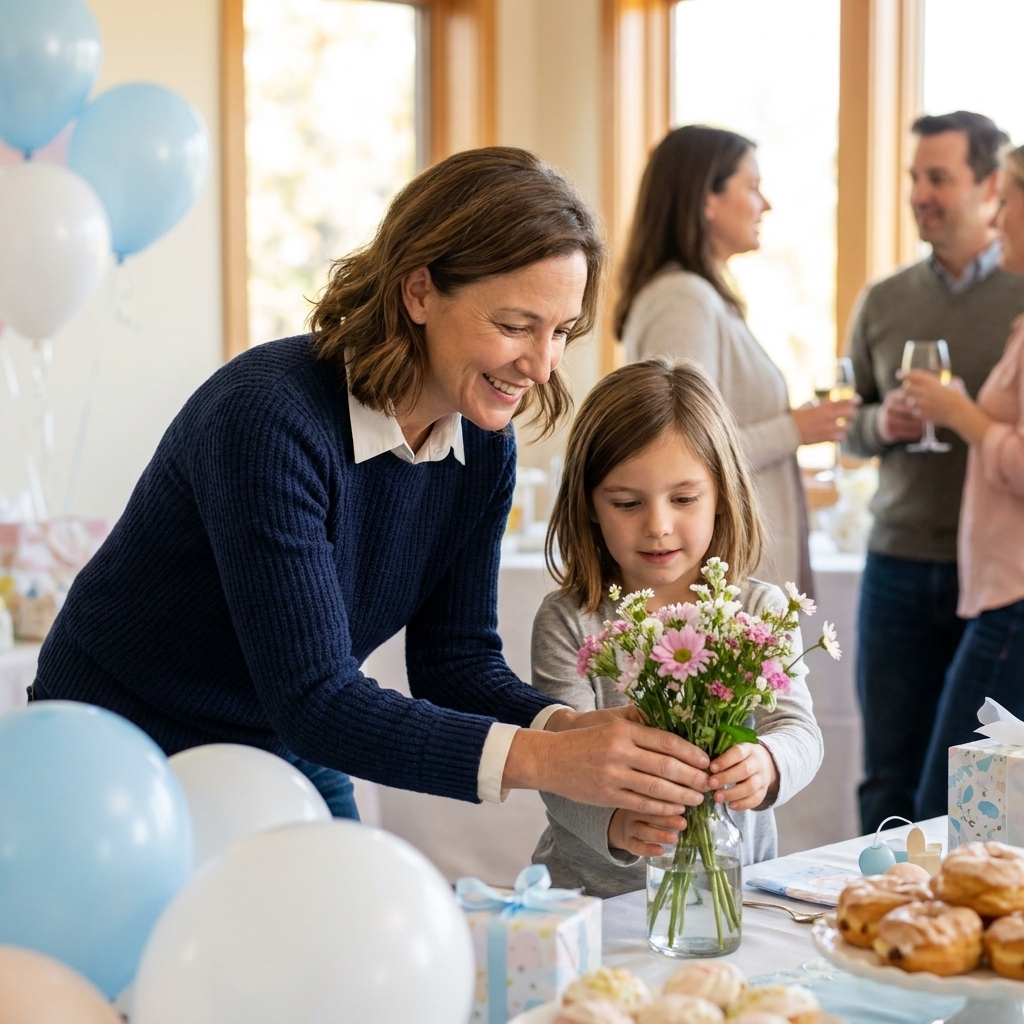
1) Give them a real job
Kids can spot a “busy work” assignment from across the room. Instead, choose one task that truly matters and make it theirs.
- At the shower: Greeter at the door with a sticker name tag roll, or “gift card collector” who places cards in a special box.
- At a gender reveal: The official “countdown leader” or the one who hands the confetti popper to the parents.
- For newborn photos: The “prop captain” who carries the swaddle blanket or selects one small accessory from two options.
Pro tip: Describe the job in one sentence and practice it once. “When Aunt Maya arrives, you will say hi and hand her a heart sticker for her name tag.”
2) Plan a big sibling moment
If you do not schedule it, their moment gets swallowed by adult activities. Build a five-minute spotlight moment where the older sibling is celebrated directly.
- A short toast: “We are celebrating Baby, and we are celebrating that Jordan is becoming a big brother.”
- A mini-crown or sash moment they can wear for photos, then put away when they are done.
- A quick “big sibling interview” with two cute questions (and two only): “What will you teach the baby?” and “What snack should baby try first?”
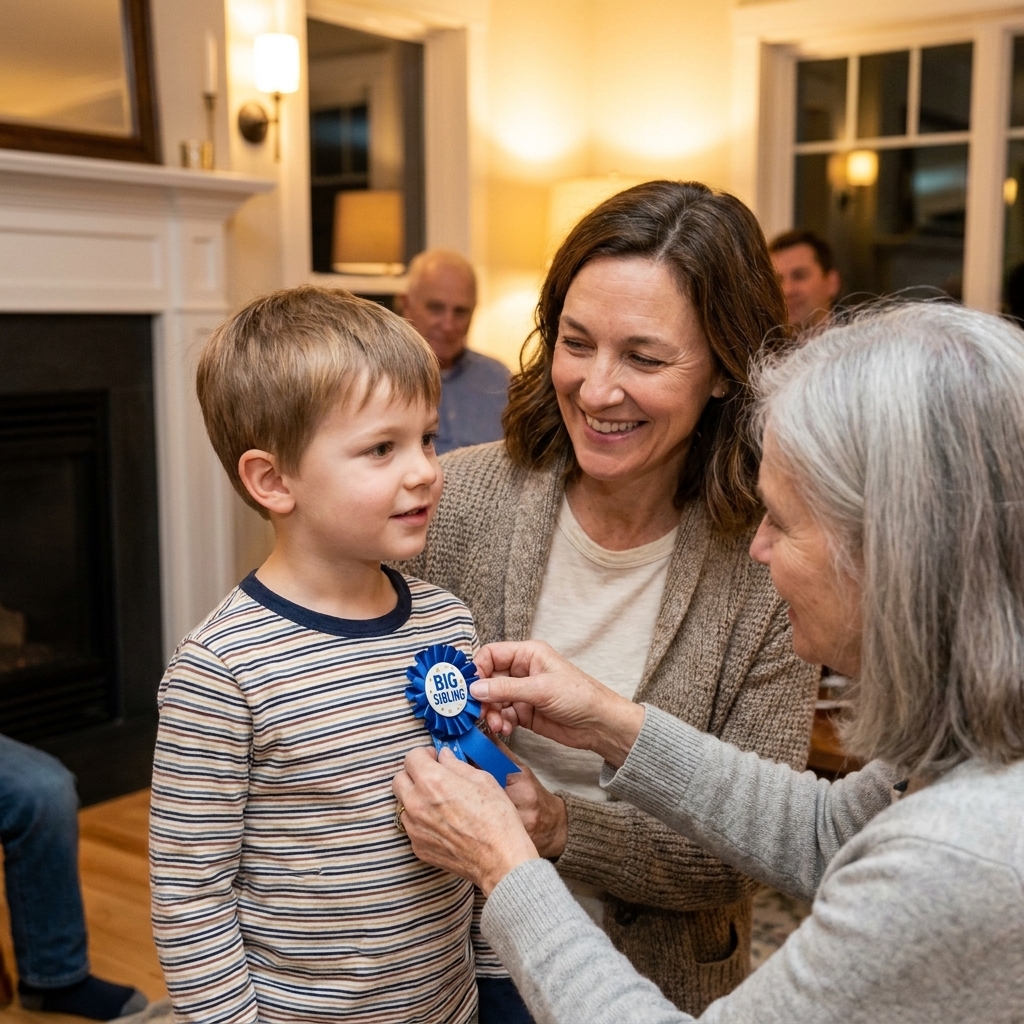
3) Let them choose one thing
Including siblings is not only about attention. It is about agency. Offer a choice that has a visible outcome.
- Pick between two drink options: “pink lemonade or sparkling apple cider?”
- Choose the shower playlist starter song.
- Select the dessert topper theme: stars or hearts.
- Decide the “welcome sign” doodle shape if you are doing a DIY board.
Keep choices limited and pre-approved. As a rule of thumb, two options is often the sweet spot for ages 3 to 8, and three options can work well for older kids.
4) Add a kid station
Most baby showers are adult-paced. A small, intentional station helps kids feel like the party was designed with them in mind.
Ideas that are calm
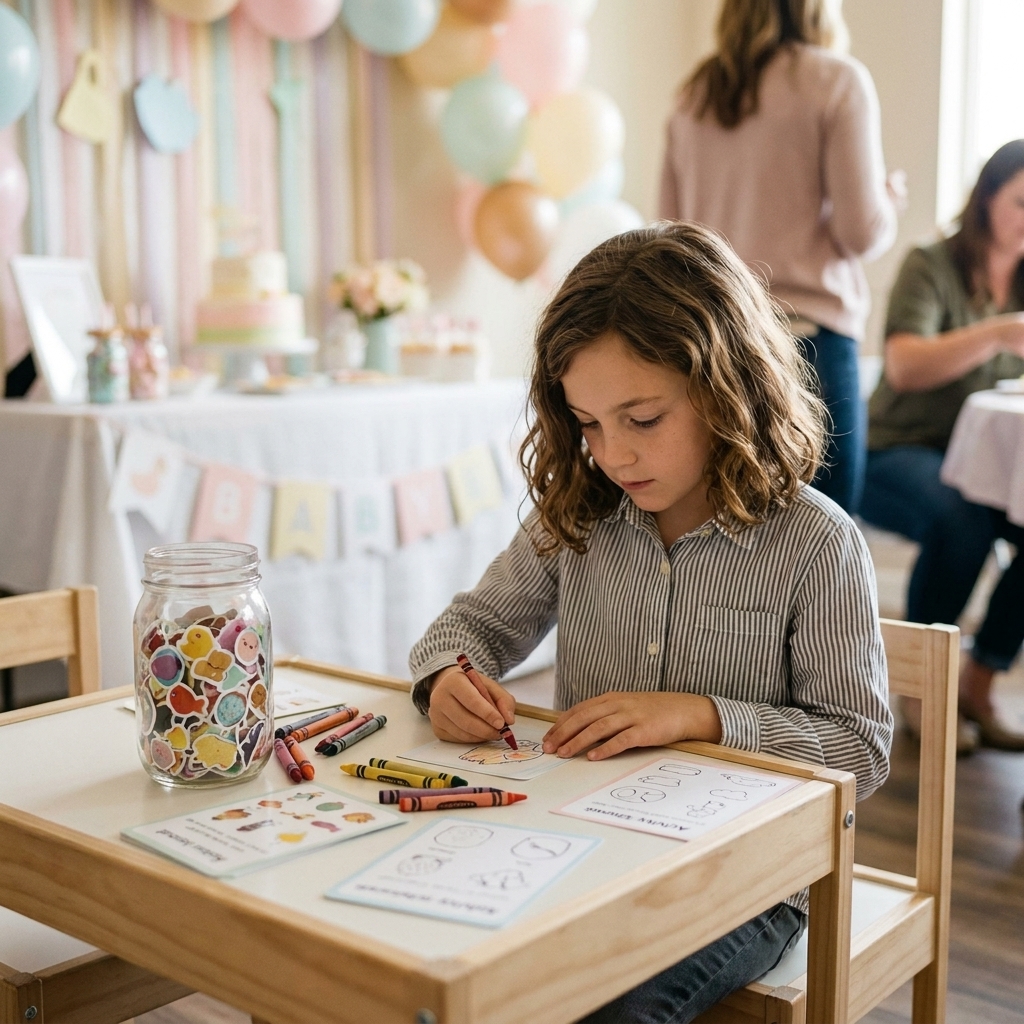
- Decorate-a-diaper: Provide a small pack of diapers and a few non-toxic markers. Assign the older sibling as the “design captain.”
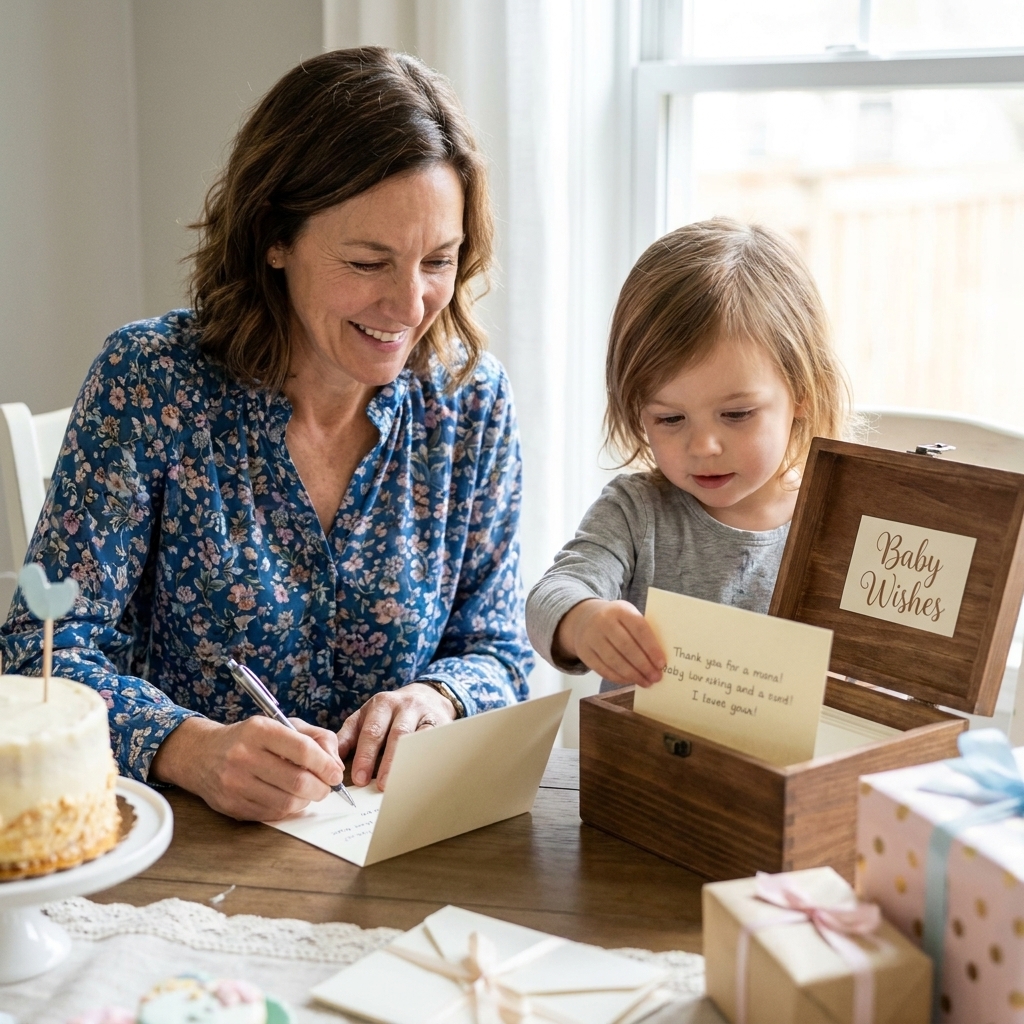
- Wishes for Baby cards: Older kids can draw; adults can write. Your older child can collect them in a keepsake box.
- Sticker bouquet bar: Paper flowers plus stickers and ribbon. Lovely for little hands and photo-friendly.
Sensory-friendly add-on: Set out a small “quiet corner kit” nearby: headphones, a simple fidget, a snack, and a one-page schedule card so they know what happens next.
5) Give a sibling gift
Yes, gifts can help. Not as a bribe, but as a symbol. Choose something that says, “We see you growing too.”
- A disposable camera or kid-friendly instant camera for “my first week with baby” photos.
- A special book they only read with a parent during feeding times.
- A small “helper kit”: hand sanitizer, band-aids, a mini flashlight, a notebook for drawing.
- A piece of jewelry or a watch for older kids, framed as a milestone.
Etiquette note: If you are the host, ask the parents first. Some families love this, others prefer the sibling gift to come privately from Mom and Dad.
6) Give them simple language
Kids often worry about “messing up” around the baby. A short script helps them feel confident and included.
“You do not have to love every minute. Your job is to be kind, curious, and safe. Our job is to help you.”
At the event, you can reinforce this with a simple line: “If you want a break, you can tell me: ‘I need a quiet minute.’” That one sentence can prevent a meltdown later.
Boundary reminder: Avoid pressuring older siblings to hug, kiss, pose, or hold the baby for an audience. Invite connection, and let it be their choice.
7) Keep photos safe and simple
Newborn photo shoots can feel like a patience test for older siblings. Plan for success by building in tiny breaks and giving them a role.
Make sibling photos easier
- Do sibling photos first while the older child is fresh and proud.
- Choose a safe setup: have the older sibling sit on the floor or on a low, stable surface with support pillows, with an adult spotter within arm’s reach at all times.
- Follow the photographer’s safety guidance: newborns should never be left unattended, especially on beds, couches, or elevated surfaces.
- Offer a job during the shoot: “Hold baby’s little hat until we need it.”
- Plan a reward that is not sugar: choosing dinner, picking the bedtime story, or a short one-on-one walk after.
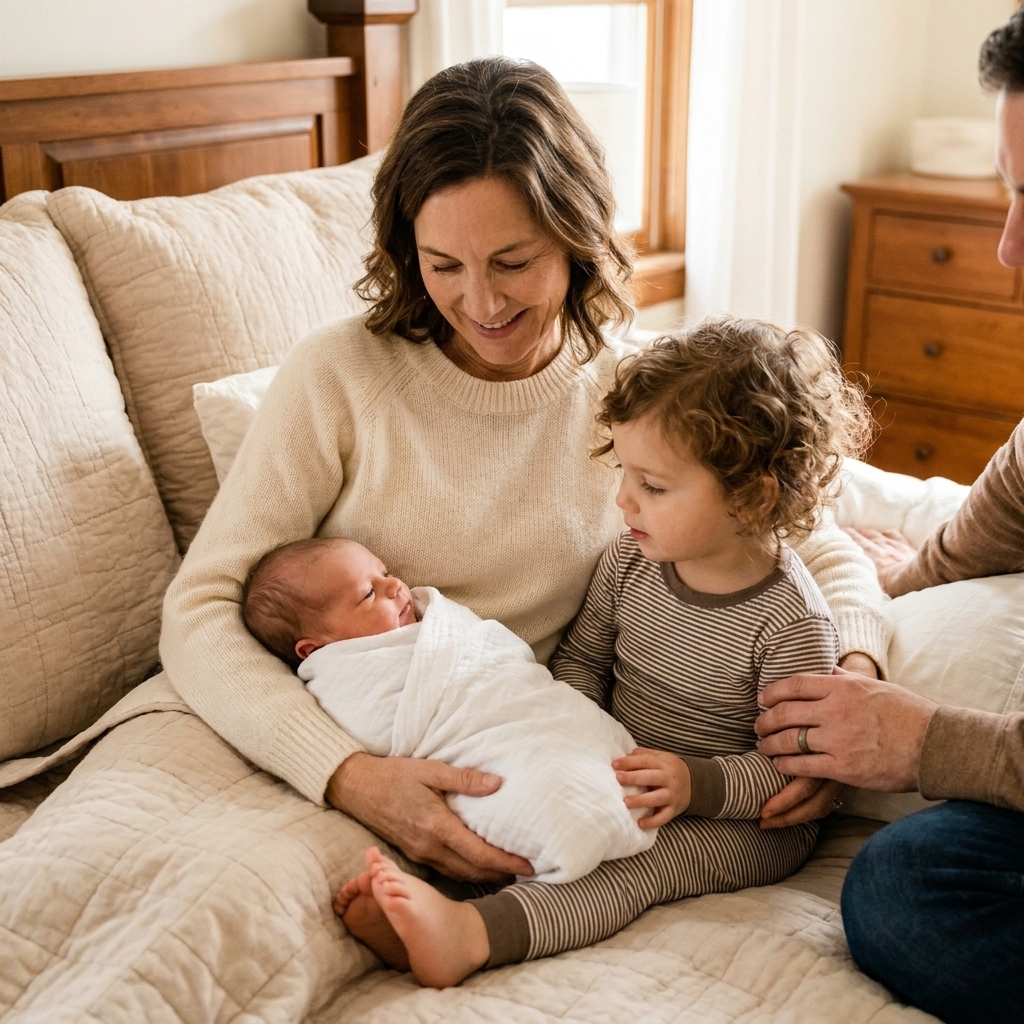
8) Include them in the welcome
Celebrations do not end when guests leave. One of the most meaningful ways to include older siblings is to give them a place in the “welcome home” story.
- Let them choose the first family meal after baby arrives (takeout counts).
- Have them help place a small bouquet or balloon near the baby’s sleeping area.
- Create a “first week” paper chain with one link per day until a special treat, like a movie night at home.
This builds continuity: the baby is not a one-day event. They are a new person the family is learning together.
9) Keep gender reveals gentle
Gender reveal moments can feel loud and fast, and big emotions can show up. If an older child is secretly hoping for a brother or sister, give them dignity either way.
Ways to soften the moment
- Skip public guessing pressure if your child is sensitive. They do not need a microphone moment.
- Offer a private preview option: tell them just before guests arrive so they have time to process.
- Use neutral language: “We are excited to meet the baby,” rather than “Now you finally get a sister!”
Connection over perfection reminder: A quiet reaction does not mean a child is ungrateful. It often means they are adjusting in real time.
10) Invite guests to include them
Sometimes the most powerful reassurance comes from other loving adults. Invite guests to speak to the older child directly, not only about the baby.
- Add a small note to invitations: “If you would like, please bring a quick note for our big sibling to open when the baby arrives.”
- Set out “Big Sibling Advice” cards for guests to fill with kind, practical messages.
- Encourage guests to greet the older child first when they arrive. A simple “I am so happy to see you” goes a long way.
Quick checklist
- Choose one meaningful job for the older sibling.
- Schedule a five-minute spotlight moment in the event timeline.
- Add one calm kid station that matches the party vibe.
- Plan for photo success with breaks, simple roles, and an adult spotter.
- Use gentle language and give space for big feelings.
FAQ
What if my older child acts out?
Assume they are overwhelmed before you assume they are being difficult. Offer a reset: a snack, a quiet room, or a “helper mission” like bringing napkins to the table. If possible, assign one trusted adult to be the sibling’s point person so the parent of honor is not managing behavior all day.
Should we do a separate sibling celebration?
You can, but it does not need to be elaborate. A special breakfast date, a trip to the library, or a picnic at the park can feel just as significant. The key is undivided attention and a clear message: this milestone belongs to them, too.
What role works for toddlers?
Keep it simple and physical: placing stickers on cups, handing out favors, or holding a small soft toy “for baby” during a photo. Toddlers love jobs with a clear start and finish.
How do I include older kids or teens?
Give them more autonomy and a behind-the-scenes role: run the playlist, take candid photos, help set up a game station, manage the gift list, or be the “snack restock” lead. Older kids often want respect more than spotlight, and a real responsibility delivers that.
How do I include step-siblings or half-siblings?
Name their role clearly and warmly, and avoid ranking language. Instead of “real brother” or “just a step,” use “our family” language. If family dynamics are tender, keep roles separate and parallel so no one feels replaced: two helpers, two corsages, two special moments.
Growing a family is tender work. When you include older siblings on purpose, you are not just planning a nicer party. You are building trust, one small moment at a time. And truly, that is what a celebration is for.