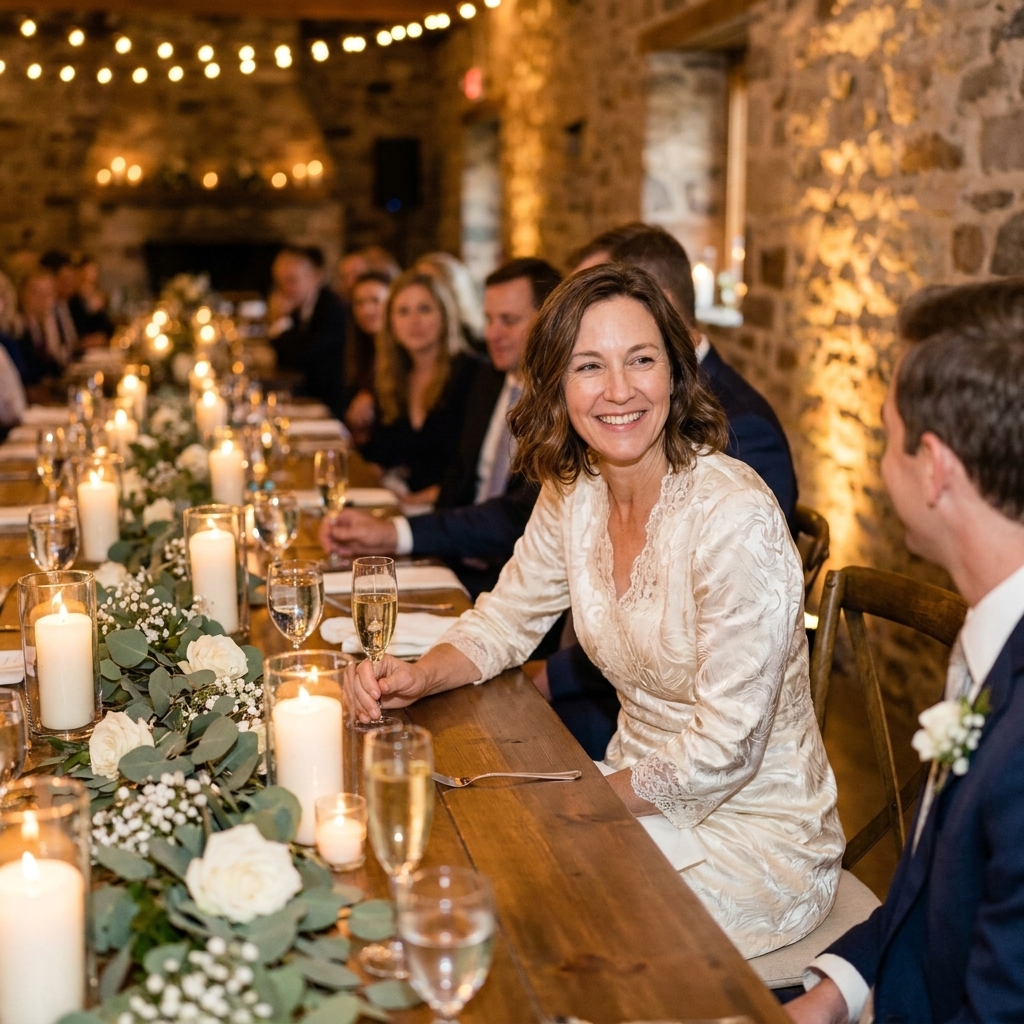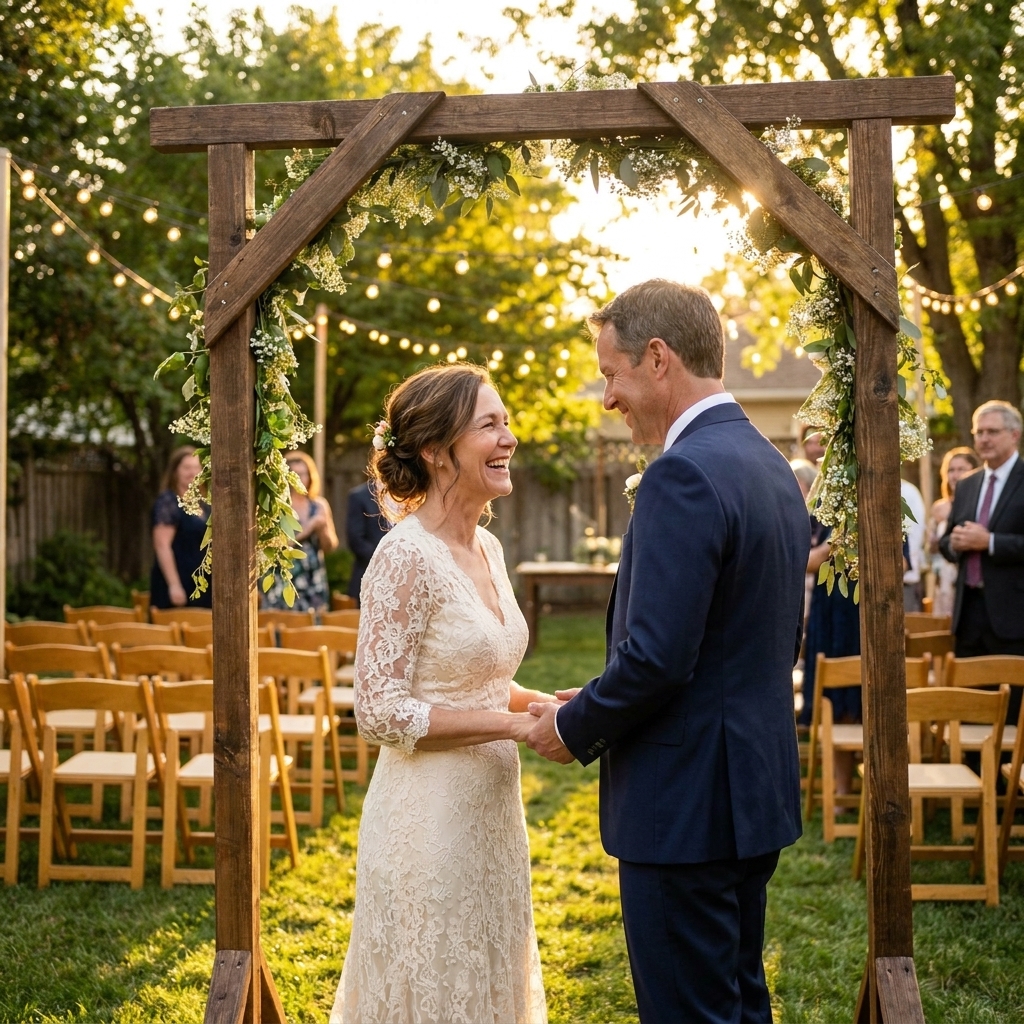
Venue tours are a little like first dates. Everything is polished, the lighting is flattering, and it is easy to fall in love before you have asked the important questions.
As a former boutique planner, I can tell you this with my whole heart: a venue is not “the one” because the ceremony spot makes you tear up. It is “the one” when the contract matches your budget, your priorities, and the way you actually want to celebrate.
Bring this list on your tour, take notes, and do not be shy about asking for specifics. Connection is always more important than perfection, and clarity is what protects your peace.
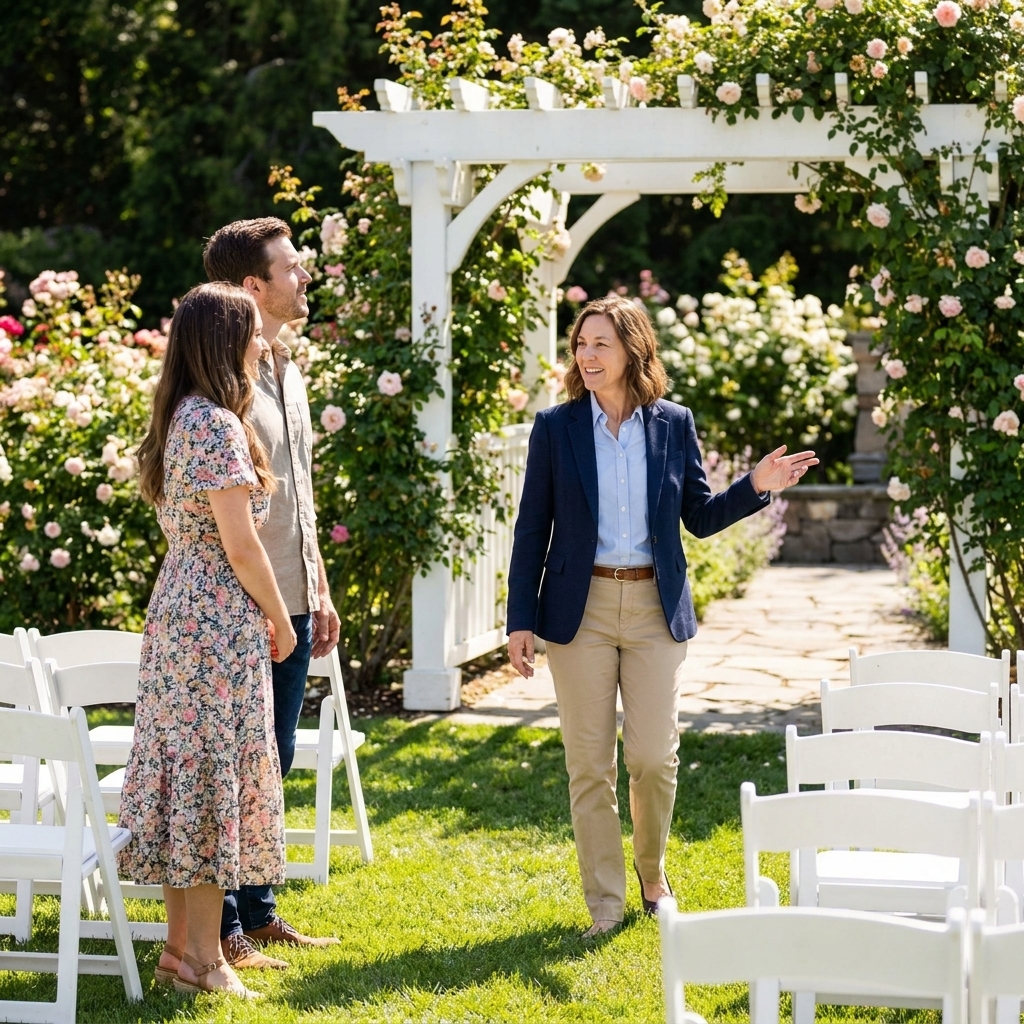
Before you tour: a quick prep checklist
These steps will make the tour questions below much easier to answer clearly.
- Bring your “must-haves” list: guest count range, ideal date or season, ceremony and reception style, and your top three priorities (food, dancing, view, convenience, etc.).
- Ask for a sample contract ahead of time, if possible. You will spot restrictions faster when you have the language in front of you.
- Take photos and short videos of key spaces, including bathrooms, parking, and any rain plan areas.
- Confirm who should attend the tour: if a parent is contributing significantly or a planner is already hired, consider bringing them along so you do not play telephone later.
The 10 questions to ask on your wedding venue tour
Each question below is designed to reveal the common hidden fees and vendor restrictions that can turn a “reasonable” venue into a budget buster.
1) What is included in the site fee, line by line?
Ask the coordinator to list exactly what the base price covers. Then ask what is not included.
- Which spaces are included (ceremony site, cocktail area, reception room, getting-ready suite)?
- How many hours are included for your event, plus setup and breakdown?
- Tables, chairs, linens, glassware, flatware, heaters, umbrellas, staging, dance floor, signage easels, etc.
- Staffing: venue manager, security, attendants, coat check, restroom attendant.
Elise tip: Even if you assume rentals are separate, ask what the venue provides versus what you must rent. If something matters to you, ask to see it. “Included” can mean “available” rather than “provided.”
2) What additional fees should we expect beyond the quoted price?
This is your hidden-fee spotlight. Ask for a written list of common add-ons couples typically forget.
- Service charges or administrative fees (ask if they are percentage-based, and whether they are a gratuity or not)
- Gratuity policies (required or optional)
- Taxes
- Security or police detail requirements
- Parking or valet fees
- Coat check fees
- Cake cutting or plating fees
- Vendor meals, vendor parking, vendor load-in fees
- Generator fees for outdoor power
- Cleaning fees or trash removal fees
Follow up with: “Can you share a sample total from a wedding similar to ours?” Similar guest count, same day of week, and similar season.
3) What is the payment schedule, and is the deposit refundable?
Venues vary widely here, and the contract language matters.
- Deposit amount and due date
- Payment milestones and final payment deadline
- Accepted payment methods and any credit card fees
- Refund and cancellation policy, including force majeure language (events outside either party’s control)
- Date change policy and rescheduling fees
Watch for: contract terms that may allow the venue to keep payments even if the date is rebooked. How this is handled can depend on local law and the specific contract language, so ask for clarity in writing.
4) What are your vendor rules and restrictions?
This is where many couples get surprised. Vendor flexibility can save you money and help you build the day that feels like you.
- Do you have an exclusive list for catering, bar, DJ, florist, rentals, or planner?
- If we use an outside vendor, is there a buyout fee?
- Are there insurance requirements (COI limits, additional insured wording)?
- Do vendors need permits, food handling certifications, or specific licenses?
- Are there restrictions on candles, sparklers, open flame, confetti, rice, bubbles, or biodegradable petals?
Elise tip: If you already have a dream photographer or caterer, ask directly: “Have they worked here before, and if not, what would they need to do to be approved?”

5) What is the alcohol policy, and how is the bar managed?
Bar rules impact both cost and guest experience. Get clarity early.
- In-house bar only, or can you bring your own alcohol?
- If BYOB is allowed, are there corkage fees or staffing requirements?
- Required bar packages, minimums, and upgrade costs
- Last call timing and any rules about shots or specialty cocktails
- Can we bring a signature drink, local beer, or family-made wine?
- Liquor liability insurance requirements
Ask: “What happens if we do not meet the food and beverage minimum?” Often you pay the difference, but sometimes there are limited ways to apply it.
6) What are the exact timing rules for the day?
This is the question that protects your timeline, your dance floor, and your sanity.
- What time can vendors arrive for load-in?
- What time can you access getting-ready spaces?
- What is the hard end time for music and for guests to depart?
- Is breakdown included in our contracted hours, or is it separate?
- Is there a noise ordinance, decibel limit, or any restrictions on subwoofers?
- Are there overtime fees? How are they billed (per 15 minutes, per hour)?
Elise tip: A venue that ends at 10:00 pm can mean music off at 9:30 pm so guests can clear out, but it varies. Confirm whether “end time” means music off, bar closed, breakdown complete, or guests fully out.
7) What is your rain plan, and is it included?
Even if you are getting married in the driest month, you need a real Plan B that you can live with.
- Where does the ceremony move if it rains?
- Is the backup space private, comfortable, and climate controlled?
- Is it included in the price, or is there an extra fee?
- When do you have to make the call?
- If the rain plan is outdoors under a tent, who provides it and what does it cost?
Then ask the question I love most: “Can you show us the rain plan setup in photos from a real wedding?”
8) What are the rules around decor, layout, and installations?
This is where “Pinterest dreams” meet venue reality. Neither is wrong, but you want to know the boundaries.
- Can we hang anything from walls or ceilings? If yes, what hardware is allowed?
- Are nails, staples, tape, or command strips permitted?
- Do you allow real candles? If yes, do they need hurricanes?
- Are there restrictions on floral installations, arches, or large rentals?
- Who is responsible for setup and teardown of personal decor?
- Are there storage areas for boxes, gifts, and vendor gear?
Good to know: Some venues require you to use their staff for installs or to hire an approved rigging company. That can add hundreds or thousands, depending on the build.
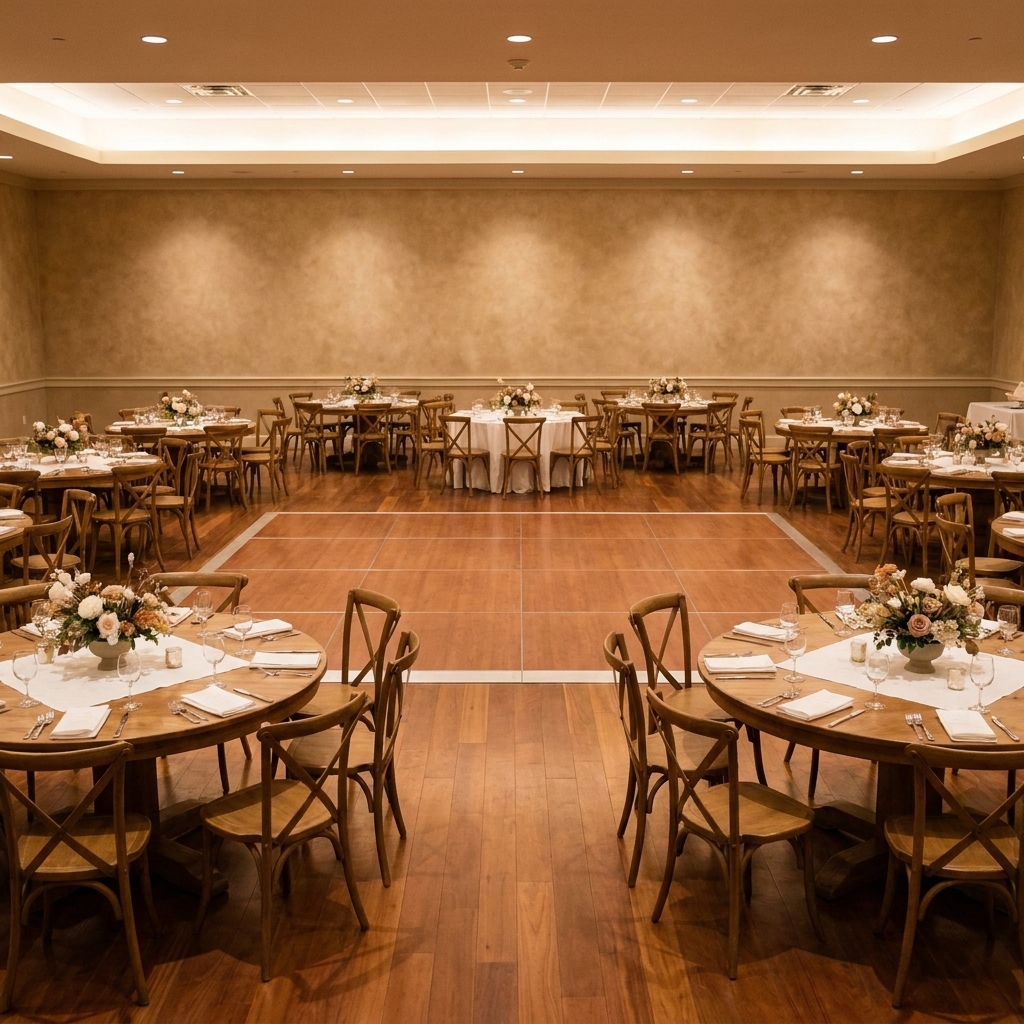
9) What staffing is required, and who is our point person on the day?
“Venue coordinator” can mean anything from a helpful onsite contact to someone who only manages the building, not your timeline.
- Will a coordinator be onsite the full event, or only during business hours?
- Do you provide security, bartenders, attendants, and cleanup staff? Are they required?
- Who manages the ceremony lineup, vendor cues, and timeline issues?
- How many staff are included at our guest count?
Elise tip: If the venue coordinator is building-focused, you may want a day-of coordinator so you are not fielding questions while trying to be fully present.
10) What are the contract deal-breakers we should understand before we sign?
This question invites honesty and often reveals policies that can impact your planning choices.
- Are there required minimums tied to season or day of week?
- Are there guest count minimums or maximums, and how strictly are they enforced?
- Are there accessibility limitations we should plan for?
- What is your policy on outside food (late-night snacks, cultural desserts, specialty coffee carts)?
- Are there restrictions on ceremony content, amplified sound, or photography locations?
- What triggers extra charges or loss of deposit?
Then ask for this in writing: “Can you email us an updated proposal with all discussed fees and inclusions listed?”
Bonus questions worth asking
If you have time for a few more, these tend to uncover the “surprise” costs and comfort issues that do not show up in the pretty photos.
11) How accessible is the venue for all guests?
- Are entrances, ceremony areas, and restrooms accessible?
- What is the terrain like (gravel, grass, stairs, steep paths)?
- Where can shuttles, ride-shares, and ADA drop-offs stage?
- How far is parking from the ceremony and reception spaces?
12) What are the comfort and power details?
- Heating and AC: what spaces are climate controlled, and what is the backup plan if there is an issue?
- Outdoor comfort: shade, wind, bugs, heaters, fans, and any restrictions on bringing your own
- Power: where can vendors plug in, and when is a generator required?
- Sound: where can the band or DJ set up, and are there restrictions on speaker placement?
13) What are the logistics for load-in and the guest flow?
- Loading dock access, elevator access, and any stairs vendors must navigate
- Are carts provided, or do vendors need to bring their own?
- Traffic patterns at arrival and exit, and where shuttles can turn around
- Nearby hotels and ride-share reliability late at night
14) What insurance is required, and who carries what?
- Do we need event liability insurance, and what coverage limits?
- Do vendors need specific COI wording and additional insured language?
- Is liquor liability required, and is it included in bar service or separate?
- Do you require a specific insurer, or can we choose our own?
Bring this with you: a simple note-taking format
If you want an easy way to capture details across multiple tours, copy this into your notes app:
- Venue name:
- Date toured:
- Guest count range:
- Base site fee:
- Food and beverage minimum:
- Included hours:
- Overtime fees:
- Included rentals:
- Required vendors or buyouts:
- Additional fees list:
- Rain plan:
- Parking and accessibility:
- Comfort and power notes:
- Load-in and logistics:
- My gut feeling:
A few final, loving reminders
It is okay to be practical about something sentimental. Asking detailed questions is not being difficult. It is being wise with your money and kind to your future self.
If a venue is the right fit, they will welcome your questions and answer them transparently. If they are vague, defensive, or reluctant to put details in writing, believe that information. Planning is easier when trust is baked in from the start.
The best venue is the one that holds your people well, respects your budget, and lets your day feel like you.
Venue tour questions FAQ
Should we ask for a final quote before booking?
Yes. Ask for a written proposal with your date, estimated guest count, all included items, all fees, and any minimums. If the venue cannot provide this, you cannot compare options accurately.
What is the biggest hidden cost couples miss?
Among the most common surprises I see are overtime and required staffing, especially when vendor load-in is limited or when security and attendants are mandatory.
How do we handle vendor restrictions if we already hired someone?
Be upfront during the tour. Ask whether your vendor can be approved, what insurance is required, and whether there is an outside-vendor fee. If the restriction is firm, factor the replacement cost into your venue comparison before you fall in love with the space.