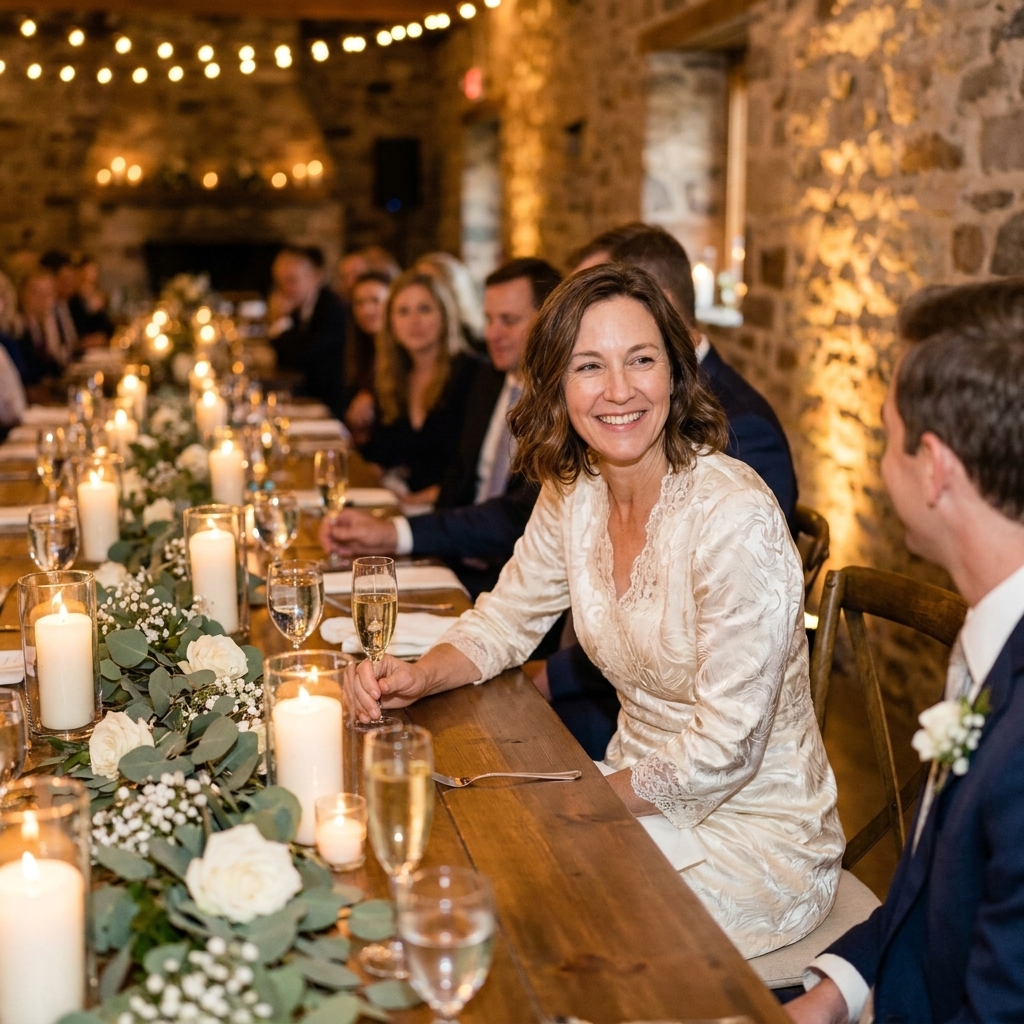
When you are planning a wedding, time has a funny way of speeding up and slowing down at once. One minute you are calling your mom to share the news, and the next you are wondering how it is already time to send invitations.
This 12-month timeline is the planning version of taking a deep breath. It is not about perfection. It is about creating a clear path so you can stay present for the sweet parts: the little decisions that become memories, the people who show up for you, and the joy of building a day that feels like home to both of you.

Elise note: If you have less than 12 months, do not panic. Start at your current month, then skim ahead and pull the time-sensitive tasks forward (venue, key vendors, attire). Connection is always more important than perfection.
Before you start: three key decisions
1) Your top three priorities
Pick three “must-feel-like-us” priorities. Examples: incredible food, a live band, a ceremony with personal vows, a stunning setting, a guest list that includes everyone you love. These priorities guide your budget and prevent decision fatigue.
2) Your realistic budget and who is contributing
Have the slightly awkward money conversation early. Clarify:
- Total budget range
- Who is contributing and when
- Any expectations tied to contributions (guest list input, cultural traditions, location preferences)
3) Your guest count range
Even a range helps: 60 to 80, 100 to 125, 175 to 200. Your guest count influences venue options, catering, rentals, and overall cost.

12 months out: foundation
- Choose a season and a few ideal dates (include a weekday option if you are budget-conscious).
- Draft a guest list and estimate guest count tiers.
- Set your budget and start a shared spreadsheet for tracking payments.
- Discuss the style and feel: intimate dinner party, garden party, black-tie, destination weekend.
- Start a wedding email address for vendor communication.
- Decide if you want a planner, coordinator, or design support.
Book first: venue and your big three
For most weddings, the first bookings are:
- Venue
- Photographer
- Caterer (if not in-house) or band/DJ (depending on what matters most to you)
11 months out: vendor team
- Tour venues and book your ceremony and reception location(s).
- Review contracts carefully, especially payment schedules, cancellation policies, and overtime rates.
- Ask vendors whether they carry insurance, and whether your venue requires a certificate of insurance (COI).
- Book your wedding planner or month-of coordinator if you want one.
- Book your photographer and videographer if you have not already.
- Start collecting inspiration thoughtfully (a small folder beats 300 screenshots).
Practical tip: vendor contact sheet
One document with names, phone numbers, email addresses, contract dates, and payment due dates will save your sanity later.
10 months out: ceremony and style
- Secure your officiant (especially for faith-based ceremonies).
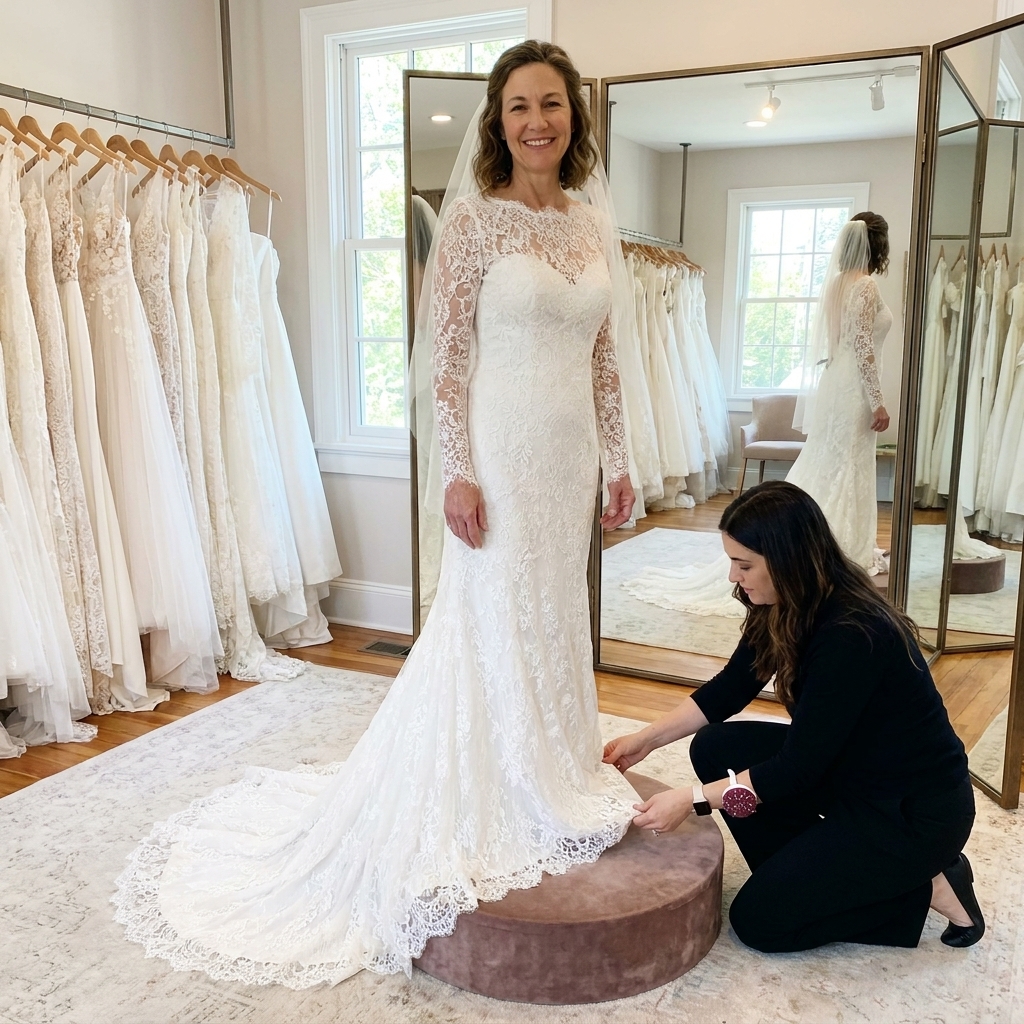
- Begin wedding attire shopping and schedule alterations windows.
- Choose your wedding party (if you are having one) and talk expectations early.
- Research florists, hair and makeup artists, and transportation.
- Start planning accommodations if you have many out-of-town guests.
9 months out: guest experience
- Book your florist.
- Book hair and makeup.
- Consider rentals if your venue does not provide what you want (chairs, linens, tabletop).
- Outline the weekend schedule: welcome drinks, rehearsal dinner, brunch, or just the wedding day.
- Create your wedding website basics (date, city, travel info, registry link coming soon).
- Add a simple inclusion note on your website: dietary restrictions, mobility access, childcare options, and who to contact with questions.
Etiquette, simplified
If you are doing a wedding website, keep it helpful and warm. Guests want clarity: where to go, where to stay, what to wear, and how to celebrate you.
8 months out: save the dates
- Engagement photos (if you want them).
- Order and address save the dates.
- Finalize wedding party attire direction (color palette, level of formality, budget sensitivity).
- Begin planning your registry.
- Choose your caterer if not already booked and schedule tastings.
Save-the-date timing
- Local wedding: 6 to 8 months out is typical.
- Destination wedding: 8 to 12 months out is kinder to your guests.
7 months out: menus and music
- Begin ceremony planning: readings, vows, cultural traditions, music.
- Book entertainment (band or DJ) if you have not yet.
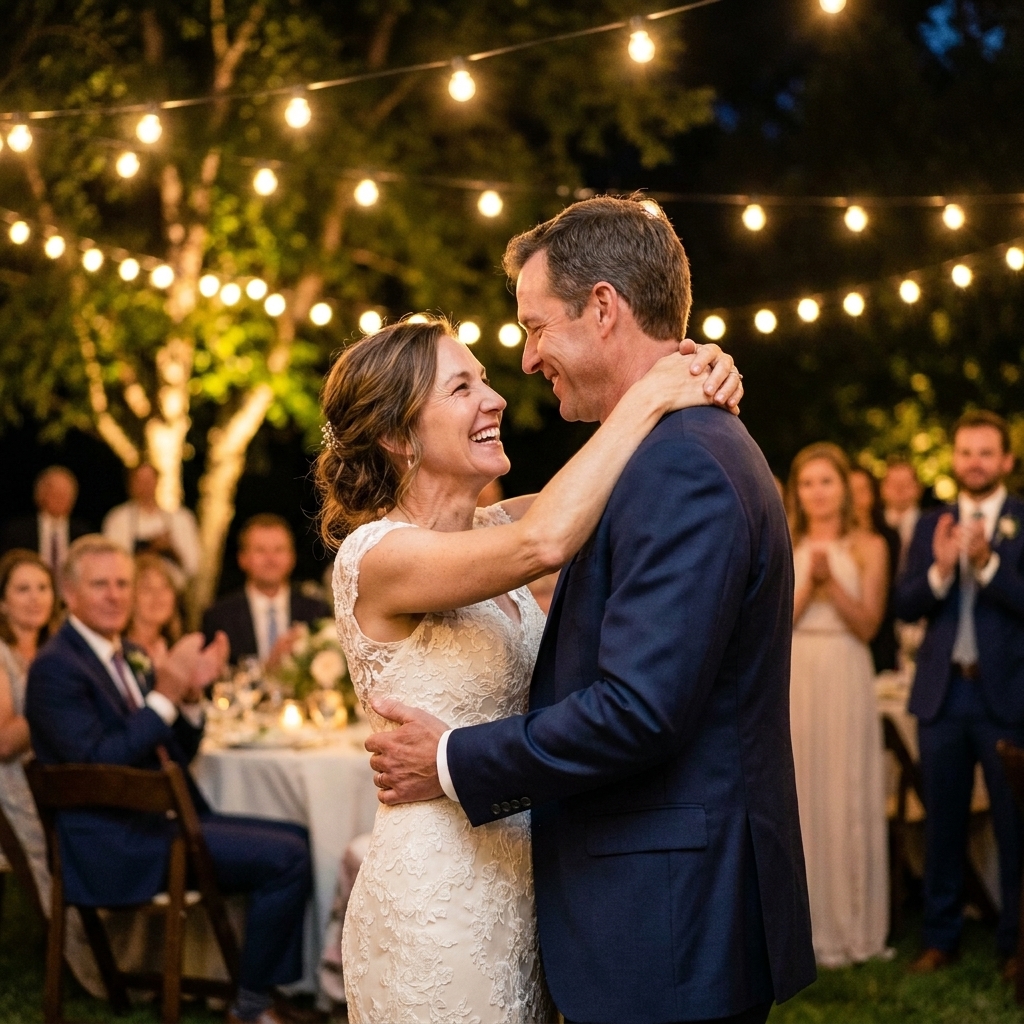
- Start thinking about the flow of the reception: entrance, first dance, toasts, special dances.
- Choose a cake baker or dessert plan.
- Confirm travel and hotel block details, including deadlines and any attrition clauses.

6 months out: invites and logistics
- Book transportation (especially if ceremony and reception are in different locations).
- Schedule your attire alterations timeline.
- Choose and order invitations and day-of paper pieces (or at least start design).
- Plan lighting if your venue needs it (string lights, uplighting, candles per venue rules).
- Book rentals you need (tables, chairs, tent, heater, dance floor).
- Consider wedding or event insurance, especially for higher budgets, outdoor plans, or strict venue requirements.
- Confirm officiant requirements for your marriage license timeline.
Family dynamics check-in
If there is tension in the family, address seating and event expectations now, when it is calm. A thoughtful plan is a gift to your future selves.
5 months out: look and feel
- Finalize your color palette and design direction.
- Choose ceremony and reception decor items you will DIY (keep the list short).
- Plan signage needs (welcome sign, seating chart, bar menu) based on your venue and flow.
- Book a rehearsal dinner venue if applicable.
- Select wedding rings if you have not already, especially if you want custom work.
- Confirm remaining attire pieces: partner outfit, shoes, accessories, and anything for pre-wedding events.
Reality check: If a DIY project cannot be finished in one evening, it has a way of turning into a stress project. Choose the ones that feel meaningful, not just trendy.
4 months out: photos and paper
- Order invitations (if you have not already) and finalize wording.
- Decide on invitation suite details: RSVP method, accommodations card, weekend events card.
- Meet with your photographer to discuss shot priorities and family dynamics.
- Plan your honeymoon basics: passports, time off, budget, and a rough itinerary.
- Book any remaining vendors: photo booth, musicians, ceremony sound, babysitting.
- Research marriage license requirements now, including appointment needs, waiting periods, and validity windows.

3 months out: make it personal
- Finalize the menu with your caterer and confirm how dietary restrictions will be handled.
- Schedule hair and makeup trials.
- Choose ceremony and reception music selections.
- Plan favors only if they feel true to you (edible is almost always appreciated).
- Start assembling a day-of emergency kit (blister pads, stain remover, safety pins).
- Create a preliminary day-of timeline draft.
- Ask your caterer about vendor meals and build them into your final counts.
Start your seating plan
You do not need final RSVPs yet, but you can:
- Group guests by circles (family, college friends, work friends).
- Flag any “do not seat together” situations.
- Note guests who will appreciate being placed with friendly faces.
2 months out: confirm everything
- Mail invitations (often 8 to 12 weeks before the wedding, or 6 to 8 for smaller, local events with minimal travel).
- Set your RSVP deadline (commonly 3 to 4 weeks before the wedding) and build in a few days for follow-ups.
- Track RSVPs and follow up kindly with stragglers.
- Finalize rentals and floor plan with your venue or planner, with a plan to adjust counts after RSVPs.
- Confirm floral proposal, including delivery timing and setup responsibilities.
- Finalize the ceremony script with your officiant.
- Plan gratuities and prepare tips in labeled envelopes.
Write toasts and vows
Even if you are comfortable speaking, writing early gives you time to edit down to what matters.
1 month out: home stretch
- Apply for your marriage license (check local requirements, appointments, and timing).
- Finalize the seating chart after RSVP deadline.
- Confirm final headcount with caterer and venue.
- Finalize rentals counts after RSVPs (chairs, place settings, linens, bar needs).
- Send final timeline to vendors and wedding party.
- Pick up or order any remaining items: guest book, card box, signage, vow books.
- Do a final fitting and break in shoes gently around the house.
- Create a packing list for the wedding day and honeymoon.
2 weeks out: delegate
- Confirm vendor arrival times and point-of-contact phone numbers.
- Provide your photographer with the family photo list and any sensitive notes.
- Assign day-of helpers: gift coordinator, decor return person, pet handler, someone to bring snacks and water.
- Confirm final payments and bring checks if needed.
- Share final guest count with transportation and venue.
Create a shield
Choose one person (often your coordinator, sibling, or friend) to field questions the day-of. It is one of the best gifts you can give yourself.
1 week out: week-of list
- Pack attire, accessories, and rings.
- Pack emergency kit, chargers, and comfort items (bandages, pain reliever, snacks).
- Confirm rehearsal details and ceremony cues.
- Pick up marriage license if not already done.
- Do a final weather check and prepare a simple backup plan (umbrellas, shawls, tent sides).
- Get a manicure if you want one, and plan rest, not just errands.
Day before: rehearsal
- Attend rehearsal and keep it simple and clear.
- Give out gifts or personal notes if you are doing them.
- Set out everything you need for the morning: attire, invitation suite for photos, rings, vow books.
- Eat a real meal and drink water.
- Go to bed at a reasonable hour, even if sleep is imperfect.
My favorite tradition: Write a short note to your future selves to open on your first anniversary. One paragraph each is plenty. It is sentimental, private, and deeply grounding.
Wedding day: steady plan
Morning
- Eat breakfast and keep snacks nearby.
- Give your phone to your point person.
- Stay close to your timeline, but build in breathing room.
Before the ceremony
- Hydrate.
- Do a quick look-around for essentials: rings, license, vows.
- Take five quiet minutes together if possible.
Reception
- Stick to 2 to 3 “spotlight moments” (first dance, toasts, cake cutting) and keep everything else flexible.
- Touch base with older relatives early in the evening, before the dance floor gets loud.
- Eat. Truly.
After the wedding: first few weeks
- Return rentals and borrowed items.
- Send thank-you notes (within 3 months is traditional etiquette, and sooner is always lovely if you can).
- Preserve attire if desired.
- Back up photos and videos as they arrive.
- Leave reviews for vendors who supported you well.
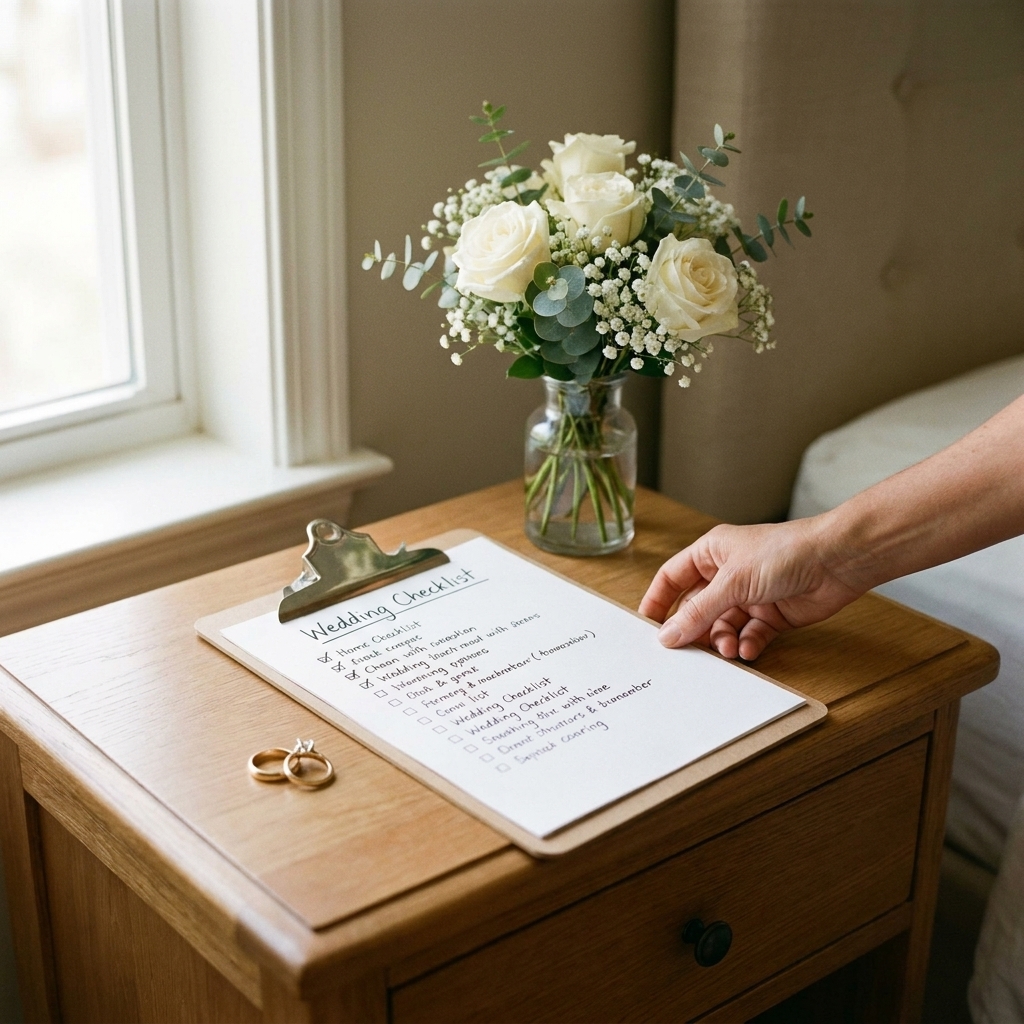
Master checklist
Book early
- Venue
- Planner or coordinator
- Photographer and videographer
- Catering
- Band or DJ
- Florist
- Hair and makeup
Order and create
- Save the dates
- Invitations and envelopes
- Day-of paper (programs, menus, seating display)
- Rings
- Attire and accessories
Finalize
- Guest list and RSVPs
- Seating chart
- Timeline
- Vendor confirmations
- Final payments and tips
- Insurance (if you choose it or your venue requires it)
FAQ
What should be booked first?
Your venue first, then your highest-impact vendors based on priorities. For most couples, photography and catering are next, followed by entertainment and florals.
When should I send invitations?
Many couples mail invitations 8 to 12 weeks before the wedding, with RSVPs due about 3 to 4 weeks before. For smaller local weddings with minimal travel, 6 to 8 weeks can still work.
How do I keep planning from taking over?
Set one planning night per week, keep a shared checklist, and limit inspiration scrolling. If a choice will not matter in five years, make it in five minutes.
If this timeline helped, save it somewhere easy to find and share it with anyone planning alongside you. Then take one small step today, just one, and let that be enough.