
Choosing an engagement ring should feel like a love story, not a graduate-level research project. And yet, the lab-grown vs. natural diamond decision can bring out everyone’s opinions: your best friend’s budget spreadsheet, your aunt’s “heirloom only” stance, and your partner’s quiet hope that it simply feels right.
Here is the good news: lab-grown and natural diamonds are both real diamonds. Their physical and optical properties are essentially the same, including the potential for beautiful light performance (brilliance, fire, and scintillation) and everyday wearability. The differences come down to origin, price, sourcing story, and long-term market behavior. Let’s walk through it in a way that keeps the focus where it belongs: on the commitment you are celebrating.
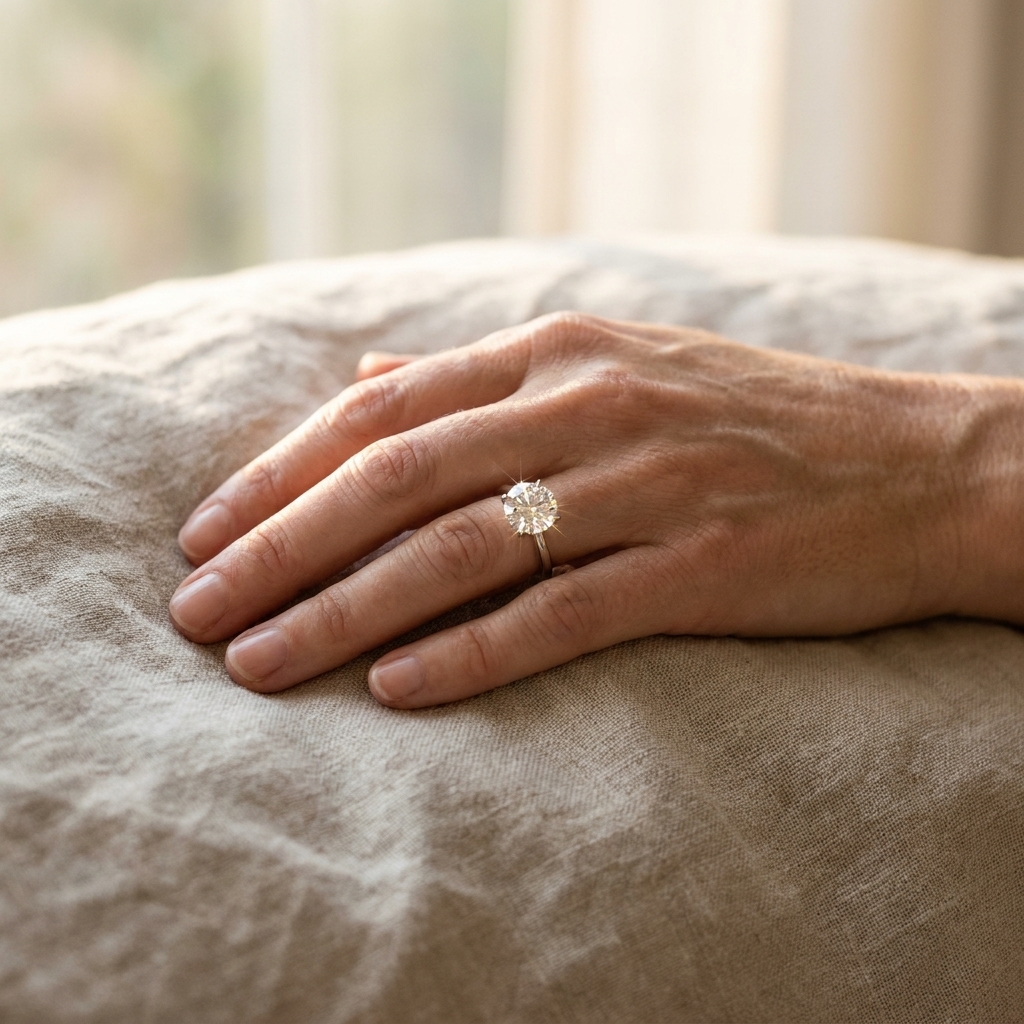
What makes a diamond lab-grown or natural?
Natural diamonds
Natural diamonds formed underground over a very long time, then were mined, cut, and set into jewelry. When people picture a classic diamond, this is usually what they mean.
Lab-grown diamonds
Lab-grown diamonds are created in a lab using technology that mimics the conditions under which diamonds form. The two most common methods are:
- HPHT (High Pressure High Temperature)
- CVD (Chemical Vapor Deposition)
Once cut and polished, a lab-grown diamond can look indistinguishable from a natural diamond to the naked eye. Origin is typically confirmed through a combination of a reputable grading report, a laser inscription (when present), and specialized lab equipment that can detect growth patterns and other markers. Some lab-grown diamonds can show different growth features or fluorescence patterns that labs can identify, even when the face-up look is the same.
Elise’s event-planner take: Your ring is a symbol, not a museum label. If you love the way it looks and it aligns with your values and budget, you are doing it right.
Cost: where most couples feel the difference
In most markets, lab-grown diamonds cost significantly less than natural diamonds for the same size and comparable cut, color, and clarity. A very common range is about 30 to 70% less, depending on the stone’s specs, the brand, and current pricing. That price gap is often the deciding factor, especially for couples balancing a wedding budget , a home down payment, or a desire to travel after the proposal.
What “less” can mean in real shopping terms
- You may be able to increase carat size while staying in the same budget.
- You may be able to prioritize a top-tier cut (the biggest driver of sparkle) instead of compromising there.
- You may be able to choose a more intricate setting, add a matching band, or put funds toward your celebration.
If you are torn, try this simple exercise: decide what you want your ring to communicate. Is it “the biggest stone we can responsibly buy,” “a heritage piece,” “a values-forward purchase,” or “timeless and understated”? Your budget becomes much easier to shape when the intention is clear.
Environmental impact: the honest nuance
Many couples begin with a sustainability question, and it deserves a thoughtful answer. The most honest summary is: both options carry environmental impacts, just through different pathways.
Natural diamonds and mining
Mining can involve significant land disturbance, energy use, and local ecological impacts. Many natural-diamond companies also fund community programs and restoration efforts, but practices vary widely by mine and region.
Lab-grown diamonds and energy
Lab-grown diamonds avoid mining, but they require substantial electricity for production. The environmental footprint depends heavily on the energy source used by the facility (renewables vs. fossil fuels) and the broader supply chain.
How to shop more sustainably, whichever you choose
- Ask for details about origin and sourcing (mine of origin for natural, production facility and energy sourcing for lab-grown).
- Look for retailers that provide transparent documentation and third-party certifications.
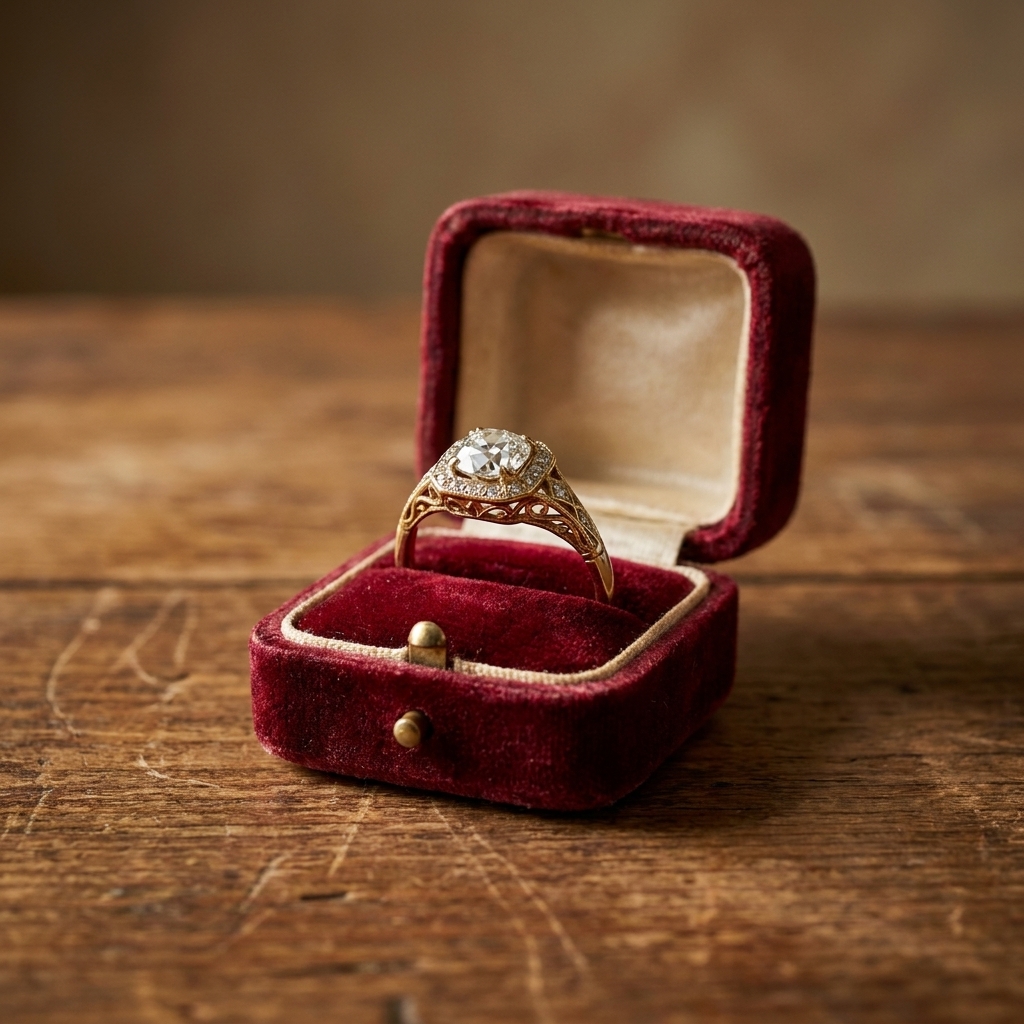
- Consider vintage or antique rings as a wonderfully low-impact choice with built-in character.
Ethics and sourcing: what to ask
Ethical sourcing is about people as much as it is about materials. With natural diamonds, many shoppers want assurance around labor practices and conflict financing. With lab-grown, the focus often shifts to labor conditions in manufacturing and the transparency of the company’s supply chain.
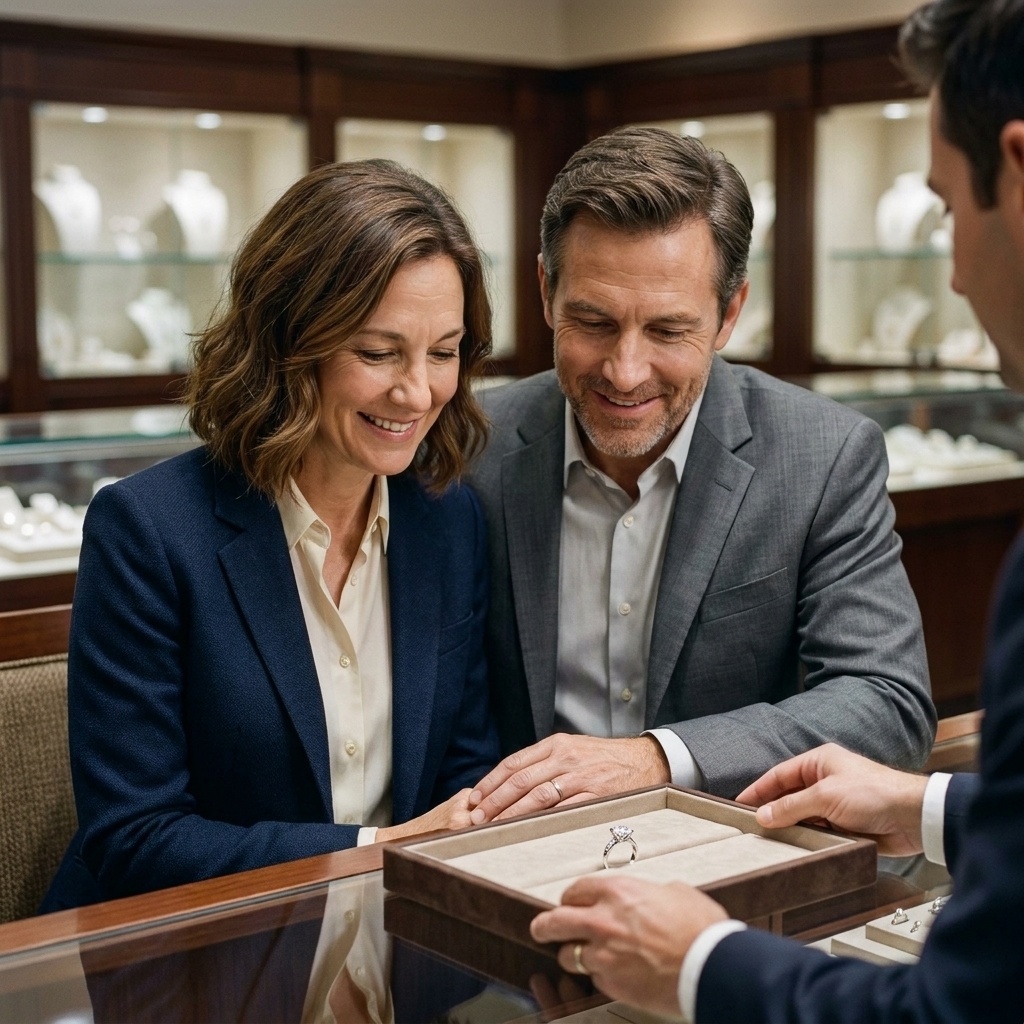
Helpful questions at the jeweler
- Natural: Can you share the diamond’s origin and any chain-of-custody documentation?
- Natural: What standards do you follow beyond baseline compliance programs?
- Lab-grown: Where was this diamond grown and cut?
- Lab-grown: Do you have information on the facility’s energy sourcing or sustainability practices?
- Both: Is this diamond graded by a respected lab (often GIA for natural, and IGI, GIA, or GCAL for lab-grown, depending on market)?
When you ask these questions, you are not being “difficult.” You are being a careful steward of a meaningful purchase.
Durability and sparkle: what is actually different?
The part that surprises people is that hardness is the same. Both lab-grown and natural diamonds are diamond, rating 10 on the Mohs hardness scale.
One important nuance: durability is not only hardness. Diamonds can still chip if struck at the wrong angle because of cleavage. That is true for both lab-grown and natural stones, and it is why cut, setting, and lifestyle matter.
What matters more than origin
- Cut quality: This is the biggest factor in how lively and bright a diamond appears. If you are chasing sparkle, start here.
- Setting choice: A secure setting protects the diamond and your peace of mind.
- Maintenance: Regular cleaning and occasional prong checks keep it looking its best.
If you want maximum light performance per dollar, prioritize cut first. As someone who has watched tiny details make big emotional impact at weddings, I can tell you: the way your ring catches light when you move your hands will matter far more day-to-day than the stone’s origin story.
Long-term value: resale, insurance, and expectations
Long-term value is where the conversation can get sensitive. Many of us grew up hearing that diamonds are “investments.” In practice, engagement rings are best treated as sentimental assets first, and financial assets second.
Resale and market behavior
- Natural diamonds: Often hold value better than lab-grown in the resale market, though resale still commonly falls well below retail pricing.
- Lab-grown diamonds: Often have lower resale value, and in recent years prices have generally trended downward as production has scaled. This is a trend, not a promise, and it can vary by market and moment.
Insurance
Both lab-grown and natural diamonds can be insured. Your insurer will typically use an appraisal and or purchase documentation to set coverage. The practical tip: insure based on replacement cost, not sentimental value.
A healthier way to define value
Ask yourselves: What would feel like a win five years from now? A bigger center stone? A ring that aligns with your ethics? A piece that could become an heirloom? A decision that let you start married life with less financial pressure? Your definition is the one that counts.
Reports and disclosures: what to check
If you want a calmer shopping experience, let the paperwork do some of the work. Ask to see grading reports for any diamond you are seriously considering, and compare stones with similar specs side by side.
On a grading report
- Cut grade: Often the biggest driver of brightness and sparkle (for round stones, this is usually clearly graded).
- Measurements: Helpful for understanding how large the diamond looks face-up, not just its carat weight.
- Table and depth: Useful indicators of proportions (your jeweler can help interpret what is ideal for your shape).
- Polish and symmetry: Finishing details that can support overall beauty.
- Fluorescence: Not automatically good or bad, but worth noting and viewing in different lighting if it is strong.
Lab-grown specifics
- Any treatments or remarks: Many lab-grown stones are sold without additional treatment, but disclosures and comments matter, so read them.
- Possible tint: Some CVD stones can show subtle brown or gray tones. A report and a side-by-side viewing can help you decide what you like.
Settings and metals: the practical side
A diamond is only as worry-free as the setting holding it. If your partner is active with their hands, this section is your best friend.
Setting style
- Prongs: Classic and allows lots of light, but plan for periodic prong checks.
- Bezel: A metal rim that can be very secure for daily wear, especially for active lifestyles.
- Halo or side stones: Extra sparkle, plus more small stones to maintain and insure.
Metal choice
- Platinum: Durable and naturally white. It can develop a soft patina over time.
- Gold (14k or 18k): Popular and beautiful. Color and hardness vary by karat and alloy.
If you are unsure, try on a few styles and pay attention to how they feel on the hand. Comfort is a daily kind of romance.
How to choose: a calm framework
If you are feeling stuck, use this simple approach I used with planning clients when options multiplied.
Step 1: Pick your top two priorities
- Maximizing size for budget
- Heirloom potential and tradition
- Lower environmental impact
- Strong documentation and traceability
- Specific brand or designer setting
Step 2: Decide where you want flexibility
Many couples find peace by choosing one “non-negotiable” and one “flex” category. For example: non-negotiable is a natural diamond, flexible is carat size. Or non-negotiable is a lab-grown diamond, flexible is color grade.
Step 3: Compare stones with matched specs
When comparing lab-grown and natural, keep the variables consistent: same shape, similar cut grade, similar color and clarity ranges, with reports in hand. Otherwise, it is not a fair comparison.
Step 4: Ask about policies
- Timeline: Custom settings and special orders can take weeks.
- Returns and resizing: Know the window and what counts as “final sale.”
- Warranties and maintenance: Clarify prong checks, cleaning, and what is covered.
- Upgrade policies: Some jewelers offer trade-in programs, and rules vary widely.
Frequently asked questions
Can anyone tell if a diamond is lab-grown?
To the naked eye, usually not. Identification typically requires specialized equipment, and is often supported by the grading report and any laser inscription on the stone.
Is a lab-grown diamond fake?
No. Lab-grown diamonds are real diamonds. They are different from diamond simulants like cubic zirconia or moissanite, which are separate gemstones.
Do lab-grown diamonds test as diamonds?
Yes, they can test as diamond because they are diamond. Some jewelers use advanced screening tools to determine whether a diamond is natural or lab-grown.
Is a natural diamond always the better choice?
Not always. Natural diamonds may make sense if tradition, rarity, and heirloom perception matter most to you. Lab-grown may make sense if you want more size for your budget or prefer avoiding mining impacts. The “better” choice is the one you will feel proud to wear.
What about vintage or antique rings?
Vintage can be a beautiful third path. You are reusing existing materials, often getting distinctive craftsmanship, and creating a story that is instantly layered. Just budget for resizing, prong checks, and possible restoration.
A final word for proposal season nerves
If you are worried about choosing wrong, that usually means you care deeply, not that you are unprepared . A ring is one meaningful piece of a larger promise. Choose the diamond that supports the life you are building, the budget that lets you breathe, and the story you want to tell every time someone asks, “Can I see your ring?”
Connection is always more important than perfection.