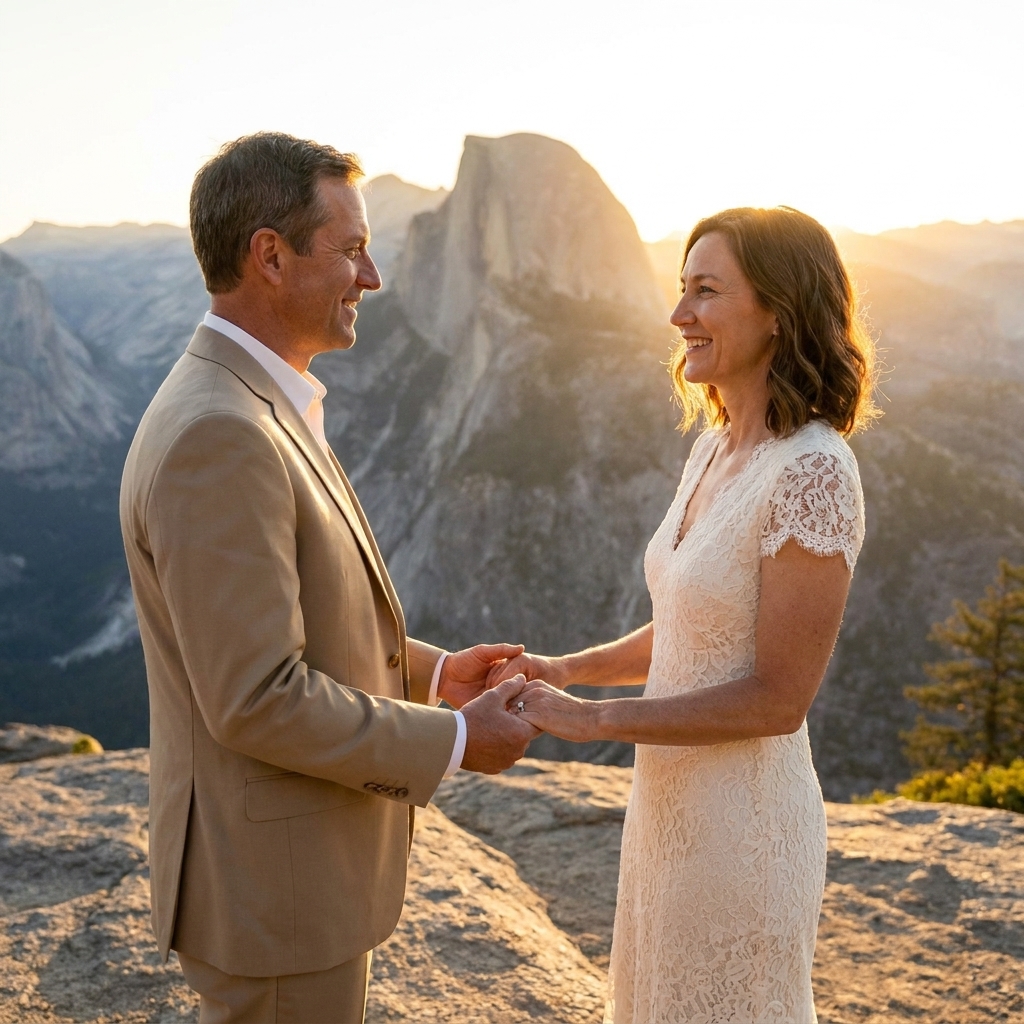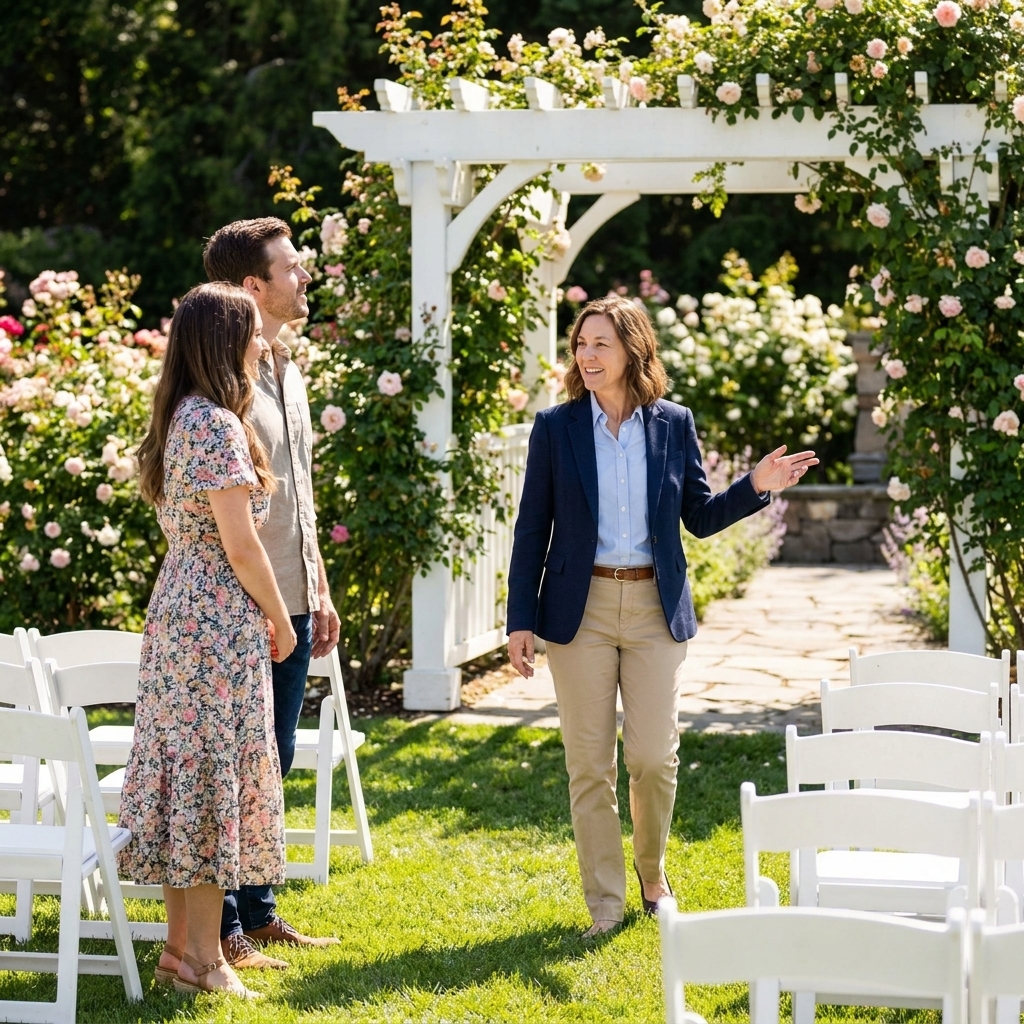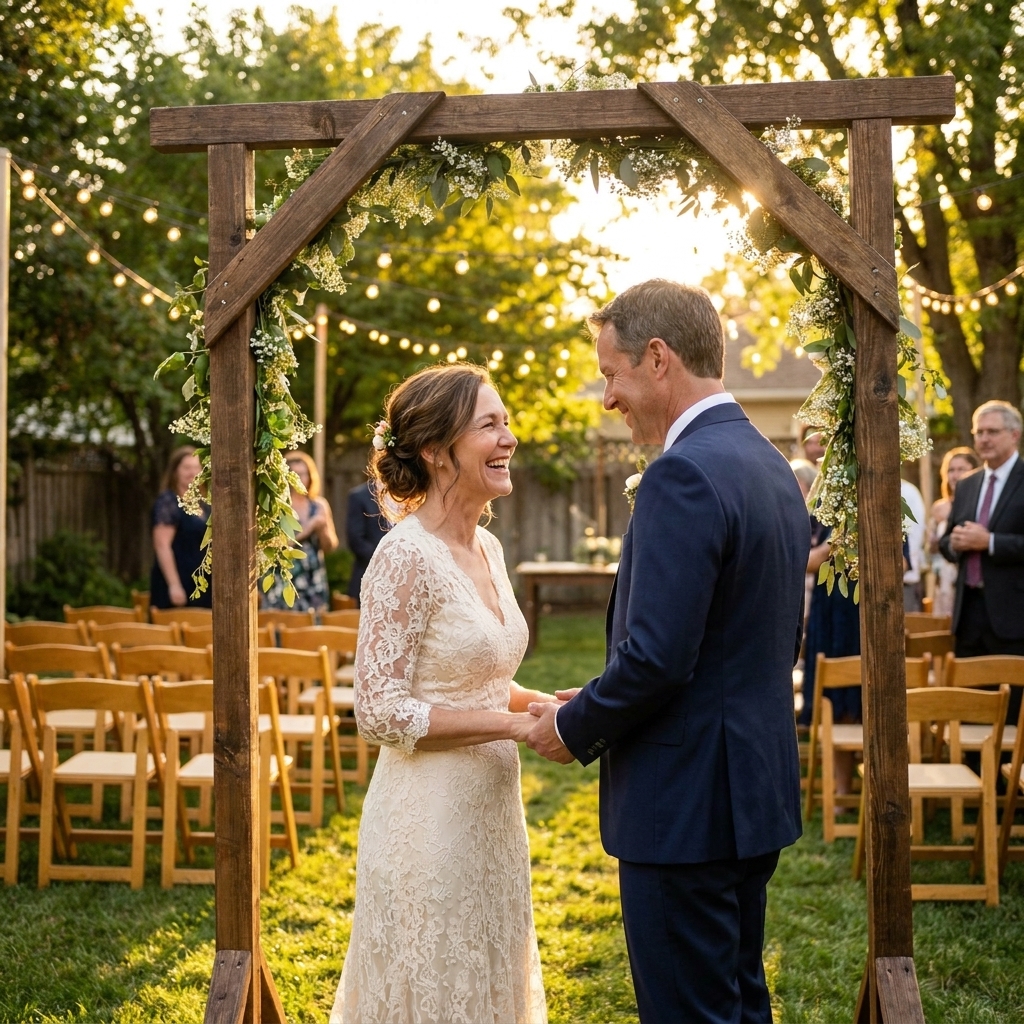
After twelve years of planning intimate weddings, I can tell you this with my whole sentimental heart: the most memorable ceremonies are not the most elaborate ones. They are the ones that feel unmistakably like the couple. If you want a ceremony that is modern, personal, and a little unexpected, you do not need to throw out tradition entirely. You just need to choose a few moments that tell your story on purpose.
Below are 15 non-traditional wedding ceremony ideas, from unity rituals that actually mean something to seating layouts that encourage connection. Pick one, pick three, or mix and match until it feels like you.
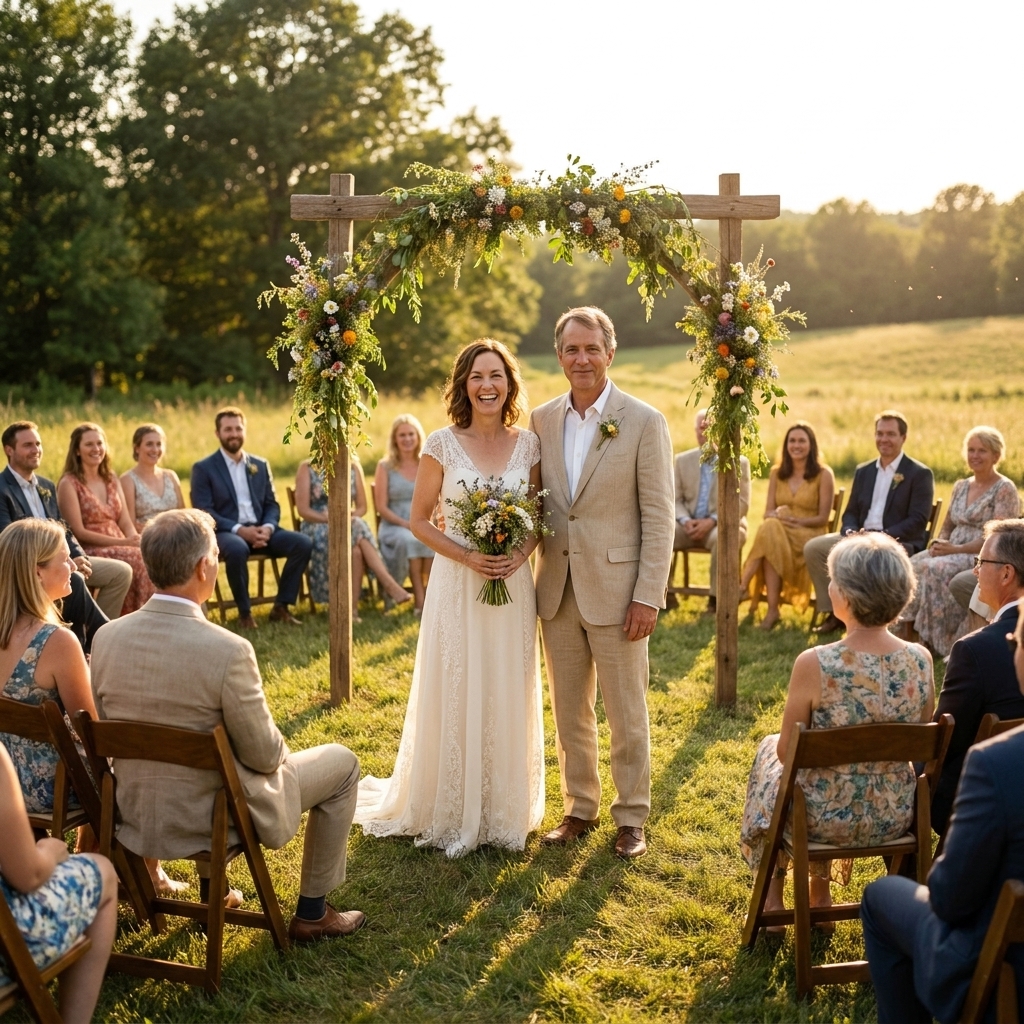
Meaningful unity rituals (beyond sand and candles)
Unity rituals work best when they are specific to your relationship and easy for guests to understand in real time. If it needs a three-minute explanation, it may start to feel like a performance. If it needs one sentence, it becomes a moment.
1) Warming of the rings
Your rings are passed through the first row or among a small circle while guests quietly offer a wish, a prayer, or a good thought. It is intimate, inclusive, and beautifully simple.
- When: After the rings are presented, before vows (or during a reading).
- Make it smooth: Put rings in a small pouch or ring box with a ribbon loop so they are easy to hold.
- Best for: Smaller weddings or ceremonies with seated guests close together.
- Etiquette note: Skip if your crowd is large or seating is spread out. You do not want guests anxiously watching the rings travel.
2) Handfasting with a fabric that has history
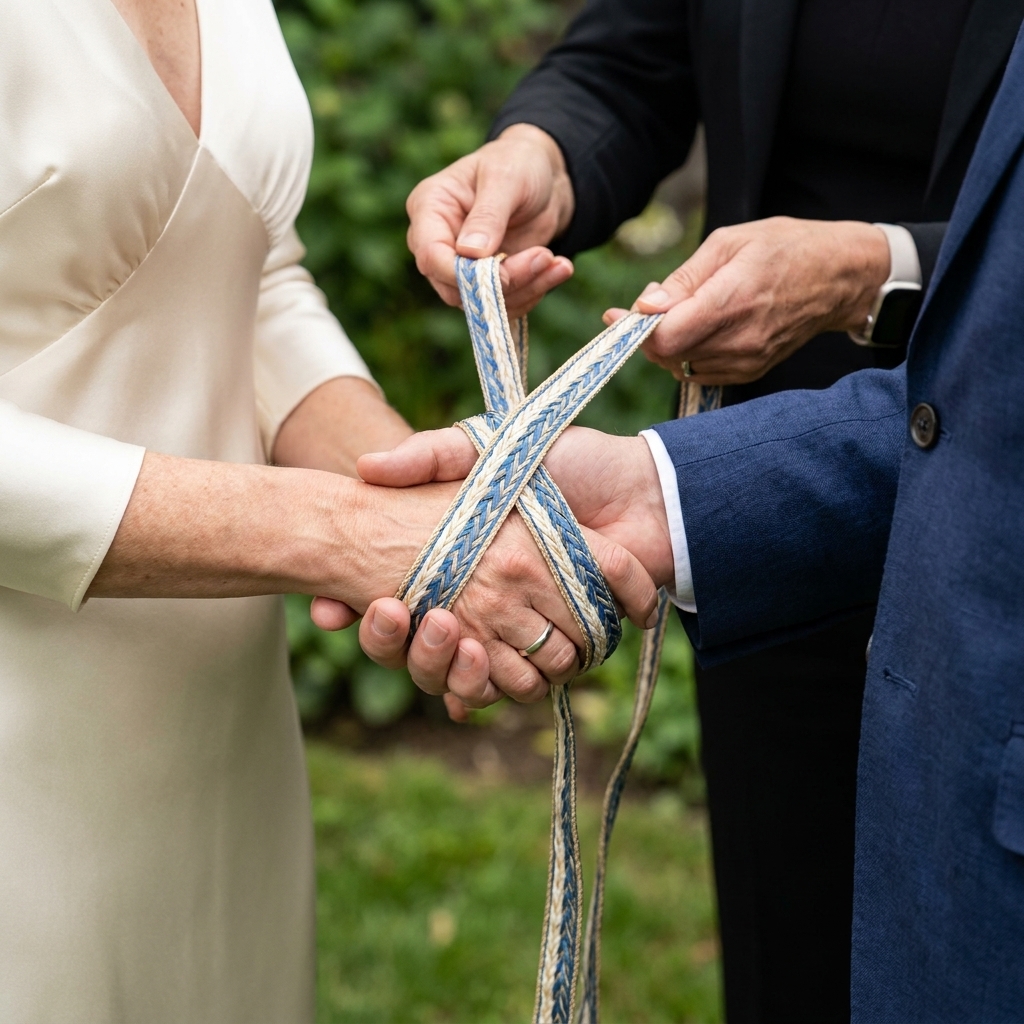
Handfasting has historical roots and is wonderfully adaptable. Instead of ordering a generic cord, use something meaningful: a piece of lace from a parent’s veil, a scarf from travel, or fabric from a loved one’s clothing (with permission and care).
- Keep it modern: Choose a single, wide ribbon or two coordinated ribbons for a cleaner look on camera.
- Script tip: Ask your officiant to explain it in one line: “This cord symbolizes the promises you are making today.”
- Respect note: If you are borrowing from a tradition that is not yours, take five minutes to learn the context and adapt thoughtfully.
3) Planting ceremony with a future home in mind
Instead of pouring sand, plant something you will actually keep. A small potted olive tree, rosemary, or a hardy houseplant can be watered together and later moved to your home or yard.
- When: After vows, before the pronouncement (or right after).
- Logistics: Prep the pot with soil ahead of time and use a small watering can. Avoid loose bags of dirt at the altar.
- Venue note: Some venues do not allow soil, water, or plant material on certain floors. Confirm ahead of time.
- Good for: Garden weddings, backyard celebrations , and couples who want a living keepsake.
4) “Letters to our future selves” box
Write letters to open on your first anniversary or on a milestone you choose. Seal them in a small wooden box during the ceremony.
- When: After vows, while music plays (it keeps the pacing calm).
- Optional add-on: Include a bottle of wine or your favorite non-alcoholic treat, but do not make it the main point.
- Extra meaningful: Add a note from each set of parents or chosen family, if that feels supportive and not stressful.
5) Shared vow book signing
After you exchange vows, sign a single vow book together. It is a quiet, powerful visual that says, “We meant this.”
- When: Right after the ring exchange, before the kiss.
- Photography tip: Use a pen that writes boldly and quickly. No one wants to watch a finicky fountain pen moment.
- Display idea: Keep the vow book on your nightstand or coffee table instead of storing it away.
6) Blending a family recipe
If food is part of your love story, consider a small, symbolic “recipe” ritual. Examples: stirring honey into tea, adding spices to a jar, or combining two small bottles of olive oil into one.
- Keep it tidy: Pre-measure ingredients in small vessels and use a tray.
- Guest comfort note: Consider allergies and strong scents (especially with spices). Keep it subtle and contained.
- Best for: At-home ceremonies, micro-weddings, or intimate restaurant weddings.
Seating and processional twists
So much of ceremony energy is shaped by where people sit and how you enter the space. These ideas help the room feel warm and participatory without asking guests to do anything awkward.
7) Ceremony in the round
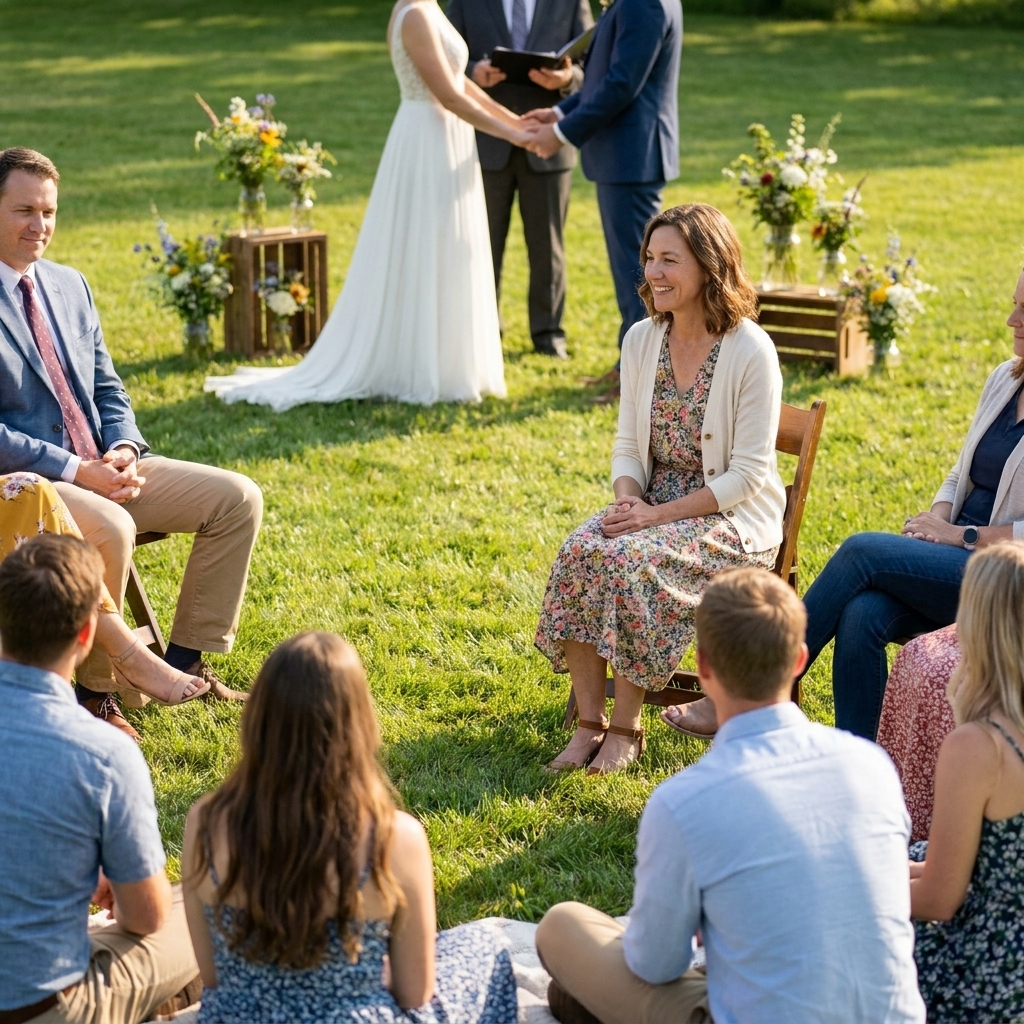
Guests sit in a circle around you, so no one is “behind” the moment. It creates a cozy, communal feeling and makes the ceremony feel less like a stage show.
- Planner note: Leave a clear aisle lane for the processional and for your photographer to move quietly.
- Audio note: Use a microphone. Guests are seated 360 degrees, and your vows deserve to be heard.
- Best for: Courtyards, barns, galleries, and outdoor lawns.
8) Spiral aisle
Instead of a straight aisle, create a gentle curved path that winds toward the ceremony center. It slows the walk, builds anticipation, and looks gorgeous in photos.
- Decor tip: Line the curve with small clusters of flowers or lanterns, not tall arrangements that block sightlines.
- Accessibility tip: Keep the path wide and stable for mobility devices, and avoid thick rugs on grass.
9) “Choose a seat, not a side” with intentional grouping
Modern couples often want to skip the visual division of families. Go one step further by grouping guests intentionally: mix longtime friends with newer circles, or seat by shared interests if you have time and a small enough guest list.
- Family dynamics tip: If there is tension, do not force mixing. Connection is always more important than perfection.
10) Process in together (or meet halfway)
Walking in together can feel grounded and equal. If you still want a traditional entrance moment, meet halfway down the aisle and walk the rest together.
- Works well when: You want a statement of partnership or you are blending cultures and traditions.
11) Seating in “living room” clusters
Instead of straight rows, arrange small lounge groupings with a mix of chairs, benches, and a few sofas. It feels intimate and encourages guests to settle in.
- Comfort check: Make sure there are enough standard chairs for older guests and anyone who may need back support.
- Flow tip: Keep pathways wide. Guests should not feel like they are navigating furniture to find a seat.
- Visual note: If you have guests with low vision, reserve a few front seats with clear sightlines.
Personal ceremony moments guests remember
These ideas are about making the ceremony feel like your relationship, not like a generic script. Choose moments that reflect your values: gratitude, humor, family, faith, community, creativity.
12) Community vow response
After your vows , invite guests to make a simple promise of support. It can be one line, spoken together, like: “We will support your marriage with love and respect.”
- Why it works: It is inclusive without putting anyone on the spot individually.
- Keep it accessible: Ask guests to remain seated. Standing and sitting repeatedly can be difficult for some.
- Audio tip: Have the officiant speak slowly and clearly, and consider a printed program if you want everyone to join in confidently.
13) “Story of us” read by your officiant
A two-minute story of how you met, what you admire in each other, and what you are building together can turn a ceremony from formal to deeply human.
- Guardrail: Keep it warm, not roast-style. Inside jokes should be rare and explained quickly.
- Pro tip: Send your officiant three bullet points each, not a novel.
14) A pre-ceremony “vow whisper”
Right before the processional, meet privately for 60 seconds to exchange one line each. Not the full vows. Just a grounding sentence: “I am here. I choose you. I cannot wait.”
- Why couples love it: It takes the edge off nerves and makes the public moment feel safer.
- Where: Around a corner, behind a doorway, or tucked near your ceremony site.
15) Memory chair with a living “touchpoint”
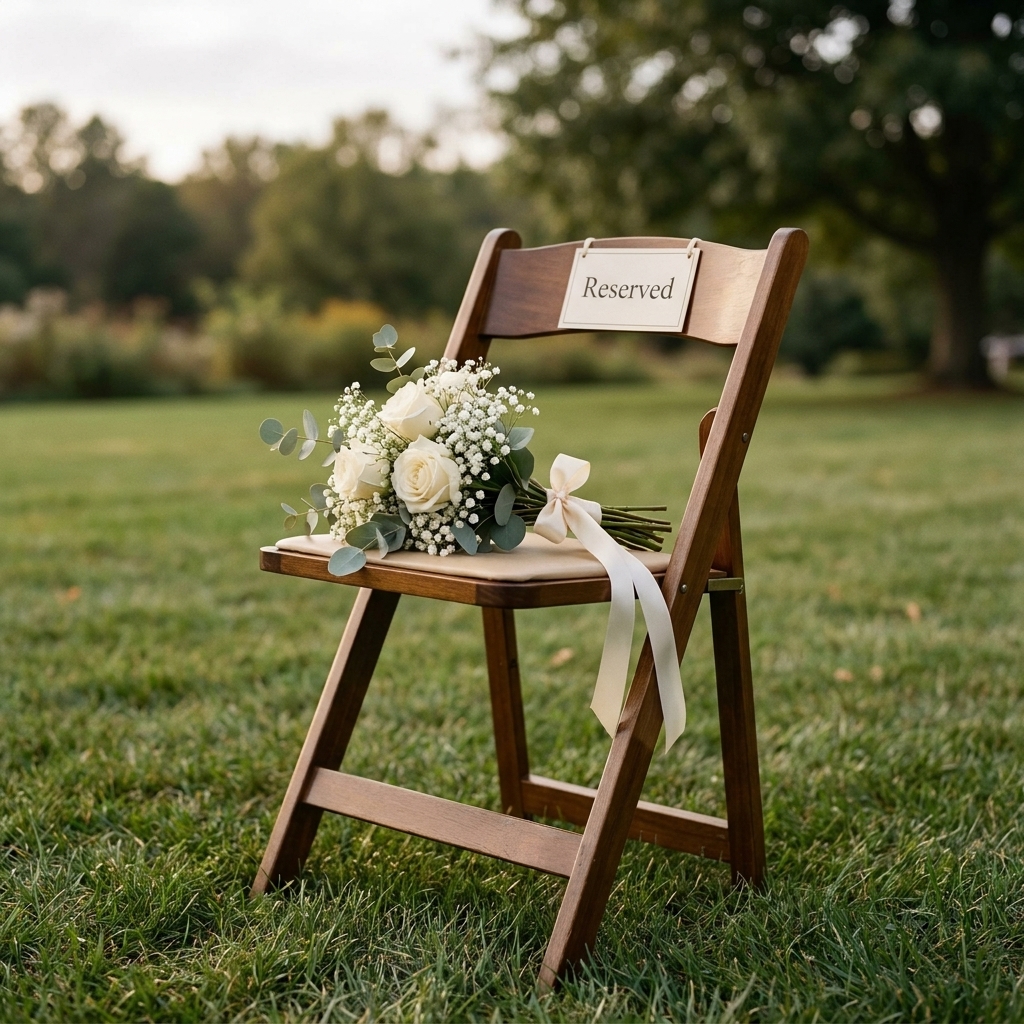
A memorial can be tender without feeling heavy. Reserve a single chair with a small, meaningful item: a single flower, a framed photo, or a piece of vintage fabric draped neatly over the back.
- Keep it subtle: One chair is usually enough. Your ceremony is still a beginning.
- Optional wording: Your officiant can acknowledge those not physically present in one sentence, then move forward.
Quick practical notes
- Venue rules: Confirm restrictions on open flame, food and drink, tossing items, amplified sound, and anything that could stain floors (soil, wine, oil).
- Reset plan: Decide who sets ceremony items in place and who clears them quickly afterward so your aisle is ready for photos and the recessional.
- Accessibility: Keep aisles wide for mobility devices, offer a few front-row seats with easy access, and use a microphone whenever guests are spread out.
- Cultural care: When you borrow a ritual with deep cultural or religious roots, learn the meaning and choose language that honors it rather than treating it like decor.
How to choose the right ideas
If you are feeling tempted to do all fifteen, let me gently talk you down. The goal is not novelty. The goal is meaning.
- Pick 1 unity moment: One is memorable. Two can be lovely. Three starts to feel like a program.
- Pick 1 layout shift: Ceremony in the round or a curved aisle can completely change the feeling without adding time.
- Pick 1 spoken personalization: A short “story of us” or a community vow response adds heart without adding clutter.
- Do a rehearsal for logistics: Especially for ring warming, handfasting, or any movement through the audience.
When in doubt, choose the option that makes you feel calmer and more connected. Your guests will feel that, too.
Quick FAQ
Are non-traditional ceremonies still “official”?
Usually, yes. The legal piece is handled by your marriage license and whoever is authorized to officiate in your location. Requirements vary by state and country, so confirm any required wording, witness rules, and filing deadlines with your local office.
How long should a modern ceremony be?
For most couples, 15 to 25 minutes is a typical sweet spot. If you add readings, rituals, or cultural elements, aim for intention and pacing rather than trimming meaning.
Will older relatives be offended?
Sometimes people are surprised, but most families respond well when they can see the love and respect underneath your choices. If you anticipate tension, consider incorporating one familiar element, like a traditional blessing, a classic piece of music, or a nod to family heritage.
What if we want something unique but do not want to write personal vows?
You have options. You can do repeat-after-me vows, write private vows to exchange later, or choose a short statement of intent and personalize the ceremony through a story moment, seating choice, or unity ritual.