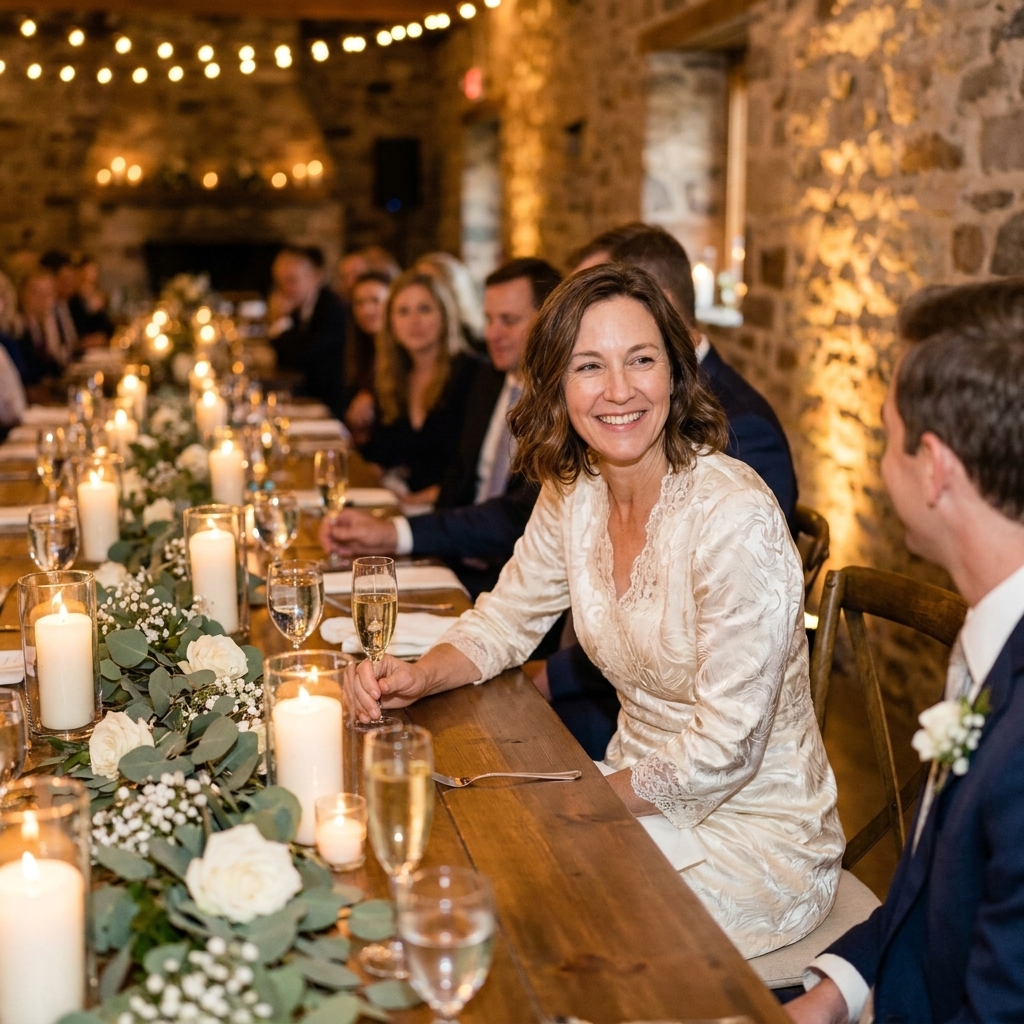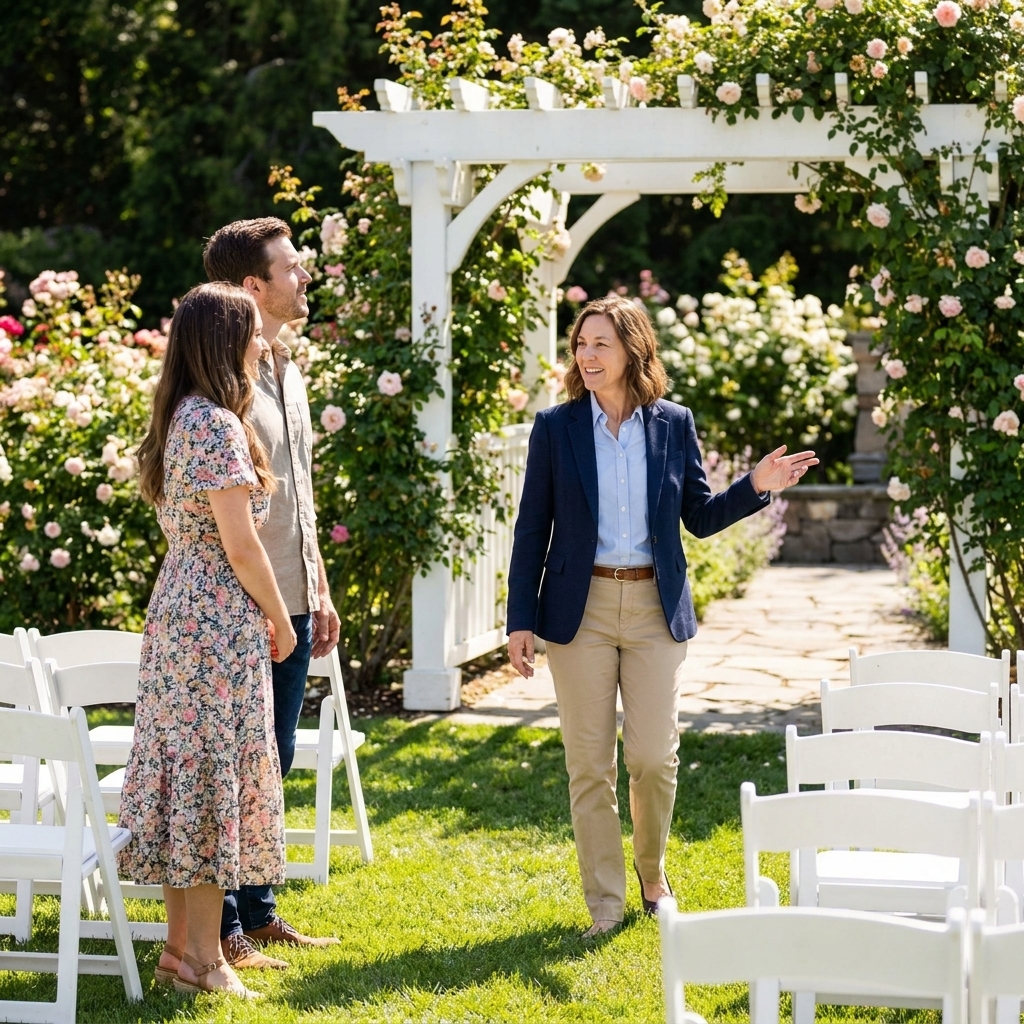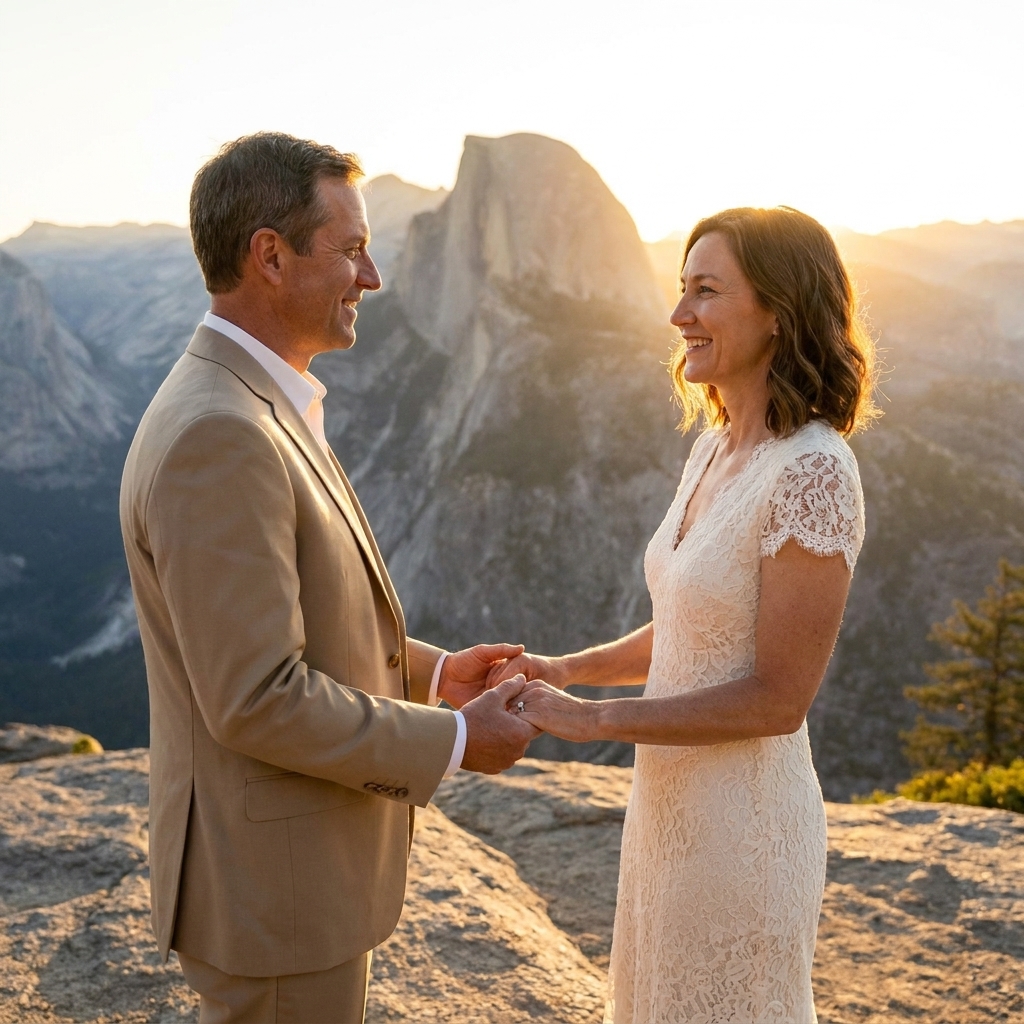
There is a moment in almost every engagement when the conversation stops being Will we get married? and becomes Where will we do this? A destination wedding can feel like a romantic escape, with built-in honeymoon energy. A local wedding can feel like a homecoming, wrapped in the people and places that shaped you.
Neither is automatically “easier,” and neither is automatically “more meaningful.” The right choice is the one that protects what matters most to you: your budget, your guest list, your time, and the kind of connection you want to feel on the day.
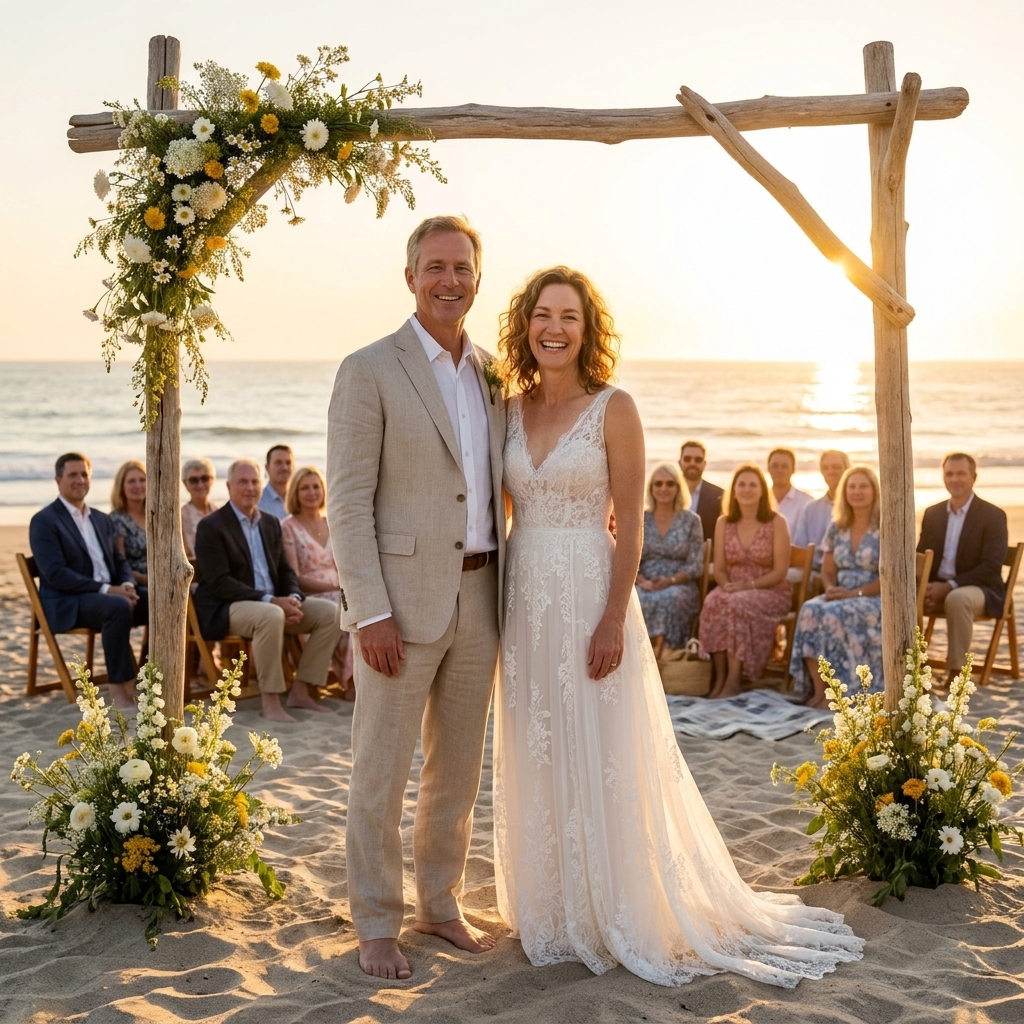
My planning rule of thumb: connection is always more important than perfection. Choose the format that helps you be fully present with the people you love.
The quick definition
What counts as a destination wedding?
A destination wedding is any wedding that requires most guests (and often the couple) to travel and stay overnight. That might be a tropical resort, a mountain lodge, or simply a different state from where you currently live.
What counts as a local wedding?
A local wedding is hosted in or near your home base or hometown, where a significant portion of your guest list can attend without major travel or lodging.
Destination wedding: the real pros and cons
Pros
- Often a smaller guest list, naturally. Travel tends to filter the list to your closest people, which can create a beautifully intimate feel.
- A built-in “wedding weekend.” Welcome drinks, a beach day, a group hike, a farewell brunch. Time together becomes part of the gift.
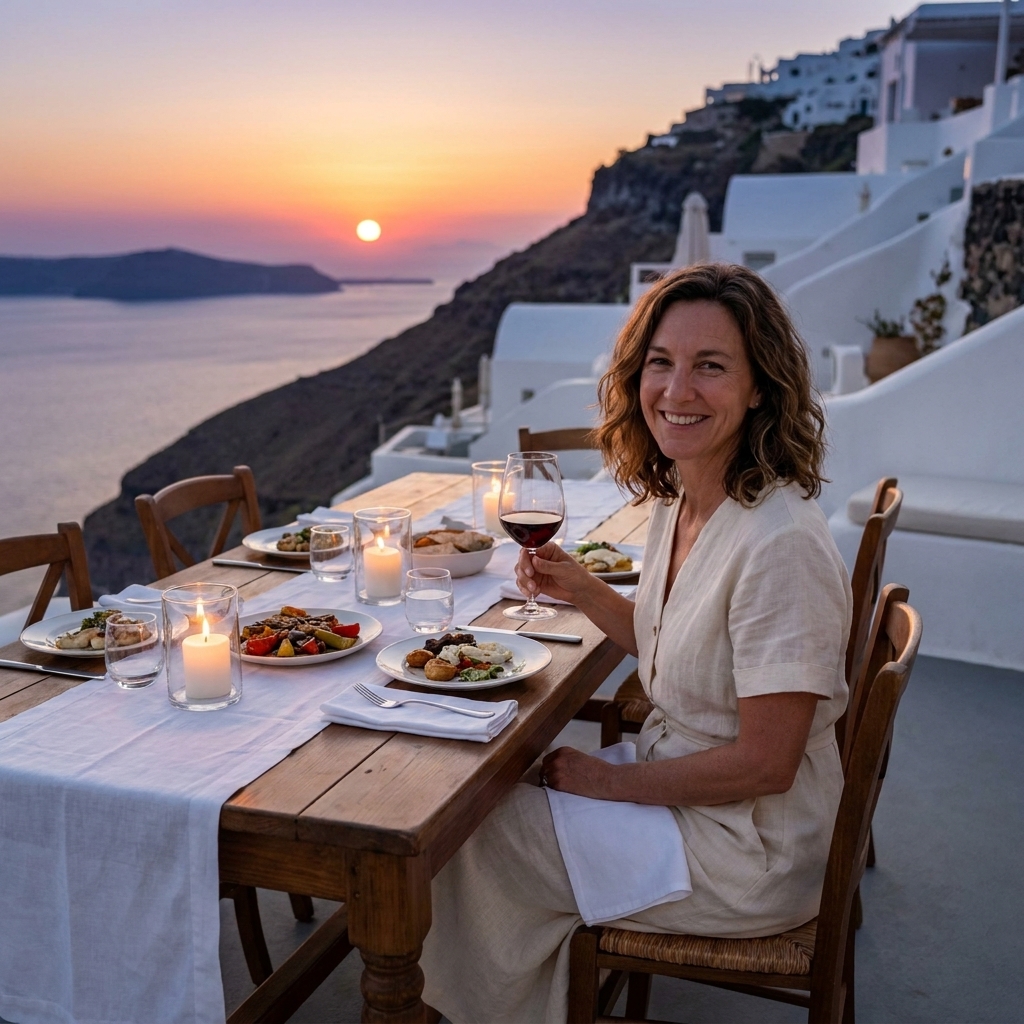
- Scenery does a lot of the work. When the location is breathtaking, you can simplify decor and still have a wow factor.
- It can feel like an intentional pause. Getting away can help couples stay focused on the marriage, not just the production.
Cons
- Guest cost and accessibility can be tough. Flights, hotel nights, passports, time off work, childcare. Even your closest friends may not be able to make it.
- Planning can be more complex from afar. Vendor research, time zones, contracts, and fewer in-person previews. A local planner or strong on-site coordinator becomes very valuable.
- Weather and travel disruptions carry more risk. Delays, cancellations, and seasonal storms matter more when everyone is traveling.
- You may feel pressure to “host” the whole weekend. It is wonderful, but it also means more touchpoints to plan and pay for.
Local wedding: the real pros and cons
Pros
- Easier for more people to attend. If having grandparents, lifelong friends, or a big extended family presence is nonnegotiable, local tends to win.
- More control and more options. You can visit venues, do tastings, meet vendors, and make confident decisions with fewer unknowns.
- Lower guest travel burden. Even when your budget is similar, a local wedding can be more equitable for guests.
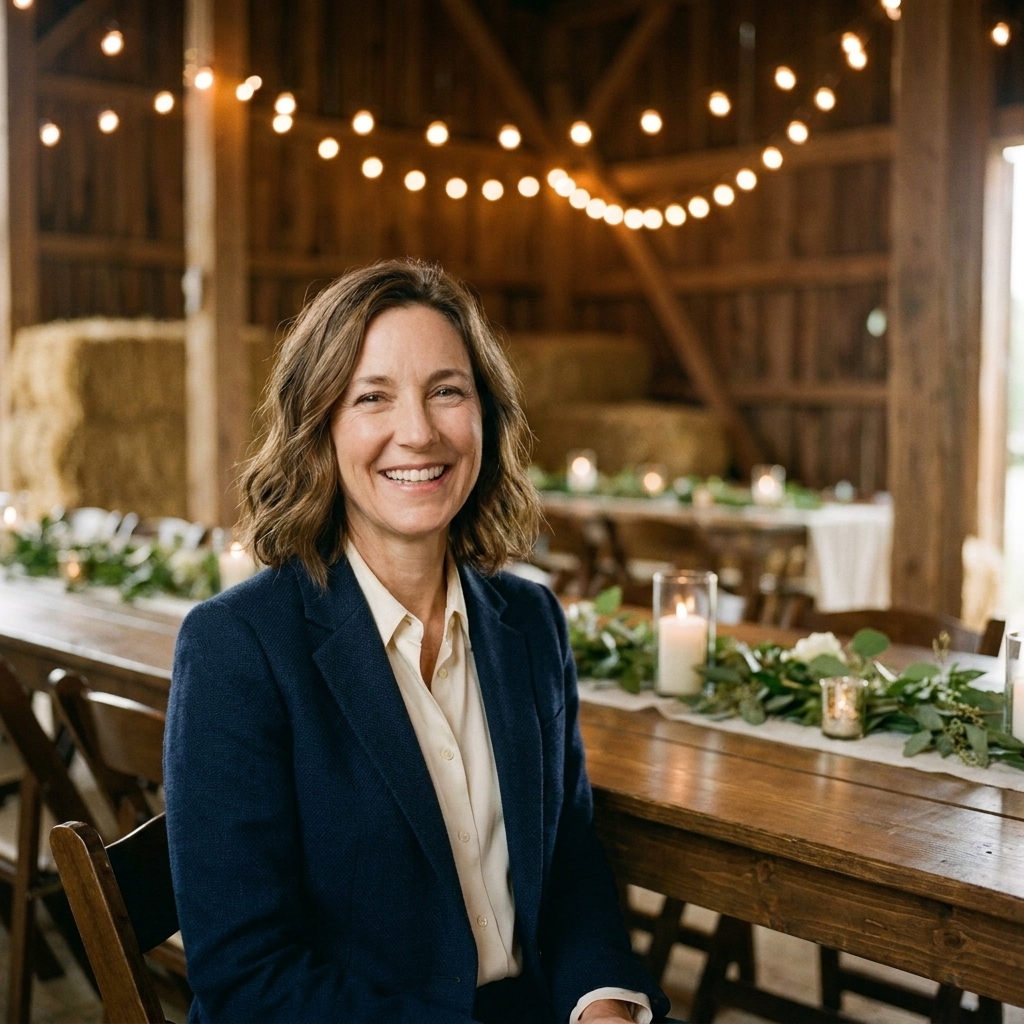
- Community magic. Getting married where you grew up or where you built your life together has a sentimental weight that is hard to replicate.
Cons
- The guest list can expand fast. Local weddings can come with social expectations, family pressure, and “we have to invite them” energy.
- More moving parts on one day. If you are not doing a full weekend, everything tends to be packed into a tighter schedule.
- Boundaries matter more. When you are close to home, it is easier for well-meaning helpers to become accidental decision-makers.
Cost: what couples are surprised by
Budgets are personal, and pricing varies wildly by region. But the surprises are remarkably consistent.
Destination wedding budget surprises
- Travel adds up for you, too. Site visits, luggage fees, shipping decor, and extended stays can quietly inflate the total.
- Resort packages can be a great value, or a trap. Some include coordination, chairs, officiant, and a basic floral package. Others lock you into preferred vendors with premium pricing.
- Guest experience expectations. If guests are investing to attend, couples often feel compelled to add events, welcome bags, or excursions.
Local wedding budget surprises
- Guest count is the biggest lever. Catering, rentals, invitations, bar, cake. In many markets, 150 guests locally can cost more than 35 guests at a destination because per-person costs stack fast. Luxury destinations and venue buyouts can flip this, so run the math for your exact scenario.
- “Just one more upgrade” creep. When you are surrounded by local options, it is easier to keep adding details.
- Transportation and parking. Shuttles, valet, and permits can appear late in the planning process.
My gentle budget truth: If you want to protect your spending, protect your guest count first, then protect your must-haves.
Guest list and family dynamics
This is usually the deciding factor, even when couples think it is about the view.
Destination weddings work best when:
- you feel at peace with a smaller attendance
- your VIPs are able and excited to travel
- you are comfortable setting clear boundaries with extended family
- you want your wedding to feel like a shared vacation
Local weddings work best when:
- including elders or people with limited mobility is a priority
- you have a large, close-knit community
- you want a bigger dance floor and a classic reception vibe
- you anticipate family members struggling with travel or cost
If the thought “I would be heartbroken if they could not come” applies to more than a handful of people, lean local or consider a destination that is easy, affordable, and direct-flight friendly.
Time, stress, and logistics
Destination logistics to watch
- Legal requirements. Rules vary by country and state, and they can change. Some places may have waiting periods or specific documentation, and a few jurisdictions have historically required medical tests. Always check current requirements for your exact location. Many couples do the legal paperwork at home and have a symbolic ceremony away.
- Vendor communication. Ask about language fluency, time zones, and how they handle changes. Get everything in writing.
- Weather backup plan. Know the rain plan and wind plan, especially for beaches and cliffs.
- Guest support. A wedding website with travel tips, transportation options, and clear timelines is not optional. If you want to be extra kind, add a simple “how to get here” page (airport options, transfer links, check-in times) and one living document for updates, like a WhatsApp group or a pinned note.
Local logistics to watch
- Setup and breakdown. Local weddings sometimes skip a planner, which means someone still has to manage the timeline, vendor arrivals, and the end-of-night cleanup.
- Family roles. Decide early who is hosting, who is paying, and who gets a vote. Those are different things.
- Multiple locations. Ceremony here, photos there, reception elsewhere. Transportation and timing matter more than people expect.
Risk and protection
This is the unromantic section that saves a lot of heartbreak.
- Insurance. Consider event insurance (especially for outdoor weddings) and, for destination plans, travel insurance that covers disruptions for you and protects big nonrefundable expenses.
- Contracts and force majeure. Read the cancellation and reschedule language carefully. If it is unclear, ask for it in plain English before you sign.
- Backups for key vendors. Ask what happens if your photographer gets sick, or if the officiant cannot travel. The best pros have a plan.
- Permits and rules. Beaches, parks, terraces, and historic districts often have permit requirements, noise rules, and curfews. Build that into your timeline and expectations.
Accessibility and comfort
Ask one simple question: will this place be joyful for our people, not just beautiful in photos?
- Mobility and terrain. Stairs, sand, cobblestones, long walks, and shuttle steps can be deal breakers for some guests. If you go destination, choose venues with easy routes and accessible restrooms, and share that information early.
- Heat, altitude, and timing. Midday sun, high elevation, and humidity change what “comfortable” means. Start later, offer shade, and prioritize water and seating.
What kind of wedding day do you want to wake up to?
Try this visualization exercise with your partner. It sounds simple, but it is surprisingly clarifying.
Destination morning might look like:
- breakfast with your best friends
- salt air and sandals
- a slower, stretched-out schedule
- a smaller circle, more time per person
Local morning might look like:
- hair and makeup with siblings and cousins rotating in
- a familiar drive past your old school or your favorite coffee shop
- more guests and more energy
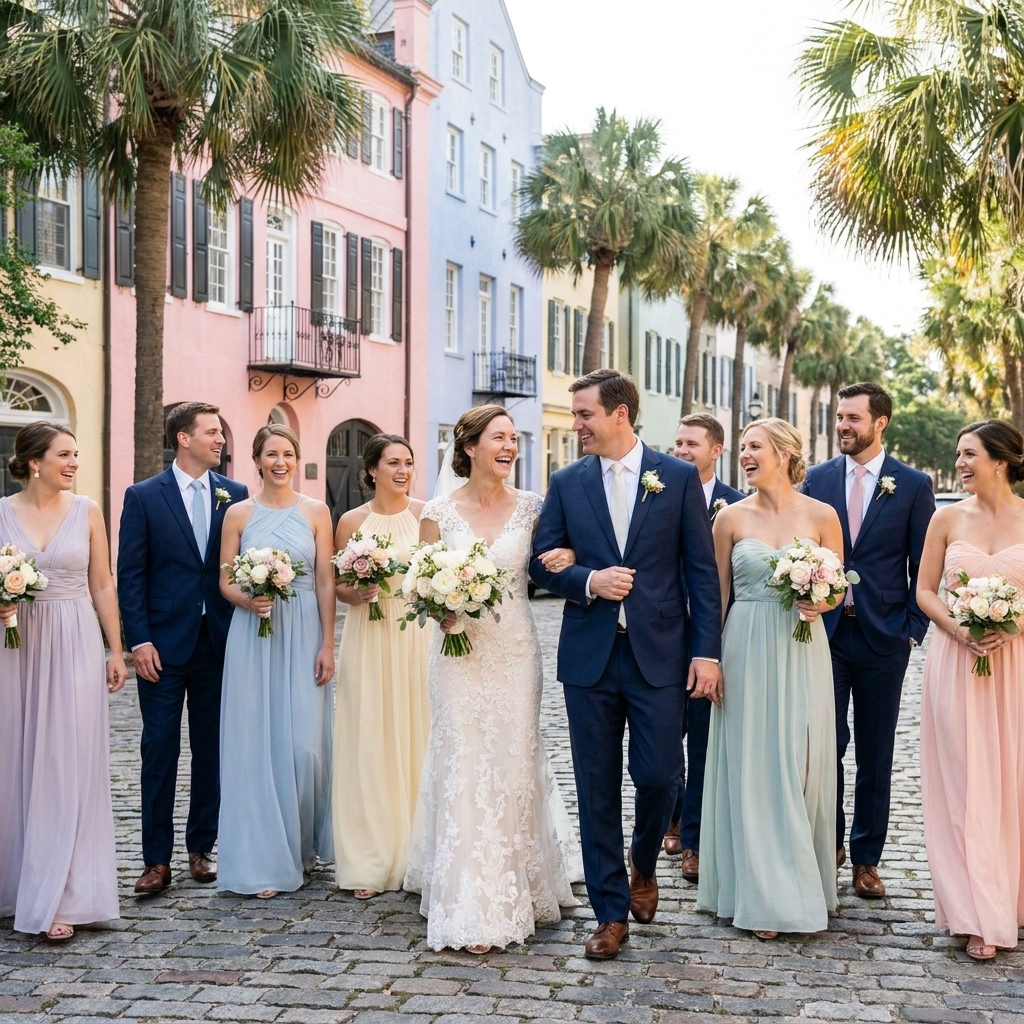
- a feeling of being held by your community
Decision tools: choose what fits
The 5-question test
- If we could only choose one, would we rather have more people or more time with fewer people?
- Would it break our hearts if certain nonnegotiable guests could not travel?
- Do we feel energized by planning details, or do we want the simplest path?
- Is our budget more limited by total cost, or by what we can ask guests to spend?
- Do we want the wedding to feel like a vacation or like a homecoming?
A simple scoring exercise
Give each category a score from 1 to 5 for importance, then see which option supports your top three.
- Guest accessibility
- Intimacy
- Budget predictability
- Planning ease
- Sentimental location value
- Weekend experience
- Photo backdrop
- Food and vendor flexibility
Middle-ground options
If you are stuck, you may not need an either-or decision.
1) Local wedding, destination honeymoon
Classic for a reason. You get the full guest experience, then you escape and exhale.
2) An “easy” destination
Choose a place with direct flights, lots of hotel price points, and minimal paperwork. A reachable destination can feel special without being difficult.
3) Intimate destination plus local celebration
Host a small ceremony away, then throw a relaxed hometown party after. Think: restaurant buyout, backyard dinner, or an anniversary-style reception with dancing.
4) Local, but weekend-style
Welcome drinks, wedding, farewell brunch. You can create that destination togetherness without asking guests to board a plane.
Planning tips that help
If you go destination
- Hire on-the-ground help. Even a month-of coordinator who knows local vendors can save your sanity.
- Communicate early. Save-the-dates often go out sooner for destination weddings. Include approximate costs and travel guidance.
- Make peace with “no.” People can love you deeply and still not be able to come. Hold that with tenderness.
- Prioritize guest comfort. Clear timelines, transportation info, and realistic schedules matter more than elaborate extras.
If you stay local
- Protect your guest list. Decide your number before you tour venues, and stick to it.
- Assign a point person. Even with a planner, choose one trusted friend or family member to field minor questions on the day.
- Create private moments. Schedule a first look, a quiet post-ceremony toast, or ten minutes alone after the reception starts.
- Set boundaries kindly and clearly. A simple script helps: “We love that you care. We are keeping this decision between the two of us, and we cannot wait to celebrate together.”
FAQ
Is a destination wedding always cheaper?
Not always. Smaller guest counts can reduce total cost, but travel, multi-day hosting, and resort pricing can offset savings. Destination can be cheaper, similar, or more expensive depending on guest count and location.
How far in advance should we send save-the-dates?
For destination weddings, 9 to 12 months is a common planning-friendly range. For local weddings, 6 to 8 months is typical. If your date is near holidays, peak travel seasons, or you are planning in a high-demand area, 9 to 12 months can be wise for local weddings too.
Is it rude to have a destination wedding?
No, as long as you genuinely understand that some people cannot attend and you do not make anyone feel guilty. Thoughtful communication and realistic expectations are the etiquette essentials.
Should we do the legal ceremony at home for a destination wedding?
Many couples do, especially when international paperwork feels stressful. You can sign the license locally, then have a symbolic ceremony at the destination that feels just as real emotionally.
The bottom line
If your dream is a smaller circle, more time together, and a shared adventure, a destination wedding may be your happiest yes. If your dream is a full room, an easy yes for your people, and a celebration anchored in home, local is likely your match.
Either way, the win is the same: you get to gather the people who love you and say, out loud, “This matters.” That is the whole point.