
There is a moment in nearly every planning process when someone leans in, lowers their voice, and says: “We really just need… money. But how do we say that nicely?”
I promise, you are not the first. From couples who already have a fully stocked home to families planning a milestone birthday with zero need for more stuff, cash funds are an increasingly common way to give. The goal is not to “ask for money.” The goal is to invite guests to contribute to your next chapter in a way that feels gracious, clear, and true to you.
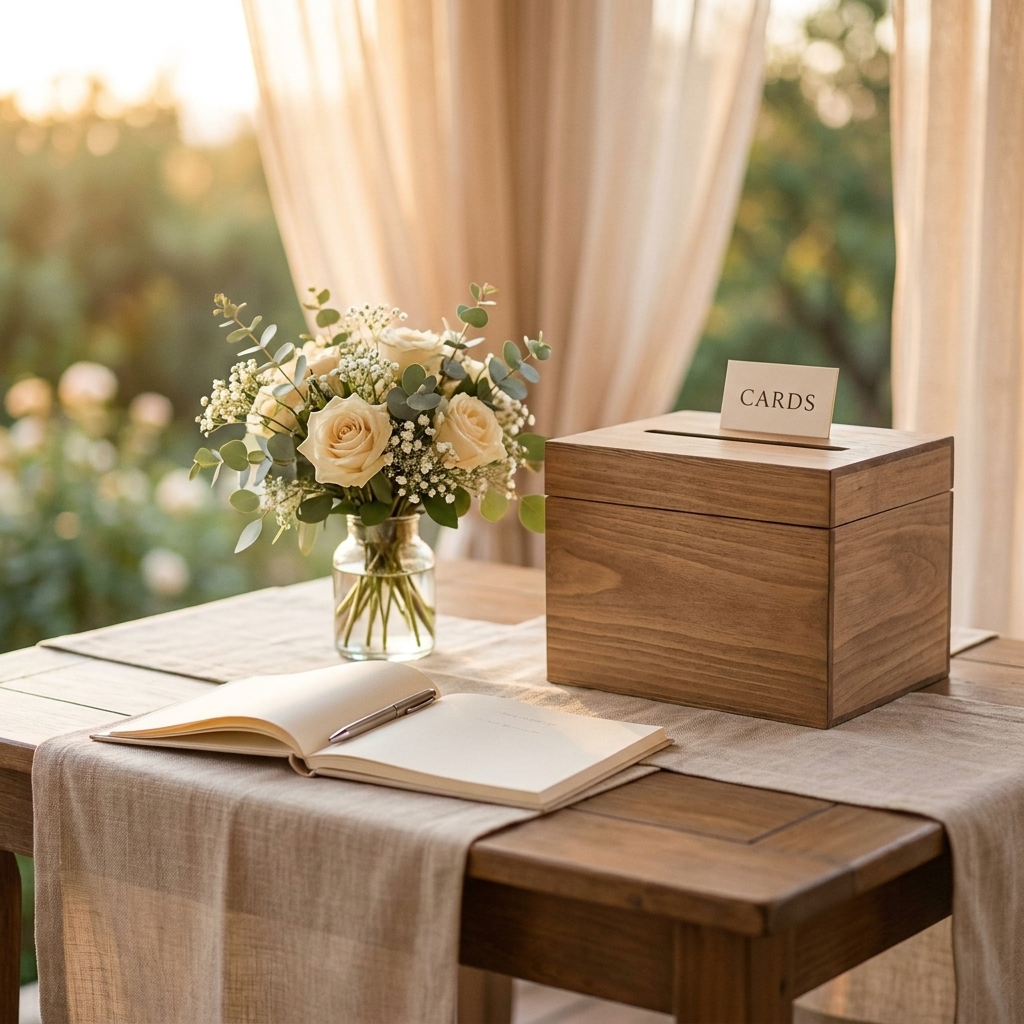
Cash funds vs. traditional registries
Traditional registries: best for tangible needs
A classic registry is still wonderful when you genuinely need household basics, upgrades, or a few meaningful keepsakes you will use for years. Guests who love picking something physical often feel most comfortable with this option.
- Ideal for: first homes, rebuilding after a move, replacing worn essentials, blended families combining households thoughtfully
- Guest experience: straightforward, familiar, easy to shop
- Potential downside: duplicates, items you would not choose, storage clutter
Cash funds: best for goals and experiences
Cash funds work when your “registry” is really a plan: a honeymoon, a down payment, a nursery refresh, debt payoff, a big move, a meaningful course or certification, even an anniversary trip. They can also reduce waste and returns, which many couples appreciate.
- Ideal for: already-stocked homes, travel, home projects, new baby needs that change quickly, milestone birthdays and graduations
- Guest experience: fast and simple, often with small contribution options
- Potential downside: if worded bluntly, it can feel transactional
A friendly option: offer both
If your crowd includes traditional gift-givers, the kindest approach is often a hybrid: a small registry of a few tangible items plus one or two cash funds. This says, “Your presence matters most. Your gift style is welcome here.”
The etiquette rule to keep you grounded
When you are worried about sounding tacky, return to this guiding principle: focus on gratitude and purpose, not on cash.
You never need to justify your choices with a long explanation. You simply need to:
- Make it optional and low-pressure
- Explain what the gift supports (your “why”)
- Offer a few ways to give (and a graceful way not to)
- Keep the tone warm, not salesy
Connection is always more important than perfection. Your guests want to celebrate you, and clarity helps them do that comfortably.
Where to share cash fund details
Best places
- Your wedding or event website: Often the easiest, most widely accepted option. Include a “Gifts” or “Registry” tab and keep the language short and sincere.
- Shower invitations: If a shower is being hosted, gift information usually belongs on the host’s insert card or on the event website, not as a demand.
- Word of mouth: Families and wedding party members can answer questions when guests ask.
Places to avoid
- The main invitation: In many circles, invitations do not mention gifts directly. If you need to direct guests somewhere, use a simple website line like “Details at our website” and keep gift info there.
- Registry-as-ransom wording: Anything that suggests a requirement, minimum, or “we only accept cash” framing tends to land poorly.

Wording templates
Use these as plug-and-play starting points. Adjust for your voice, your event, and your audience.
1) Simple and classic
Website wording:
“Your presence is the greatest gift. If you would like to celebrate with a gift, we have a small registry and a honeymoon fund. Thank you for being part of our day.”
2) Already have everything
Website wording:
“We are lucky to already have a home full of what we need. If you would like to give, a contribution toward our next adventure would mean so much. We have also included a few favorite items on a small registry.”
3) Home down payment or renovation
Website wording:
“We are saving for our first home. If you would like to give a gift, a contribution to our home fund would help us build the cozy, welcoming space we have been dreaming about.”
4) New baby fund
Event page wording:
“We are keeping gifts simple. If you would like to help us prepare for baby, a contribution to our baby fund would be appreciated. We are also registered for a few essentials.”
5) Graduation or milestone birthday
Event page wording:
“No gifts are expected. If you feel moved to give, I am saving for [goal] and a small contribution would be truly appreciated.”
6) No boxed gifts
Insert card or event page wording:
“With limited space at home, we kindly ask for no boxed gifts. If you would like to give, a card or small contribution to our fund would be warmly appreciated, but not expected.”
What to avoid
- Cash-only demands: “We only want cash” or “No physical gifts” without a soft landing can feel harsh.
- Minimums and suggested amounts: Even if a platform allows it, it is generally best to avoid.
- Over-explaining: A long paragraph about why you do not want stuff can sound defensive.
- Money jokes: Humor can work with close friends, but on a public-facing website it often lands wrong.
- Direct mention on the invitation: In many communities, it is better to keep the invite focused on hosting, not gifting.
Cash fund platforms
Once your wording is set, the next step is choosing a tool that makes giving easy for guests.
The “best” platform depends on your priorities. Before you choose, check these details:
- Fees: Transaction fees, processing fees, and whether guests can cover them. Confirm current pricing before publishing your link.
- Payout timing: Immediate transfers vs. delayed payouts (and any limits).
- Guest experience: Do guests need an account? Is it easy on mobile?
- Privacy: Can you hide gift amounts? Can guests contribute anonymously?
- Flexibility: Can you use funds however you want, or are gifts tied to specific “experiences”?
Common options
- Zola: Often used as an all-in-one wedding website plus registry and cash funds. Features and fees can change, so it is worth a quick review before you commit.
- The Knot Registry: Popular for couples already using The Knot website tools, with cash funds and traditional gifts together (confirm current setup and fee details).
- Joy: Known for a clean guest interface and strong wedding website features, and commonly used to combine registries and cash funds.
- Honeyfund: A classic for honeymoon-style gifting with “experience” options.
- GoFundMe: This can be a great fit for hardship or charitable fundraising. For typical celebrations, it is often perceived as mismatched unless you share a clear, sensitive context.
- Venmo or PayPal: Familiar and simple, but consider privacy and how you will share details. Many hosts prefer linking these on a website rather than printing usernames.
Practical tip: If you expect older guests, pick a platform that does not require creating an account and offers a very clear checkout flow. Convenience is a kindness.
Small practical note: Platforms may charge fees, and some payment methods may have reporting requirements depending on your location and the type of transfer. If you are unsure, check local rules or your payment provider’s guidance. This is not legal or tax advice, just a helpful heads-up.

Guests who prefer physical gifts
Some guests genuinely enjoy choosing a present. Others worry cash feels impersonal. You can honor that without backtracking on your preferences.
- Keep a small registry: Think 10 to 25 items across a range of price points, including a few under $30.
- Add group gift options: If you list a larger item, allow contributions.
- Welcome heartfelt alternatives: A handwritten note, a family recipe, a framed photo from the event, a book with a message inside.
If someone asks directly
Use simple, gracious language:
- “Thank you for asking. We are saving for [goal], so a contribution to our fund would be wonderful, but truly, please do not feel obligated.”
- “We would love a card, and we have a small registry and a fund on our website if you would like to take a look.”
Offline and accessibility options
Not everyone enjoys online checkout, and some guests may not be able to use certain platforms.
- Offer a simple offline choice: “Cards and checks are welcome” is often enough. If you share a mailing address, do it on the website (or via the host) rather than on the invitation.
- Make drop-off easy: A secure card box at the event helps guests who prefer to give in person.
- For international guests: If you have loved ones abroad, consider a method that supports their currency or cards, or add a short line like “If you are joining us from outside the country and would like a simple way to give, please reach out.”
Family dynamics
If a parent, grandparent, or family friend feels strongly, it is usually about tradition, not about your character. Meet the moment with reassurance and options.
A calm script
“I hear you, and I want everyone to feel comfortable. That is why we are also including a small registry with a few physical gifts. The fund is simply an option for guests who prefer it.”
Offer them a role
If a loved one is anxious about etiquette, give them a job: ask them to help you curate the small registry, or to be the point person for guests who have questions. People soften when they feel included.
Thank-you notes
A cash gift thank-you note is the same at its core: prompt, personal, and specific.
- Do not mention the amount: Focus on the thought and the purpose.
- Be timely: Send notes as you receive gifts when possible, and keep a running list so nothing gets missed.
- Make it real: One sentence about what it will support goes a long way.
Example:
“Thank you so much for your generous gift. We are so grateful, and we cannot wait to put it toward our honeymoon. It meant the world to celebrate with you.”
FAQ
Is it ever appropriate to say “cash only”?
In most personal celebrations, “cash only” can read as a requirement. A more gracious approach is “no boxed gifts” plus a fund option, and a small registry for those who prefer to shop.
Can I put my Venmo on the invitation?
I recommend keeping payment handles off the main invitation. Place them on the event website instead, where the context and wording can feel warmer and less transactional.
Should I mention what the money is for?
Yes, briefly. Guests respond well to purpose. “Honeymoon fund” or “home fund” is enough. You do not need a full budget breakdown.
What if someone gives a physical gift anyway?
Accept it graciously, send a prompt thank-you note, and resist the urge to explain. The relationship matters more than getting the perfect gift format.
A final note
The most elegant cash fund request is the one that feels like you: appreciative, unpressured, and specific about the joy you are building. When guests understand the purpose, they feel included in your story, not recruited for a transaction.
If you want a simple checklist to keep by your keyboard as you write your website copy, use this:
- Lead with gratitude
- Keep it optional
- Name the purpose
- Offer a small traditional registry if possible
- Make giving easy, and make not giving equally easy
That is how you ask for money without being tacky. It is also how you let people love you in a way that actually helps.