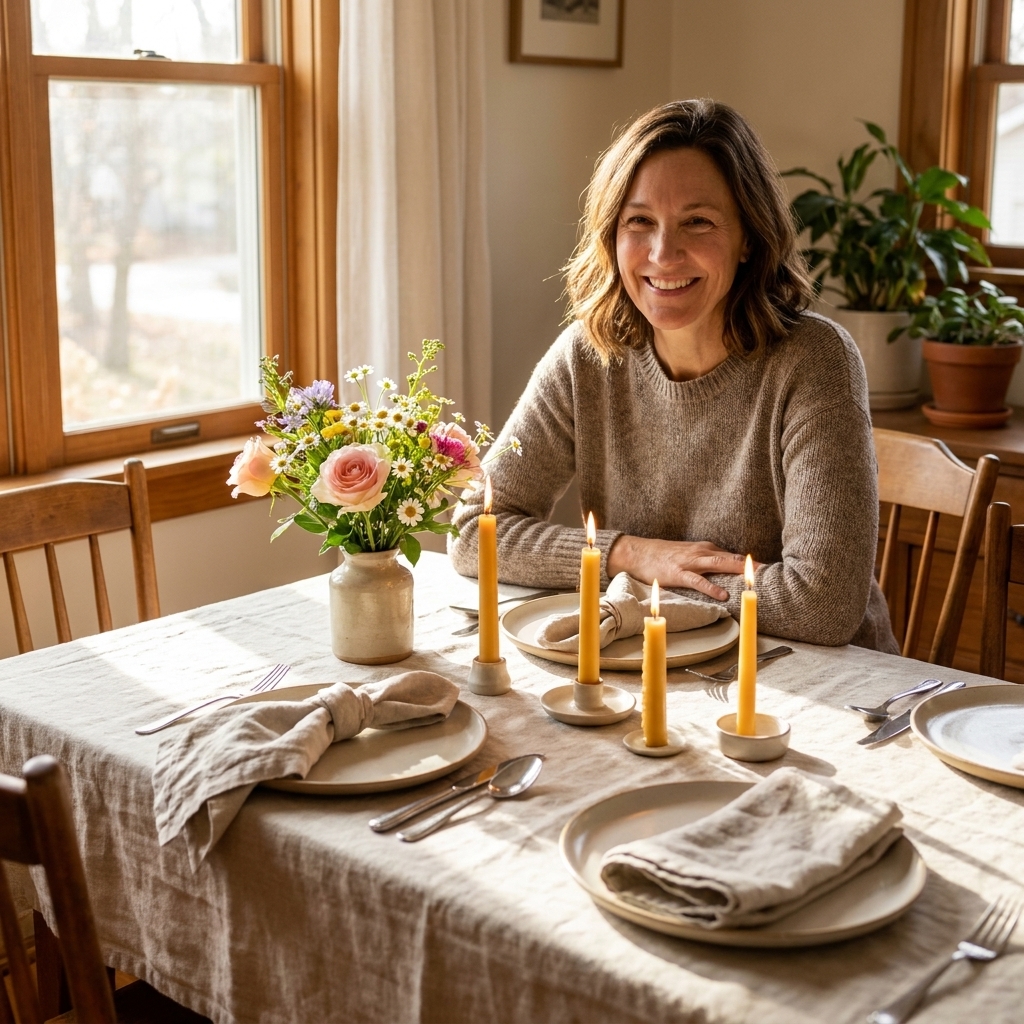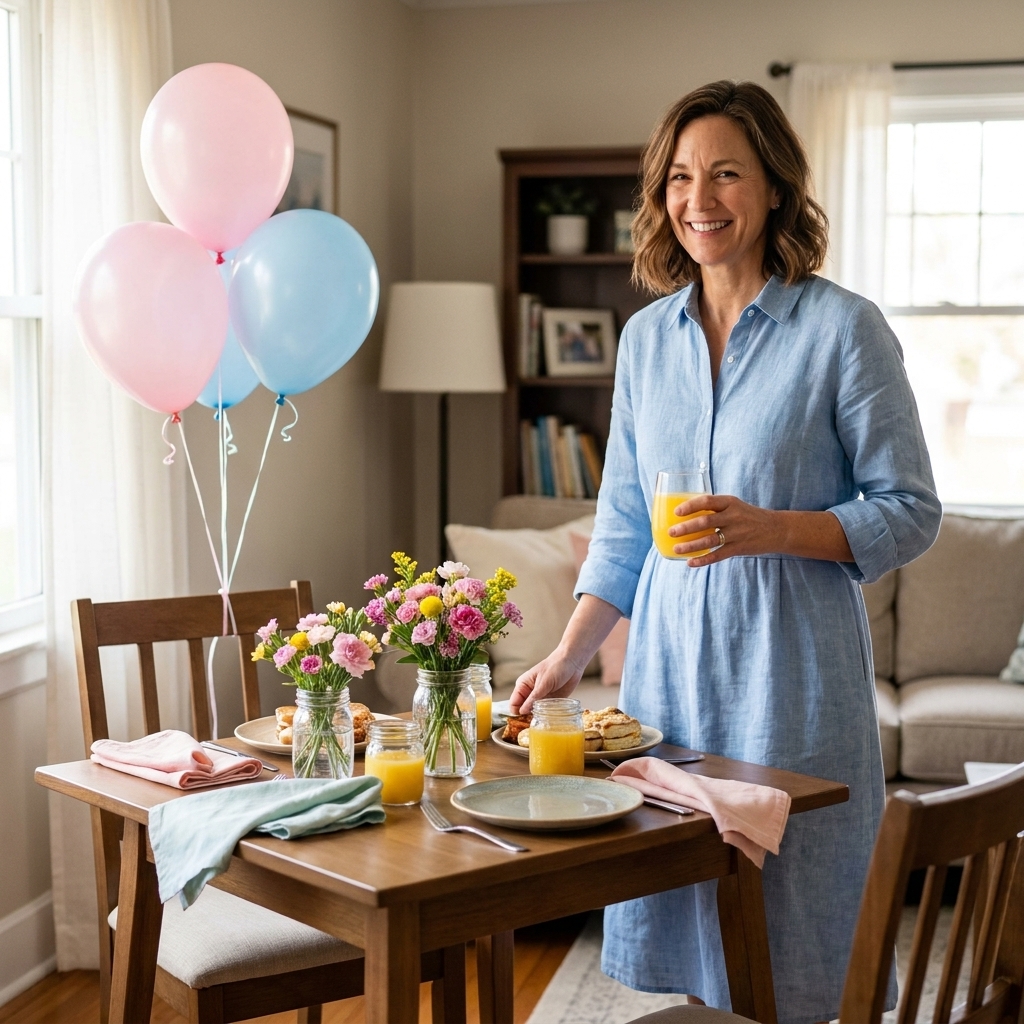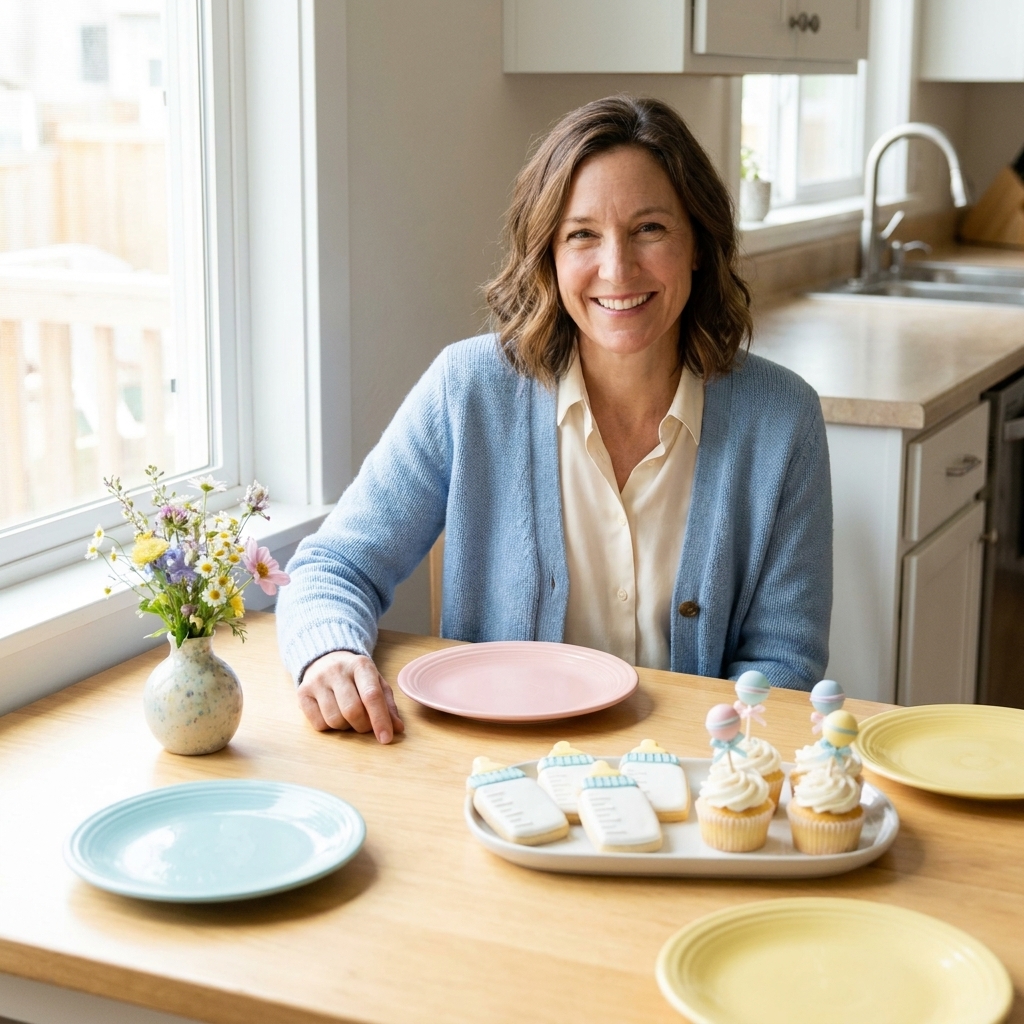
A sip and see is my favorite kind of newborn gathering because it honors the moment without asking you to perform it. Think of it as an open house where loved ones can pop in, toast the new arrival, and head out before anyone gets overtired. Connection over perfection, always.
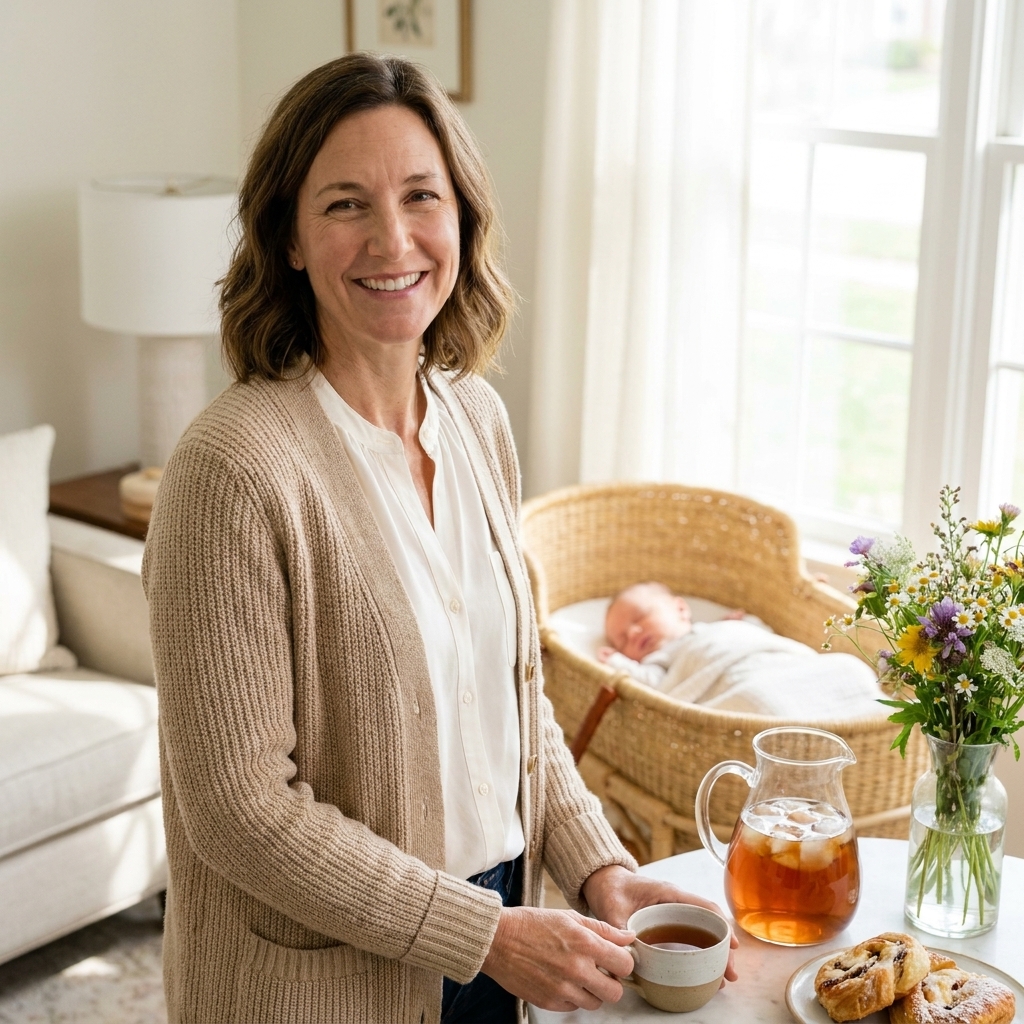
Below is a simple, step-by-step plan to keep the day warm, organized, and genuinely restful for your family.
Choose your format
Before you pick a date, get clear on your version of “easy.” Customs vary by family, region, and culture, so choose what fits your people and your energy. A sip and see can be:
- Drop-in open house (a very common approach): guests come anytime within a set window.
- Small, timed waves: two or three mini time blocks with different groups.
- Front-porch hello: short greetings outside with minimal holding and maximum fresh air.
If you are sleep-deprived or recovering physically, pick the format that protects your bandwidth. This can be simple and still feel special.
Timing: when and how long
A realistic sweet spot
Many families feel best hosting between 4 and 10 weeks postpartum, but there is no gold star for doing it early. If you had a complicated delivery, a NICU stay, postpartum anxiety, or simply a hard season, it is completely reasonable to wait longer.
Keep the window short
For a true open house, aim for 2 to 3 hours. Long enough for people to rotate through, short enough that you can see the finish line.
Pick a baby-friendly time
- Late morning (10:00 a.m. to noon) is often calm and naturally snack-oriented.
- Early afternoon works well if baby tends to nap midday.
- Avoid evenings if witching hour hits your household hard.
Pro tip: set the start time 15 minutes after you actually want it to begin. It gives you breathing room, and early arrivals do not derail you.
Guest list: loving and manageable
You can absolutely include a wide circle, but the goal is steady flow, not a packed house. A good rule: invite the people you would genuinely want to see on a low-energy day.
Ways to reduce overwhelm
- Stagger by group: family one hour, friends the next, neighbors at the end.
- Use RSVP time preferences: ask guests to choose a 45-minute window.
- Cap the total number: especially if you have limited space or a winter baby.
If you have complicated dynamics, structure helps. Clear structure is kindness when emotions run high.
Invites that set expectations
Your invite is your first boundary-setting tool. Keep it warm, simple, and specific. Text or email is perfectly appropriate.
What to include
- Drop-in window: “Stop by anytime between 1:00 and 3:30.”
- What it is: “A casual sip and see to meet the baby.”
- Food note: “Light sips and snacks.” This prevents meal expectations.
- Health note: short and clear.
- Holding preference: optional, but helpful.
Copy-and-paste wording
Option A (classic):
“We would love for you to meet Baby [Name]! Join us for a casual sip and see on [Day], anytime between [Time] and [Time]. We will have light snacks and drinks. Please skip if you are feeling under the weather, and please wash or sanitize hands before holding the baby. Can’t wait to see you.”
Option B (minimal holding):
“Pop by to say hello and help us celebrate Baby [Name], [Time] to [Time]. We are keeping this one low-key, so please plan on a quick visit. We may be limiting baby-passing, but we cannot wait for you to peek in and say hi.”
Boundaries that protect baby
This is what makes a sip and see feel calm. Clear boundaries help guests relax too, because no one is guessing the rules.
Non-negotiables to consider
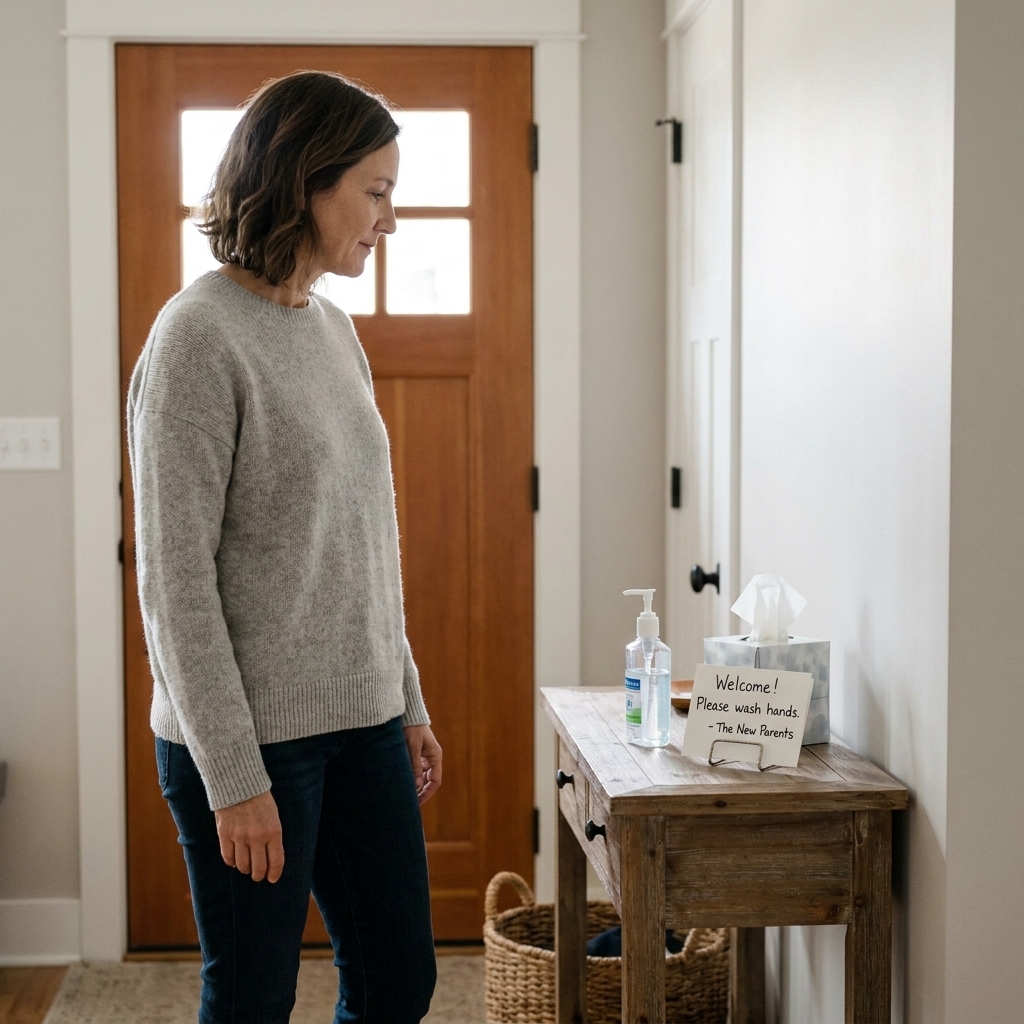
- Clean hands on arrival: handwashing is best when hands are visibly dirty, and sanitizer is great for quick clean-ups at the door.
- No kissing the baby: a common newborn precaution many pediatricians recommend, especially during RSV, flu, and cold season.
- Stay home if sick: normalize it with gratitude, not guilt.
- Ask before holding: especially helpful if you are breastfeeding or baby is sensitive.
- Short visits: you can keep it moving kindly.
Optional: vaccine expectations
If you are considering vaccine requests for close contact, ask your pediatrician what makes sense for your baby and season. Some families request that frequent caregivers or close holders be up to date on Tdap, flu, and COVID. If you choose this, a simple line works: “We are following our pediatrician’s guidance for newborn visits this season.”
Gentle scripts
- “We are doing a no-kissing rule right now, thanks for understanding.”
- “Let’s all wash or sanitize first, then you can say hello.”
- “Baby is staying with me for this stretch, but I would love for you to get a close look.”
- “We are rotating guests today so we can keep things calm for baby.”
If you anticipate pushback, assign a “boundary buddy.” A partner, sibling, or best friend can intercept the awkwardness so you do not have to.
Menu: simple and special
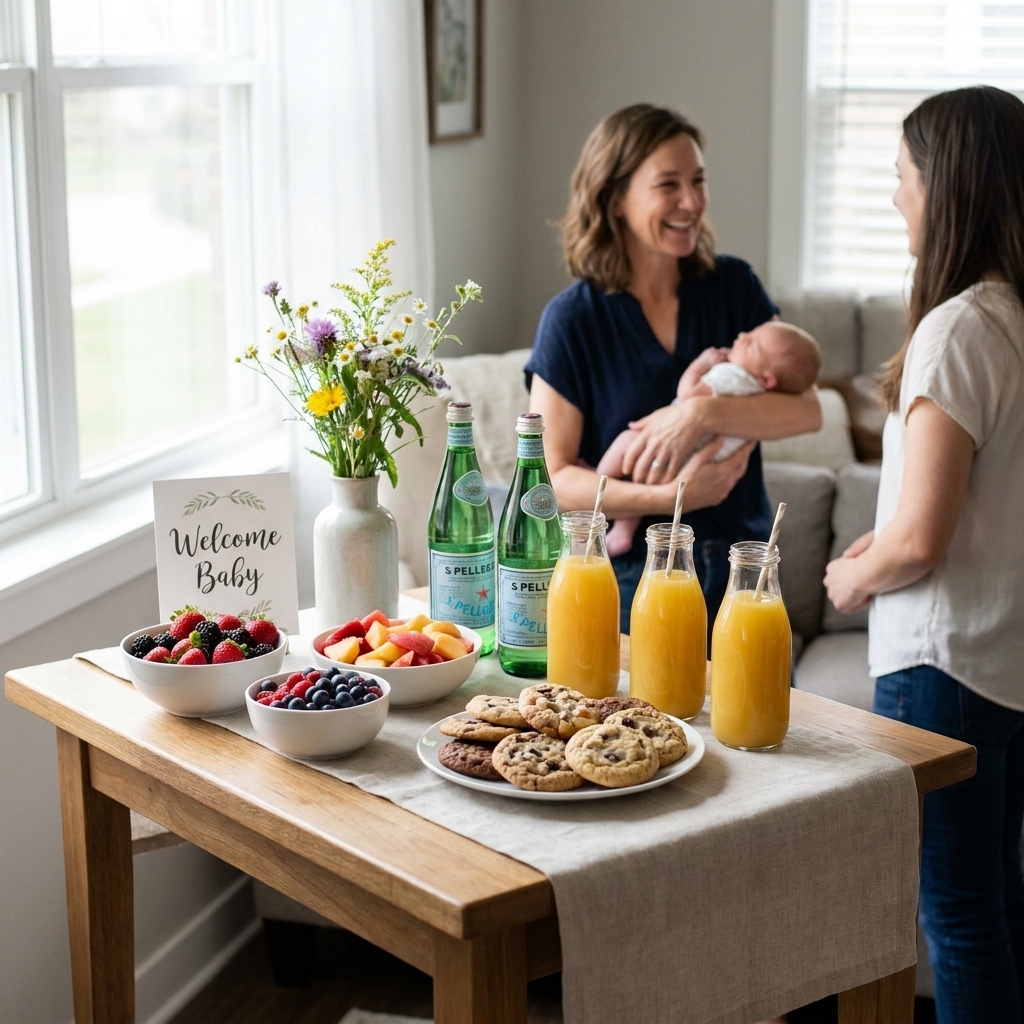
Sip and see food should be one-hand friendly, safe at room temperature, and mostly store-bought or make-ahead. You want to refill, not cook.
Pick one signature sip
- Mocktail: sparkling water + cranberry + lime (pretty and postpartum-friendly).
- Batch iced tea: black tea with lemon, or herbal for caffeine-free.
- Coffee station: carafe coffee, oat milk, half-and-half, simple syrup.
Build a low-effort snack table
Aim for 3 to 5 items total. More choices often means more stress.
- Fruit: grapes, berries, clementines, or a cut fruit tray.
- Something savory: mini quiches, pinwheels, or a hummus and pita tray.
- Something crunchy: pretzels, mixed nuts (label for allergies), crackers.
- Something sweet: bakery cookies, lemon bars, or brownies.
- Something baby-cute (optional): sugar cookies in soft colors, or cupcakes with simple frosting.
My favorite no-cooking grocery list
- 2 large sparkling waters + one juice
- 1 fruit tray
- 1 veggie tray + hummus
- 1 cheese and cracker assortment
- 1 bakery dessert box
- Ice, cups, napkins, and extra trash bags
If anyone asks what they can bring, give them a job that helps: ice, fruit, bagels, a salad kit, paper goods, or a grocery delivery gift card.
Set up for flow
You only need three zones: a place to arrive, a place to snack, and a place to sit. Anything beyond that is optional.
Quick setup checklist
- Entry: hooks for coats, a basket for shoes if that is your home culture, hand sanitizer visible.
- Food and drinks: one table, one trash can nearby, extra napkins underneath.
- Seating: bring in dining chairs, add a couple floor cushions if needed.
- Bathroom: stock soap, a clean hand towel, and toilet paper.
Create a baby station
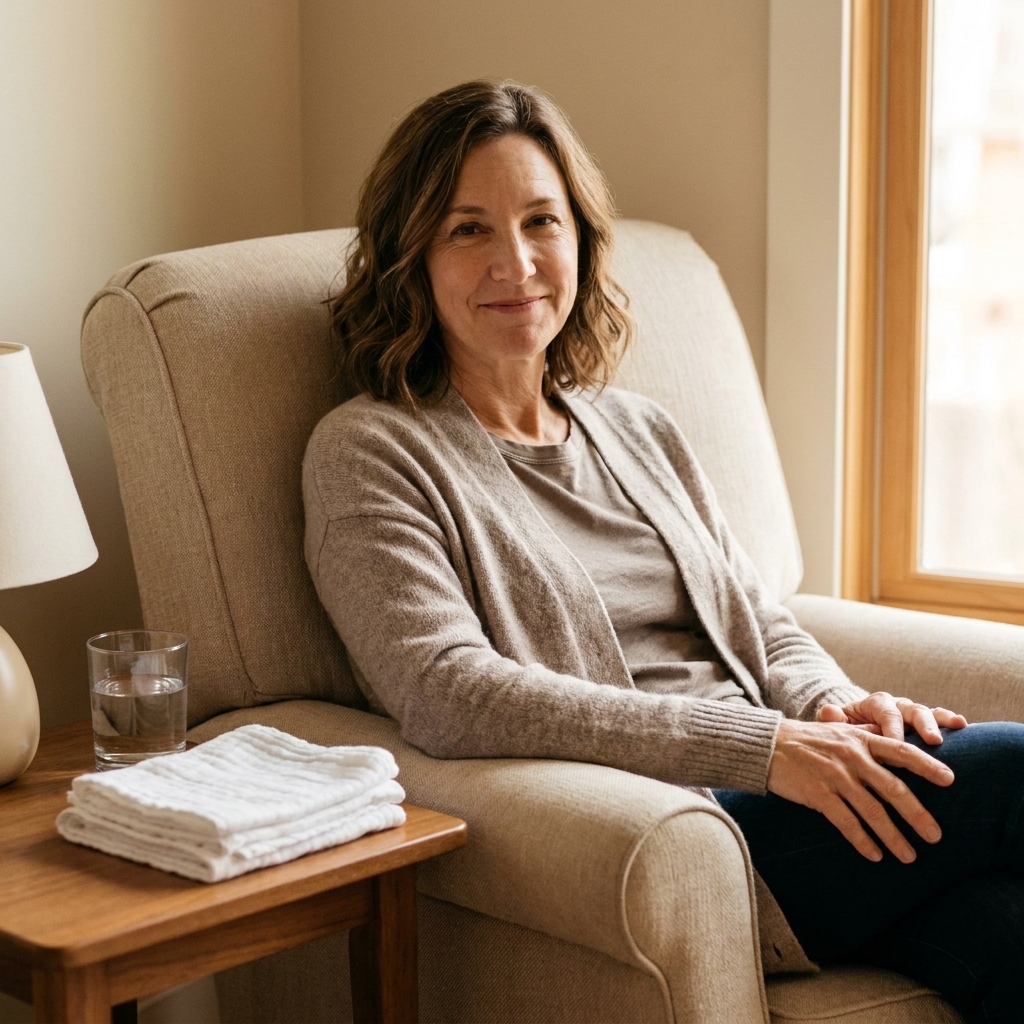
Choose one spot where you can comfortably feed, soothe, or simply retreat. Add water, a burp cloth, and your phone charger. If you need breaks, take them. Guests can chat without you for a few minutes.
Pets, fragrance, and comfort
- Pets: if you have animals, consider a gate or a separate room so greetings stay calm and allergies are easier to manage.
- Fragrance: if baby seems sensitive, it is okay to ask close holders to skip strong perfume or smoke on clothing.
- Accessibility: if there are stairs, limited parking, or a long walk from the curb, add a quick note so guests can plan. A few sturdy chairs with arms helps grandparents and postpartum bodies alike.
Health and comfort
Newborn health guidance varies by family and pediatrician, so follow your own medical advice. You can also make a few optional, common-sense choices that reduce risk without turning your home into a clinic:
- Ventilation: crack windows if weather allows, or run an air purifier in the main room.
- Outdoor hello option: for anyone who prefers it.
- Reduce crowding: encourage a true drop-in flow and shorter visits.
- Masks welcome: without commentary if guests choose to wear one.
It is perfectly okay to say: “We are being extra cautious right now.” A loving guest will respect it.
Day-of timeline
Two hours before
- Feed yourself something real.
- Set out drinks, snacks, and trash can liners.
- Put a burp cloth and hand sanitizer in easy reach.
- Text your boundary buddy your help list.
Thirty minutes before
- Change baby if needed, then dress baby in something comfortable.
- Do a five-minute reset: clear counters, quick bathroom check, lights on.
- Place a small basket near the door for cards.
During
- Let guests serve themselves.
- Accept help when it is offered.
- Take breaks to feed or rest, even if people are mid-conversation.
- When you feel done, you are done.
How to end it
About 10 minutes before the end time, start a soft close:
- “We are going to start winding down soon so baby can rest.”
- “Thank you for coming. We are going to tuck in for a nap after this.”
Gifts and etiquette
Sip and sees are often gift-light, but many guests will bring something anyway because it feels natural. You can steer this kindly.
If you prefer no gifts
Try: “Your visit is the gift. Truly.”
If you are open to practical help
Try: “If you would like to bring something, diapers in any size or a freezer meal would be deeply appreciated.”
Handling uninvited advice
There is always one person who offers an opinion as if it is a casserole. Smile, thank them, and pivot. A simple line: “That’s helpful to know. We are following our pediatrician’s plan right now.”
One meaningful touch
You do not need elaborate decor. Choose one sentimental detail that turns “people stopping by” into “we marked this moment.”
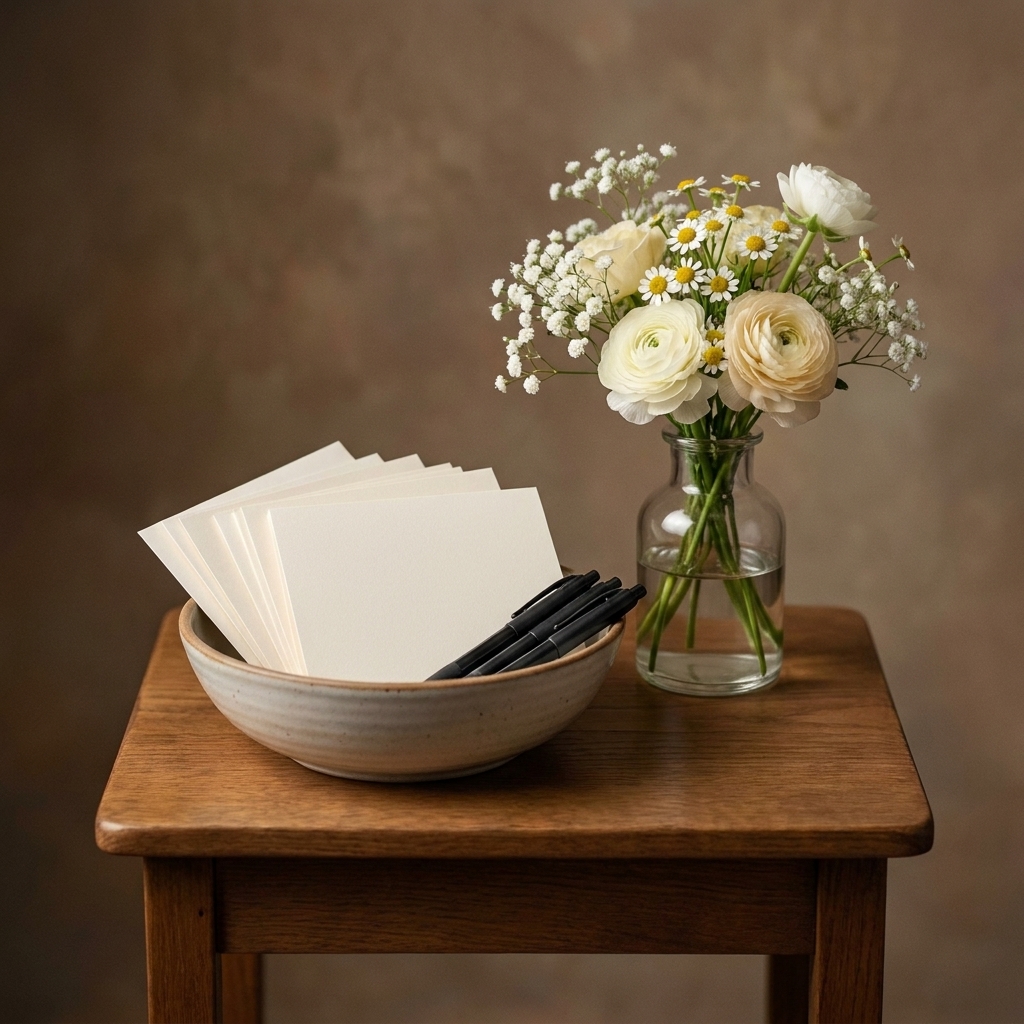
- A simple bud vase on the snack table.
- A photo from the hospital or newborn shoot in a frame.
- A guest book card: “Write a wish for baby.” Drop cards in a box.
- A playlist of calm favorites at low volume.
FAQ
How long should guests stay?
Ideally 20 to 40 minutes. The open-house format is what keeps it from becoming a marathon. If someone lingers, it is okay to say, “We are rotating guests so we can keep things calm for baby.”
What if my baby cries the whole time?
It is normal, and it is not a failure. This is real life with a newborn. Step away to feed or soothe, and let a friend or partner keep the room comfortable.
Can I do a sip and see at a restaurant?
You can, but it is often more stimulating and harder to control for timing, noise, and health boundaries. If you go that route, choose an off-peak time, ask for a semi-private area, and keep it under two hours.
Is it rude to ask people not to hold the baby?
No. You can absolutely host a sip and see that is more “see” than “sip and pass.” A simple line on the invite plus a warm reminder at the door is enough.
Final reminder
The best sip and sees are not the ones with matching serveware. They are the ones where you feel held too. Keep the window short, keep the menu simple, and protect your peace with clear boundaries. Your baby will not remember the day, but your family will remember the feeling.