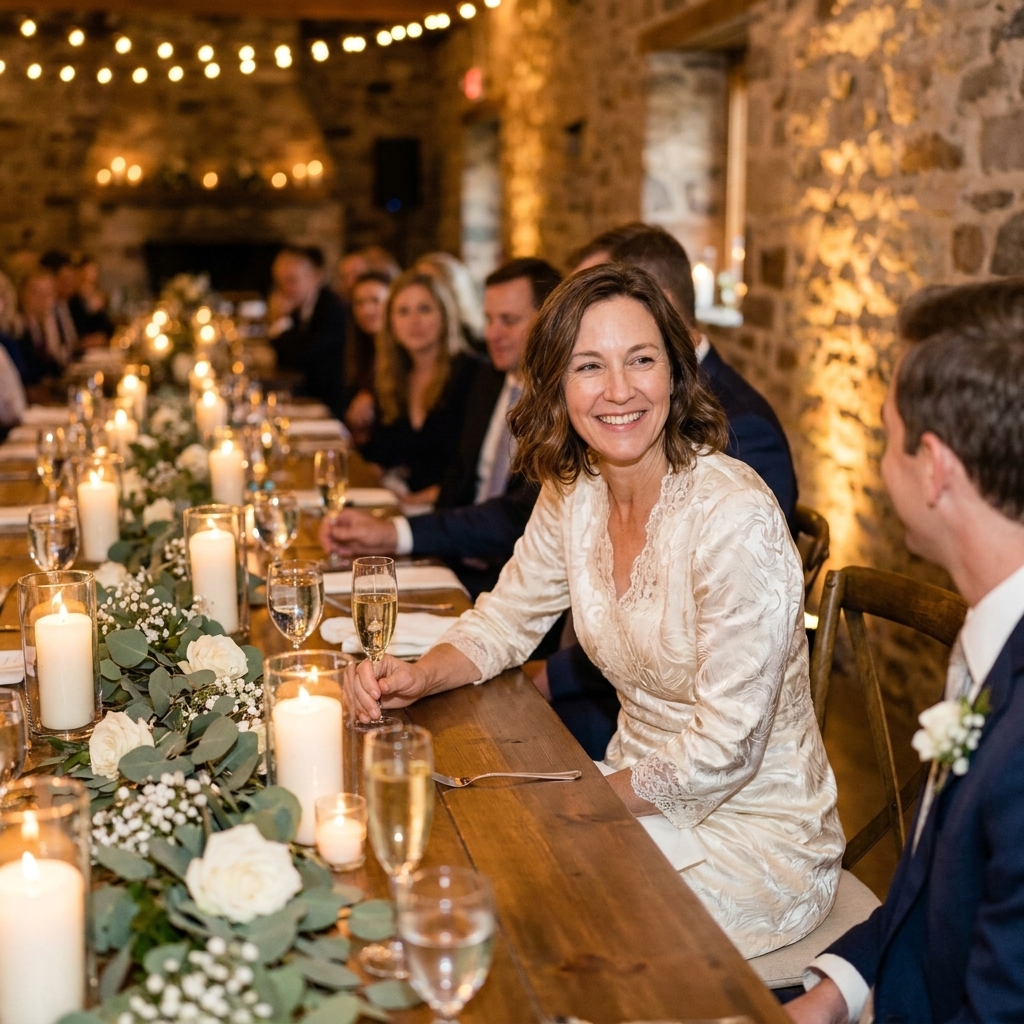
Some homecomings are loud and sparkly. Others are quiet, tender, and best held with two hands and a deep breath. An adoption welcome home celebration can be either, and it can change shape midstream depending on your child’s age, temperament, and story.
My best advice from years of planning intimate milestones is simple: let the celebration match the moment. You are not producing a performance. You are creating a soft landing and a memory your family can return to.
Start with what you are celebrating
In adoption, the “big day” can mean different things. Before you pick a theme or send an invite, choose the focus that feels most true for your family. Timelines can vary widely by state, country, and pathway, so it helps to name the moment you are actually marking.
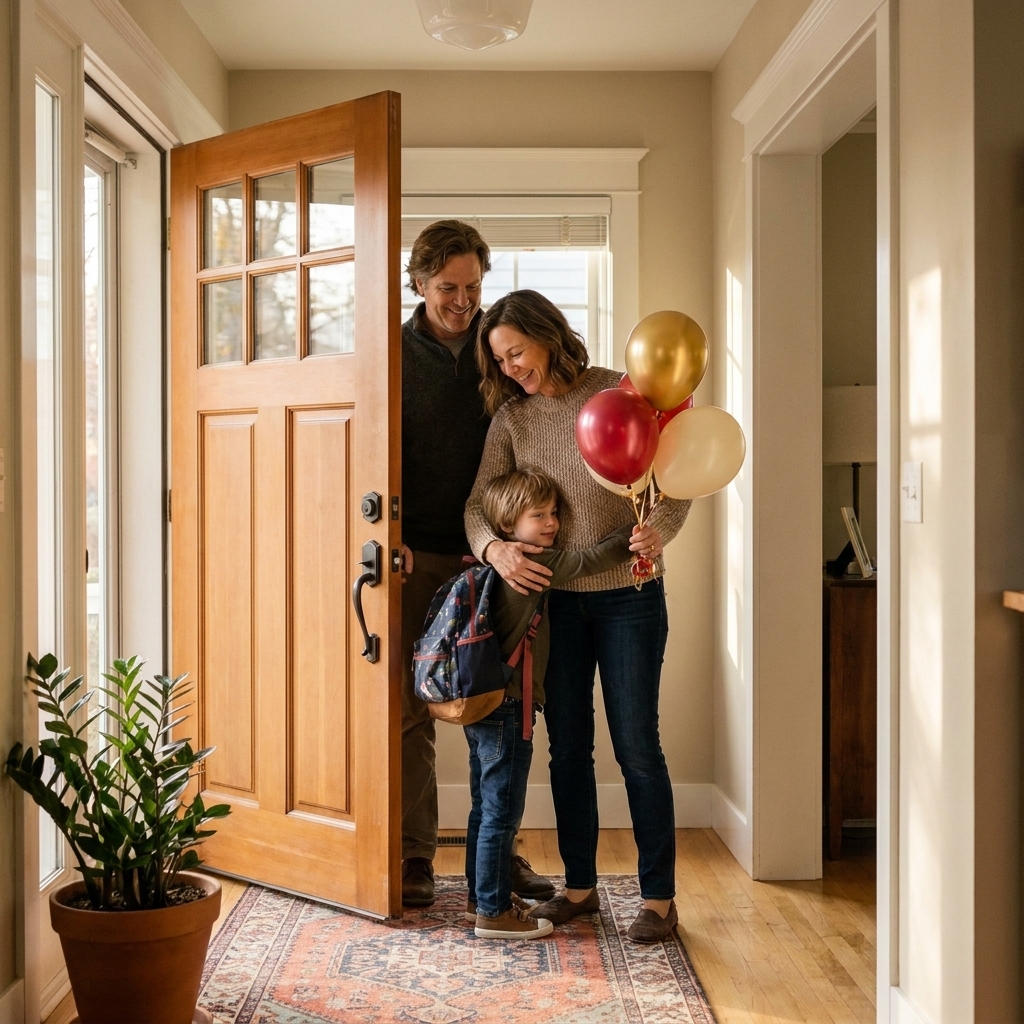
- Welcome home: marking the first day your child arrives to your home, whether that is from another state, another country, foster care, or a local placement.
- Finalization day: honoring the legal milestone, which may come quickly or after a longer wait depending on your case and jurisdiction.
- Family day: a date you choose that feels personal, especially if the official timeline is complicated or private.
If you are unsure which is “right,” you can do both in different ways: a small at-home welcome now, then a broader gathering after finalization when everything feels steadier.
Gentle planning questions
These questions keep the day centered on your child and your family’s comfort. They also help loved ones understand the tone without you having to over-explain.
1) Who is this for?
For a younger child, it might be mostly for the parents and siblings. For an older child or teen, it should be for them, and they should have real choices about what happens, who comes, and what gets shared.
2) What does “celebration” feel like to your child?
Some kids adore attention. Others find it overwhelming or even unsafe to them, especially after big transitions. A meaningful celebration can be:
- a backyard pizza night with two trusted people
- a favorite breakfast and a family movie
- a low-key open house where your child can step away anytime
- a “welcome week” with one small moment each day
3) What details are private?
Decide ahead of time what you will not discuss, including timelines, finances, birth family information, past trauma, or legal details. You can still be warm while keeping boundaries. If you want to make this easier on yourself, set photo and sharing expectations up front too.
Language and invitations
Words matter, especially when you are building a sense of belonging. Aim for language that celebrates your child without centering the process.
Invitation wording ideas
- Welcome home: “We’re so happy to have [Name] home. Join us for a cozy afternoon to celebrate becoming a family.”
- Finalization: “We’re celebrating [Name]’s adoption finalization and would love to share this joyful milestone with you.”
- Low-key: “Stop by for a quick hello and a treat. We’re keeping things simple as we settle in.”
If your child’s name or photo is not something you share publicly yet, keep the invitation private and direct. It is perfectly okay to ask guests not to post on social media.
Privacy and photos
Privacy is not secrecy. It is protection. In some situations, especially foster care or other complex cases, you may also have agency, court, or case guidelines about photos, locations, and what can be shared. When in doubt, check first, then plan your boundaries so you can relax on the day.
A simple social media boundary you can copy-paste
“We’re keeping photos and details offline for now. Thank you for celebrating with us and helping us protect [Name]’s privacy.”
If you want extra clarity, you can add one more line: “Please do not tag us, post our address, or share photos of kids without asking.”
Choose a format
Here are three celebration formats I’ve seen work beautifully, with built-in flexibility. Pick one that gives your child the most control and your family the most breathing room.
Option A: A short hello hour
Length: 60 to 90 minutes. Best for: toddlers, kids who tire quickly, families who want boundaries.
- Set a clear start and end time.
- Keep food simple and familiar.
- Have a calm space your child can retreat to.
Option B: A come-and-go open house
Length: 2 to 3 hours with staggered arrivals. Best for: larger circles, lots of out-of-town friends.
- Give guests suggested arrival windows so you avoid a crowd surge.
- Set up a self-serve drink station to reduce hosting pressure.
- Use name tags for guests if your child is meeting many people at once.
Option C: A private ritual now, gathering later
Length: a meaningful 30 minutes now, party later. Best for: international travel fatigue, complex transitions, older kids who prefer privacy.
- Do a family-only dinner and a small keepsake.
- Host friends and extended family weeks later, when routines feel safer.
Once you know the format, the rest gets simpler. Think of decor, food, and activities as quiet support, not the main event.
Decor that fits
Skip anything that turns your child into a theme. Your goal is “You belong here,” not “Look what happened.” The most meaningful decor is often the quietest.
Decor ideas that center belonging
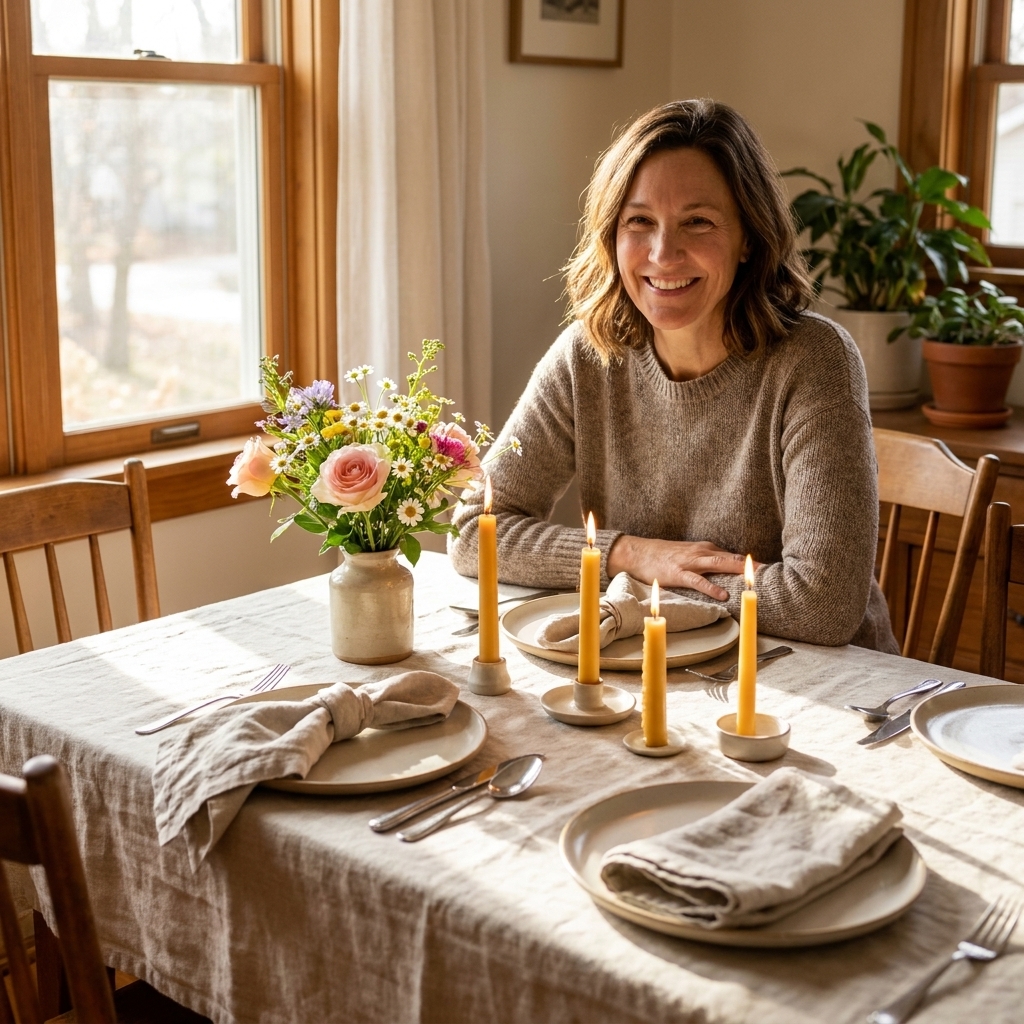
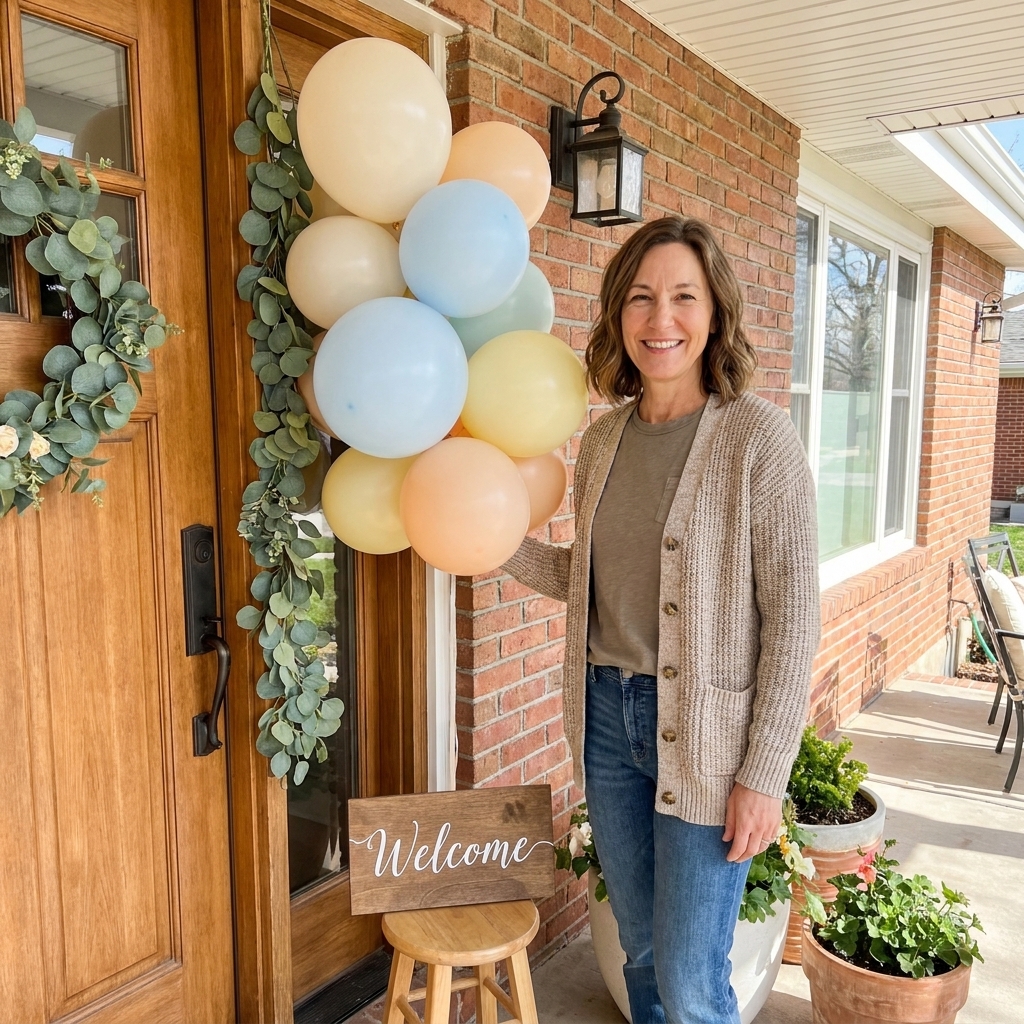
- Warm, homey touches: fresh flowers, a cozy throw on the couch, candles (battery is fine), soft lighting.
- Color story: choose 2 to 3 colors pulled from your home or your child’s favorite colors, rather than adoption-specific symbols.
- Welcome sign: “Welcome home, [Name]” or “So glad you’re here.”
- Photo-friendly corner: a simple backdrop like a tidy porch or a sunlit wall, so photos feel natural.
If you do want symbolic elements, keep them subtle and child-approved: a small banner, a single balloon cluster, or a table centerpiece that can be removed quickly if it becomes too much.
Food first
New family routines can be tender, and food can be both comforting and triggering depending on a child’s history. Keep the menu familiar, easy, and flexible.
Low-stress menu formulas
- Taco bar: warm tortillas, mild and spicy options, simple toppings.
- Pasta + salad: two sauces, gluten-free pasta option if needed.
- Brunch board: bagels, fruit, yogurt, eggs, pastries.
- Soup and grilled cheese: cozy and budget-friendly, great for winter.
Tips that reduce pressure
- Plan at least one “safe food” your child already likes.
- Use labels for allergens without making it a big production.
- Serve buffet-style so kids can control what goes on their plate.
- Consider individual desserts like cookies or cupcakes for easy portioning.
If you are unsure what will feel comfortable, simple is your friend. You can always add more later, but it is hard to subtract stimulation once it is in the room.
Gentle activities
The sweetest activities are the ones that invite connection without forcing interaction. Think optional, hands-on, and easy to step away from.
Meaningful activity ideas
- “Wishes for our family” cards: guests write a short wish or encouragement. Keep prompts general, like “A hope I have for you…”
- Fingerprint or handprint art: if your child enjoys sensory activities. Have wipes ready and a quick exit option.
- Family recipe sharing: ask guests to bring a favorite recipe card. This builds a sense of community without spotlighting your child.
- Photo scavenger list: for older kids: “Find something blue,” “Take a photo of something cozy.” It keeps hands busy and nerves calm.
- Storytime corner: a blanket, a basket of books, and one trusted adult reading softly.
A note on “timeline” crafts: I generally avoid anything that requires sharing the child’s past publicly. If you want a keepsake, do it privately as a family, at your pace.

Gifts
Some families love gifts. Others want the focus to be calm and attachment-centered. Either choice is valid.
If you want to welcome gifts
- Suggest practical items in the right size and developmental stage.
- Ask for books with inscriptions, family memberships (zoo, children’s museum), or meal delivery.
- For older kids, consider a gift card to choose their own comfort items.
If you prefer no gifts
Try: “Your presence is a gift. If you’d like to do something, a card with a kind note means the most.”
A gentle caution
Avoid gifts that highlight adoption as a novelty. If someone asks about “adoption-themed” items, redirect warmly: “We’re keeping it simple and focusing on things [Name] loves right now.”
Help guests show up well
Most people mean well. They just do not always know what to say, what to ask, or what not to share. A little guidance goes a long way.
A note you can include
- “Please avoid questions about timelines or paperwork.”
- “We’re not sharing details of [Name]’s story today.”
- “Please ask before hugging or picking up kids.”
- “We’re keeping photos private for now.”
Phrases to avoid
If it helps your guests, you can gently steer away from language like:
- “Who are their real parents?”
- “You’re so lucky” (to the child)
- “Gotcha day” (if your family dislikes it)
- comments about resemblance that put pressure on belonging
You can replace all of the above with simple warmth: “We’re so glad you’re here,” “It’s good to see you,” “Welcome home.”
Sensory comfort matters
Many kids do best with fewer sensory surprises. Consider keeping music low, lighting soft, scents minimal, and the guest list small enough that your child can find you easily. A calm corner with headphones, fidgets, or a favorite blanket can be a quiet lifesaver.
Scripts for awkward moments
When someone asks personal questions: “We’re keeping those details just for our family, but we’re so grateful you’re here to celebrate.”
When someone says something clumsy but well-meant: “We’re focusing on making today feel safe and happy for [Name].”
When your child needs a break: “We’re going to take a quiet moment. We’ll be back when we’re ready.”
Connection is always more important than perfection. If the plan needs to change in real time, that is not a failure. That is parenting.
A simple timeline
Two to four weeks before
- Choose your format and guest list.
- Ask your child (if age-appropriate) what would feel good.
- Set privacy boundaries and decide on photos.
- Plan food and one optional activity.
- If relevant, check in with your child’s caseworker, therapist, or support team about any guidelines or helpful accommodations.
One week before
- Confirm start and end times.
- Prep a calm corner with books, headphones, or favorite toys.
- Shop for simple decor and pantry staples.
The day before
- Set up the drink station and serveware.
- Do anything you can in advance: chop fruit, pre-make dessert, tidy the entryway.
- Put extra trash bags, wipes, and paper towels where you can grab them fast.
Day of
- Keep the first hour of the day slow.
- Assign one trusted person as a buffer who can greet guests, run interference, and help end the party on time.
- Take a few photos early, then put the phone away.
Meaningful keepsakes
Choose something that you will actually revisit.
- A family letter: write a note to your child about this season and tuck it away for the future.
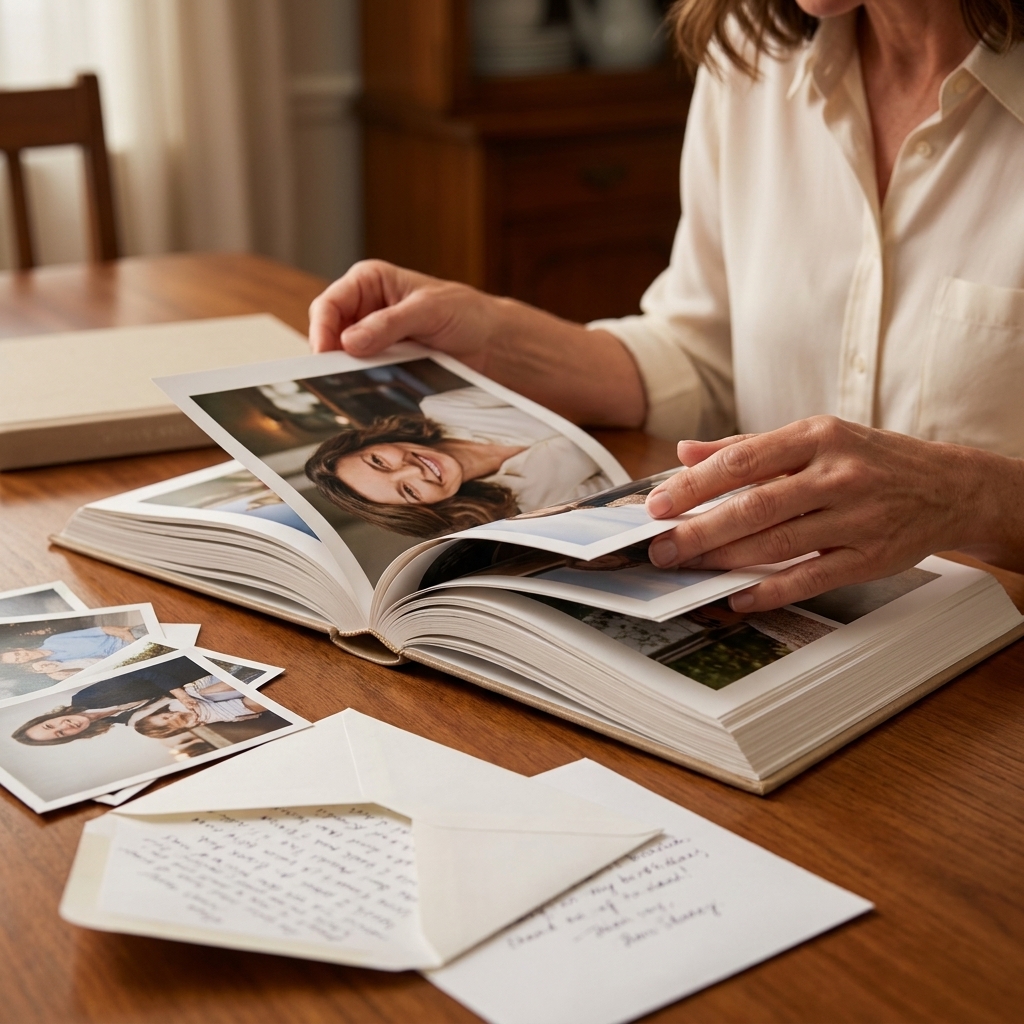
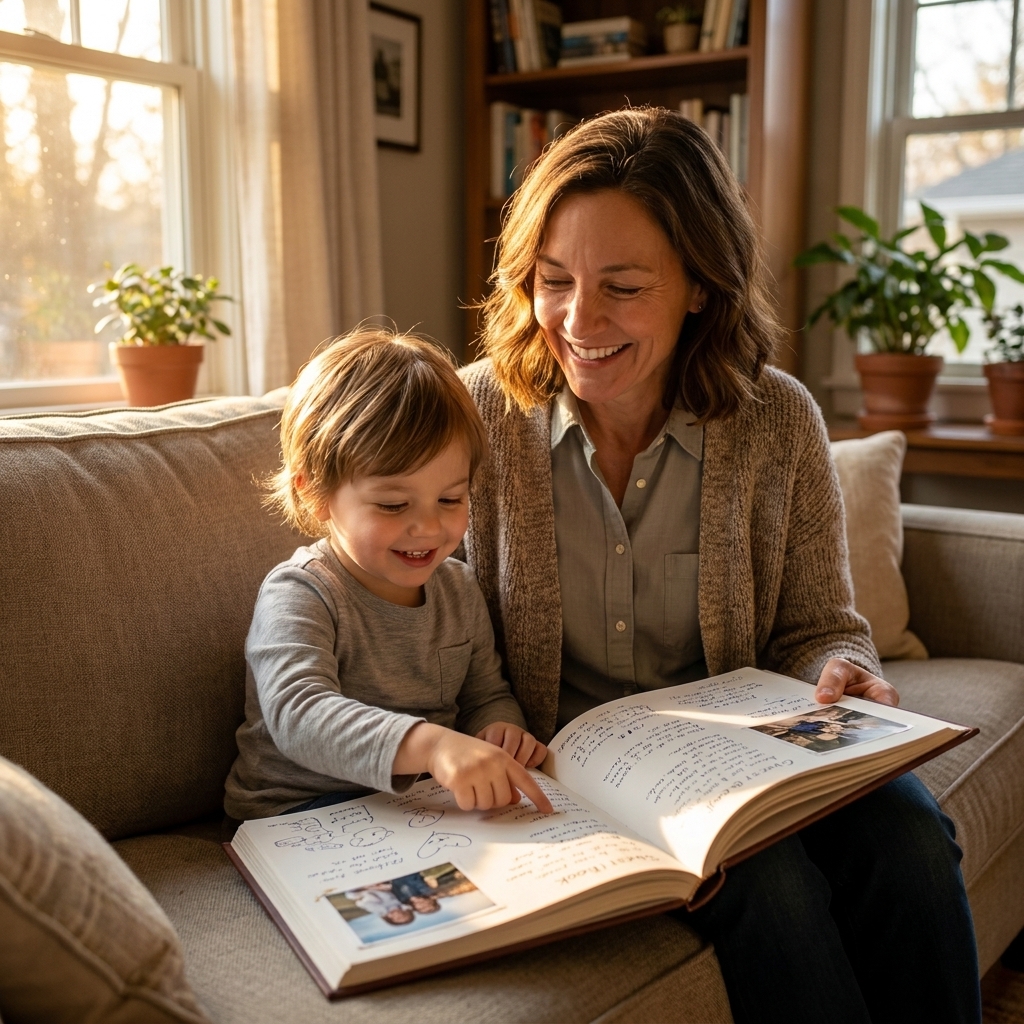
- A welcome home book: a guestbook with short messages and a few printed photos after the fact.
- A special object: a quilt, a framed photo of your home, a piece of jewelry, or a small charm that marks the day.
- A yearly ritual: pancakes every Family Day, a hike, a picnic, or a volunteer tradition as a family.
By age and stage
Babies and toddlers
- Keep it short and schedule around naps.
- Limit passing the child around. You can say, “We’re keeping cuddles with parents today.”
- Have a white-noise machine and a quiet room ready.
School-aged kids
- Offer choices: a game table, craft station, outdoor play.
- Introduce guests slowly, especially if your child is shy.
- Let them opt into photos.
Teens
- Ask what they want to call the event, or if they want one at all.
- Keep it small and dignified, like dinner at a favorite restaurant or a backyard hang.
- Do not pressure hugs or speeches. Respect is the love language here.
Transracial and cross-cultural adoptions
If your family includes multiple cultures, be thoughtful about representation. Celebrate your child’s culture as something living and ongoing, not a party accessory. Music, food, and stories from trusted community members can be meaningful when done with genuine relationship and respect.
FAQ
Is it okay to throw a party before finalization?
Often, yes, as long as it feels emotionally safe and appropriate for your situation. Many families choose a small welcome home moment first, then a bigger celebration after finalization for peace of mind and privacy. If you are in foster care or have agency or court guidelines, check those first, especially around photos and location sharing.
What if our child does not want a celebration?
Honor that. You can still mark the day privately with a family ritual, a special meal, or a keepsake. The goal is belonging, not an event.
Should we include the word “adoption” on decor?
Only if it feels right to your child and your family. Many families prefer language like “Welcome home” or “Our family day” to keep the focus on connection.
What is an appropriate way to handle questions from guests?
Set a boundary once, kindly, and then redirect. You do not owe anyone your child’s history. A simple “We’re keeping those details private” is both polite and protective.
A final note
If you remember one thing, let it be this: the most meaningful welcome is the one that protects your child’s dignity and gives your family room to breathe. A celebration can be a doorway, not a spotlight. Soft music, familiar food, a few safe people, and time together is more than enough.