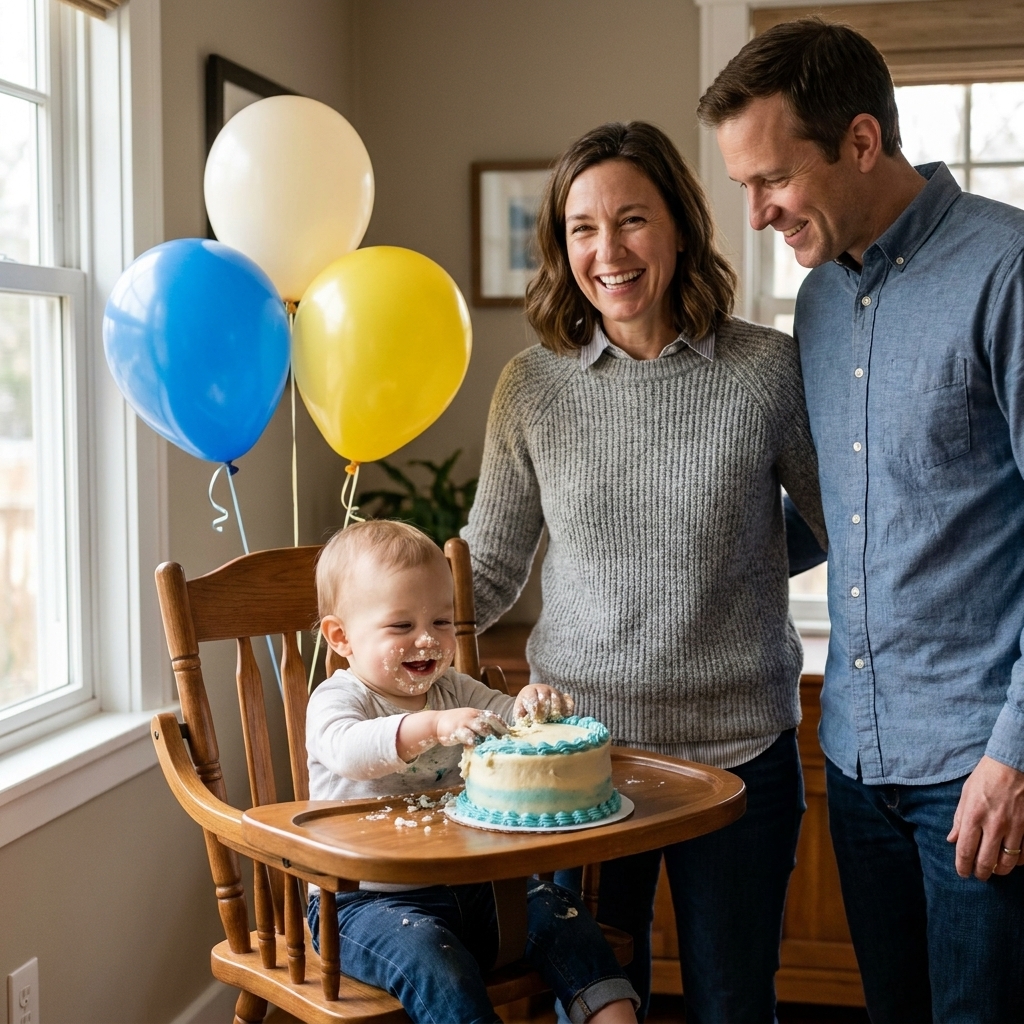
There is something tender and brave about introducing your baby to the people who will love them for life. Whether you were raised with a faith tradition, are building a new one, or are somewhere in between, the big question often becomes: do we plan a baptism, a naming ceremony, or something that borrows from both?
As a former event planner, I have seen families make this choice in every season of belief and belonging. Here is the comforting truth: the “right” welcoming event is the one that feels honest to your values and gentle on your family dynamics. Let’s walk through the differences, what each typically includes, and how to plan a day that feels meaningful rather than performative.
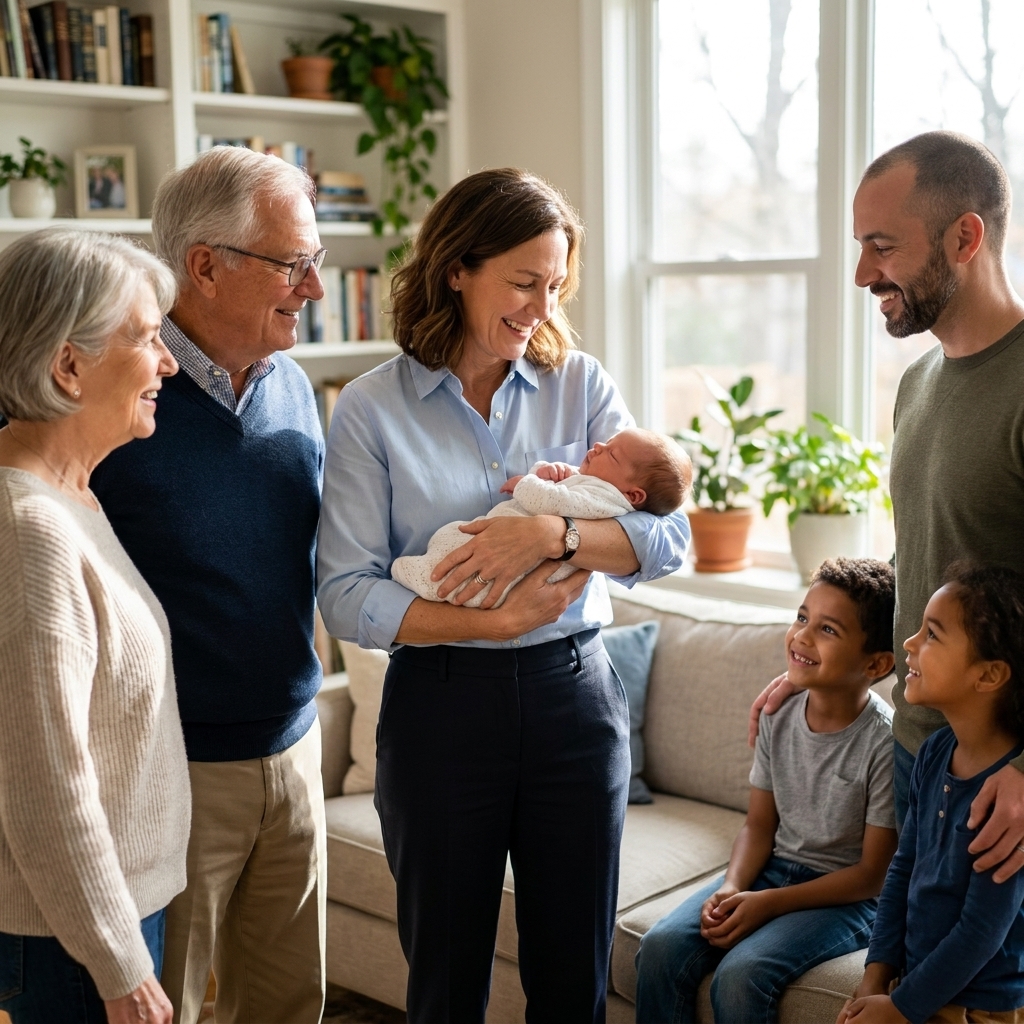
The core difference
What a baptism is
A baptism is a religious sacrament (or ordinance) or rite practiced in many Christian traditions. While details vary by denomination, baptism generally marks a person’s welcome into the faith community and may symbolize cleansing, rebirth, or a commitment to Christian life.
- Led by: clergy (priest, pastor, minister) in a church or other Christian worship setting
- Meaning: spiritual and communal, rooted in tradition and church teaching
- Water: typically central (sprinkling, pouring, or immersion depending on tradition)
- Community: often includes formal promises by parents and sometimes godparents
A quick note for baby planning: not all Christian churches baptize infants. Some practice believer’s baptism, meaning baptism happens later, when the person can make their own profession of faith. If you are specifically planning for a baby, your church’s tradition matters here.
What a naming ceremony is
A naming ceremony is a secular welcoming celebration that centers on your child’s name, identity, and the community you want around them. It can be spiritual in a broad sense, but it is not tied to a specific religion unless you choose to incorporate elements.
- Led by: a celebrant, officiant, friend, or family member
- Meaning: personal, values-based, family-defined
- Ritual: optional and customizable (candles, readings, vows, symbolic gestures)
- Community: often includes “guideparents” or supporting adults, but titles and promises are flexible
One practical clarity point: naming ceremonies are typically ceremonial and do not change a child’s legal name on their own. If you are doing a legal name change, that usually happens separately through your local government process.
How to choose
If you are feeling torn, you are not alone. Many modern families are balancing personal belief, extended family expectations, and a sincere desire to give a child roots without forcing certainty.
Choose a baptism if...
- Your family actively practices a Christian faith and wants the sacrament’s or ordinance’s religious meaning.
- You want your child formally welcomed into a church community.
- You value continuity with your own upbringing or extended family tradition.
- You are comfortable with the promises and theology required by your denomination.
Choose a naming ceremony if...
- You are not religious, are interfaith, or prefer a non-doctrinal event.
- You want to celebrate your child’s name, story, and values in your own words.
- You want flexibility on location, format, and who participates.
- You want to honor multiple backgrounds without centering one faith.
Consider a blended approach if...
- One parent is religious and the other is not, and you want a respectful compromise.
- You want a baptism for spiritual reasons and a separate, more personal gathering for friends and family.
- You want a secular ceremony that includes light spiritual touches, like an inclusive blessing or prayer.
Connection is always more important than perfection. The goal is not to craft the “ideal” ceremony on paper, but to create a moment your family can stand inside with integrity.
What happens
Typical baptism order
Every church has its own rhythm, but many baptisms include:
- Welcome and opening prayers
- Scripture reading and brief message
- Parents’ and godparents’ promises (wording varies)
- Baptism with water and the child’s full name
- Blessing and, in some traditions, anointing
- Presentation to the congregation
- Certificate or church record
Some denominations offer baptisms during a regular service. Others schedule a private or small-group ceremony.
Typical naming ceremony order
Naming ceremonies are wonderfully adaptable. A common structure looks like:
- Welcome and why you gathered
- The story behind the child’s name
- Readings, poems, or family remarks
- Parents’ vows and community promises
- Recognition of supporting adults (guideparents, mentors, aunties, uncles)
- A symbolic ritual (optional)
- Closing words and a toast
If you want a simple starting point, here is a short opening you can borrow:
“Thank you for being here to welcome [Baby’s Name]. Today is about love, belonging, and the people who will help raise this child into who they already are. We are not here for a perfect program. We are here to make a promise: you are held.”
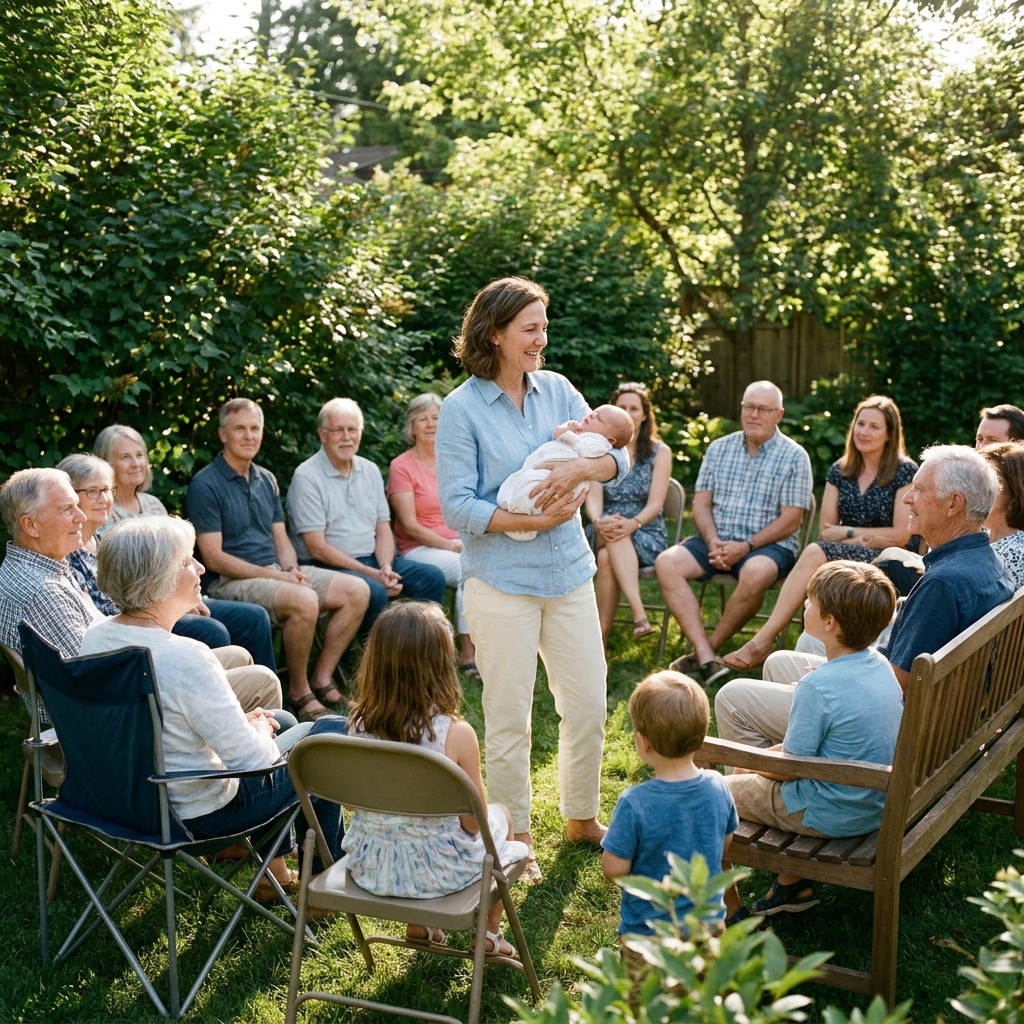
Planning a baptism
1) Start with the church
Church calendars, required classes, and clergy availability determine the timeline. Before you book a brunch room, confirm:
- Date and time options
- Paperwork needed (sometimes birth certificate, parent membership info, and similar)
- Godparent requirements, which can vary widely by denomination, parish, and pastor (some require baptism, confirmation, or active membership)
- Any required meetings or classes for parents and godparents
2) Choose godparents thoughtfully
In many traditions, godparents are more than honorary titles. They may be expected to support the child’s faith formation and meet church eligibility requirements. If you want to honor someone who cannot serve in an official role, consider inviting them to do a reading or share a blessing at the reception.
3) Confirm etiquette and dress expectations
- Outfit: baptism gowns are common, but many families choose heirloom pieces or simple white outfits.
- Guests: clarify whether the ceremony occurs during a public service and how many seats you can reasonably reserve.
- Photos: ask what is allowed during the baptism itself. Some churches restrict flash or limit photographer movement.
4) Keep the reception simple
My favorite baptism receptions are relaxed: a brunch, a lunch, or cake and coffee at home. Plan for:
- A short menu that can sit at room temperature
- A small dessert moment (cake, cupcakes, or cookies)
- A guestbook or card basket
- A quiet place for feeding, changing, and decompressing
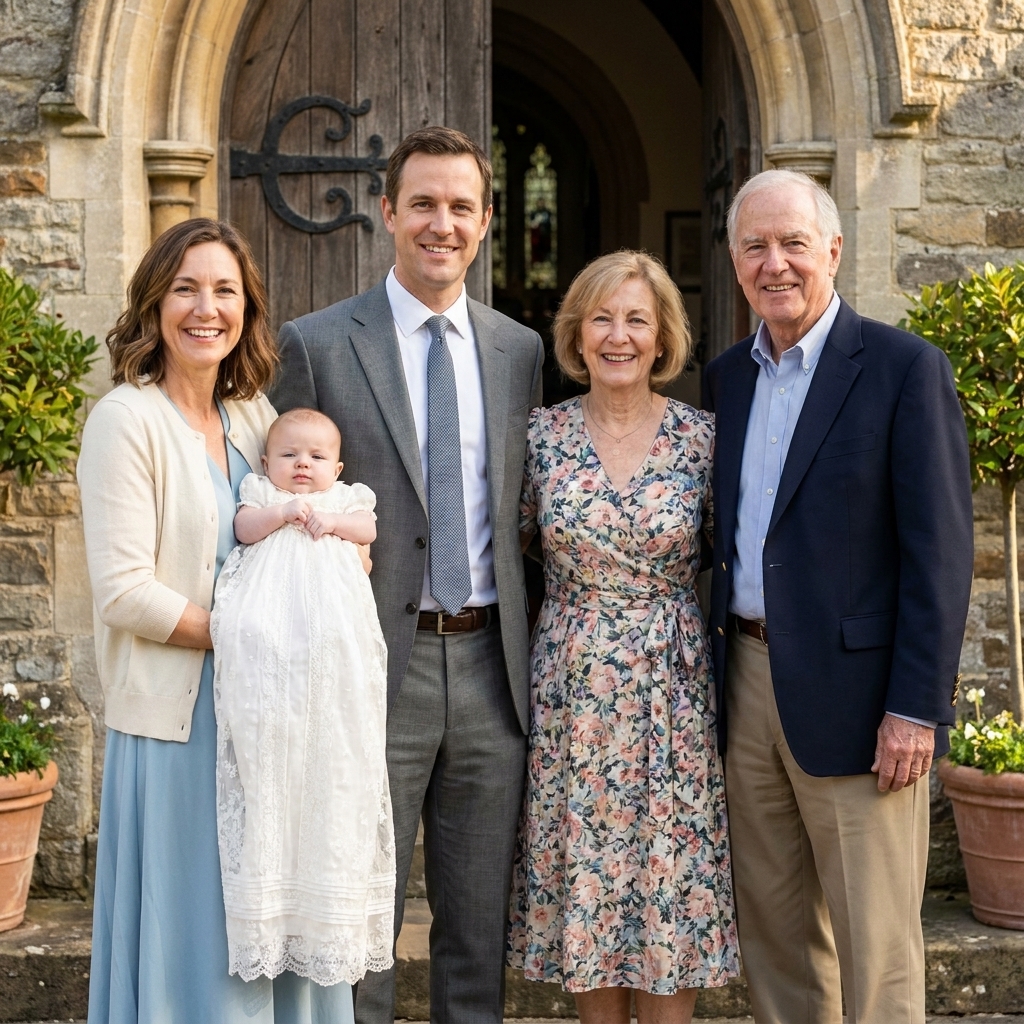
Planning a naming ceremony
1) Choose the tone and setting
Ask yourself: do you want “Sunday best and speeches,” or “picnic blanket and happy tears”? Naming ceremonies work beautifully in:
- Your living room
- A backyard or park shelter (check permit rules)
- A rented private room at a restaurant
- A botanical garden or small event space
2) Pick an officiant who can hold the room
This can be a professional celebrant, a close friend, or a grandparent with a steady voice. The job is simple: guide the flow, keep it on time, and set a respectful tone so the moment does not feel like a performance.
3) Write promises that sound like you
You do not need lofty language. You need honesty. Consider promises that reflect your values, such as:
- “We promise to make home a safe place to tell the truth.”
- “We promise to teach you kindness, and also boundaries.”
- “We promise to keep showing up, especially when it is hard.”
For the community, a simple call-and-response works beautifully: “Will you love, support, and encourage this child and their parents?” “We will.”
4) Choose one simple ritual
Ritual adds texture, but too many symbols can feel busy. Choose one that fits your family. Options:
- Candle lighting: parents light a candle, then supporting adults light theirs from the same flame.
- Hand blessing: close family places a hand on the baby or on the parents’ shoulders (with consent and comfort in mind).
- Time capsule letters: guests bring a note for the child to open at 18.
- Planting: plant a small tree or flowering shrub at home as a living marker of the day.
5) Plan the celebration like a cozy gathering
After the ceremony, keep it easy: a light meal, cake, a toast, and time to mingle. Babies do not do well with marathon timelines.

Guests and dynamics
Sometimes the real decision is not theological. It is relational.
If you worry about disappointing religious relatives
- Lead with respect: “We know baptism is meaningful to you. We have chosen a naming ceremony because it reflects where we are right now.”
- Offer a role: invite them to do a reading, share a blessing, or host a meal afterward.
- Hold your boundary kindly: avoid debating beliefs. Repeat your decision calmly.
If you are doing a baptism mainly to keep peace
Only you can weigh that. If you do choose a baptism, be sure you can make the required promises with integrity. If you cannot, consider alternatives: a naming ceremony now, and leaving future religious participation open for your child to choose later.
If you are interfaith
Some families host two separate rituals. Others create a naming ceremony that honors both backgrounds with inclusive blessings and readings. If you are considering a baptism alongside another faith tradition, have direct conversations with both communities early, as requirements can be strict.
If your family does not fit the “standard” script
Single parents, adoptive parents, blended families, queer families, and guardians often find naming ceremonies especially flexible, but either option can be handled with care. A small planning tip: share preferred titles and language with your officiant ahead of time (parent, guardian, bonus parent, grandparent, and so on) so everyone is honored correctly.
Timing and cost
When to host
- Baptism: in infant-baptism traditions, it is often within the first year. In believer’s baptism traditions, it may happen later, when the person chooses it.
- Naming ceremony: anytime you like. Many families choose 2 to 6 months, or wait until the baby is more settled.
Budget ranges
- Baptism: church donation or fee (varies), outfit, reception food, photography, travel for family.
- Naming ceremony: venue, officiant fee (if hiring), rentals, food, simple decor, photography.
The best budget tip I know is to invest in what people will feel: a comfortable space, enough food, and time to connect.
Accessibility considerations
If you have older relatives or guests with disabilities, a few small choices can change everything: step-free entry when possible, a chair near the front, a short ceremony (15 to 30 minutes is the sweet spot), and a plan for hearing support (speaking clearly, using a small microphone outdoors, and printing readings if that helps).
Photography
For either event, a professional is wonderful, but not required. If you are keeping it small, assign one reliable friend to capture key moments and ask them to focus on faces, not centerpieces.
Meaningful details
Words to include
- Your child’s full name and why you chose it
- A short wish for the kind of life you hope they will have
- Gratitude for the people who are supporting you
Music ideas
- Instrumental lullabies
- Gentle acoustic songs
- A meaningful hymn (if appropriate)
Favors without clutter
- A printed photo from the day mailed later with a thank you note
- A small cookie or local treat wrapped simply
- A tiny packet of wildflower seeds (especially lovely for spring)
FAQ
Can you do both?
Yes. Many families do a baptism for religious community and a separate naming ceremony or reception that feels more personal and inclusive. Keep the messaging clear so guests understand what each gathering represents.
Is a naming ceremony the same as a christening?
People sometimes use “christening” casually to mean “naming,” but traditionally a christening is Christian and often connected with baptism. In many communities, the “christening” is the naming that happens within the baptism service. If you are planning a secular event, “naming ceremony” is the clearest term.
Do you need godparents for a naming ceremony?
No. You can choose “guideparents,” “mentors,” or simply invite special adults to make a promise of support. The beauty is that you define the role.
What should we wear?
Wear what matches the setting and makes you feel like yourselves. For a church baptism, lean modest and classic. For a naming ceremony, choose comfortable elevated outfits that photograph well and allow for baby-related realities.
How long should it be?
A sweet spot is 15 to 30 minutes. Any longer and the baby will likely decide to co-lead the program.
A gentle way to choose
If you are still unsure, try this: imagine your child as a teenager asking, “Why did you do that ceremony for me?”
If you can answer with steadiness and love, you are on the right track. Whether you choose a baptism, a naming ceremony, or a blend, your baby is not measuring your centerpieces or your wording. They are being surrounded by people who showed up. That is the welcome that lasts.