Eighteen can feel like a small earthquake. One day you are reminding them to pack lunch, and the next you may be talking about voter registration, work schedules, college leases, and “adult” decisions that suddenly carry weight.
When I planned milestone parties, the celebrations people remembered most were not the balloon arches or the fancy desserts. They were the rituals. The moment someone stood up and spoke with love. The keepsake that got tucked away and found again years later. The quiet tradition that said, You belong here, and we trust you with what comes next.
Below are 18 meaningful traditions you can start for your child’s 18th birthday. Choose one, choose three, or build a full day around a few. Connection is always more important than perfection. And meaningful does not have to mean expensive. Some of the best rituals cost nothing at all.

Before you pick traditions
A quick planner note from someone who has seen a lot of beautiful intentions go sideways: select traditions that match your teen’s personality. The most meaningful ritual in the world will flop if it feels performative or overly public for a private kid.
- Keep it opt-in. Let them approve anything that involves reading aloud, social media, or guests.
- Choose one anchor moment. Pick the single ritual that matters most, then build the day around it.
- Plan for emotional range. Eighteen can bring pride, grief, excitement, and nerves. Make space for all of it.
- Make it accessible. A walk and a conversation, a few handwritten notes, or a playlist can carry just as much meaning as a catered dinner.
18 meaningful traditions
1) Open a childhood time capsule
If you made one when they were little, this is your moment. If you did not, create a “retro capsule” by gathering a few small items from each phase: a favorite board book, a team photo, a concert ticket, a baby bracelet, a note from a teacher.
Make it work: Set aside 30 minutes, cue up a playlist from their childhood, and let them decide what stays, what gets photographed, and what gets tucked back away.
2) Write 18 letters for 18 years
Sentimental, but also practical. Ask 6 to 12 loved ones to write short letters, then you add the rest. Each letter highlights a year of their life, a character trait, or a shared memory.
- Prompt: “One thing I loved about you at age ___ was…”
- Packaging idea: Put them in numbered envelopes in a simple keepsake box.
- Long-distance friendly: Invite people to email a letter or record a short video message if they cannot be there.
3) Start a birthday morning “first words” ritual
Before phones, before gifts, before the day fills up, share a few sentences that set the tone. Keep it consistent year after year: a hug, a short message, and one intention for their next trip around the sun.
Example: “Today we celebrate who you are, not just what you do. One thing I hope you feel this year is steady confidence.”
4) Create a “life binder” together
Not glamorous, wildly loving. Spend an hour assembling a binder or shared digital folder with essentials:
- ID and records: birth certificate location, Social Security card (or your local equivalent), passport info
- Medical: allergies, medications, immunizations, primary care and dentist info, insurance cards
- School and work: key documents, transcripts (if relevant), reference contacts
- Money basics: a simple budget template and a list of recurring bills
- Emergency: contacts, preferred hospital, roadside help info
Security note: For account access, do not store passwords in plain text. Use a reputable password manager and set up emergency access or a secure sharing method you both understand.
Make it a tradition: Update it together every birthday. It becomes a quiet annual check-in on independence.
5) Pass down a family heirloom, with its story
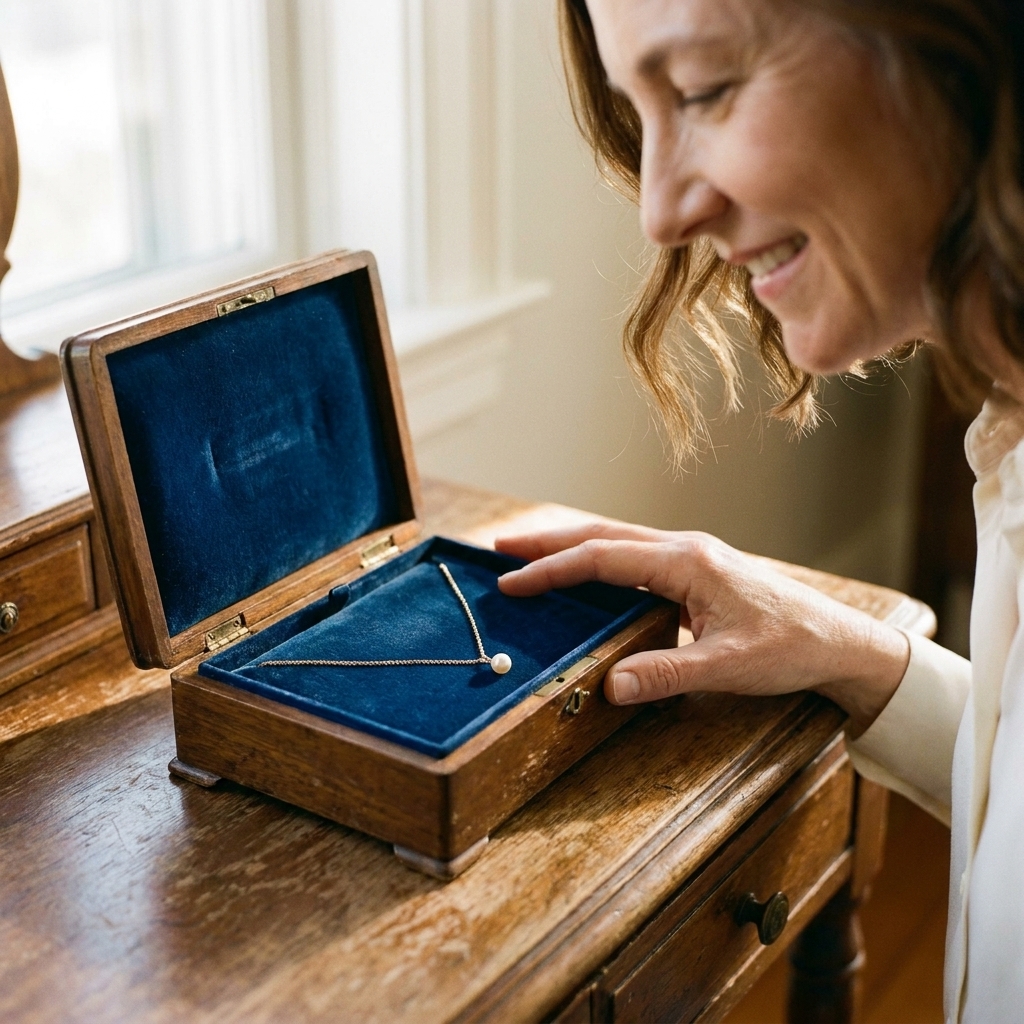
Heirlooms mean nothing without context. Whether it is a watch, a recipe card, a quilt, or vintage cufflinks, pair the handoff with the “why.” Who owned it. What it survived. What you hope it reminds them of.
Tip: Print a one-page “provenance note” and tuck it into the box so the story never gets lost.

6) Host a “Circle of Blessing”
This can be spiritual or simply heartfelt. Gather a small circle of the people who have loved them well. Each person offers one short sentiment: a hope, a strength they see, a thank you.
- Structure: Keep it to 60 seconds per person.
- Boundary: No teasing stories that embarrass them, unless they request it.
- Blended family option: If it helps, do two smaller circles or invite people to share by video so no one feels left out.
7) Give 18 roses or 18 notes of affirmation
If flowers feel too formal, do 18 handwritten notes instead. Each one highlights a specific quality: “You are brave when…” is more powerful than “You are brave.” Specificity is love.
Low-stress display: Clip the notes to a string with mini clothespins across a doorway or stair rail.
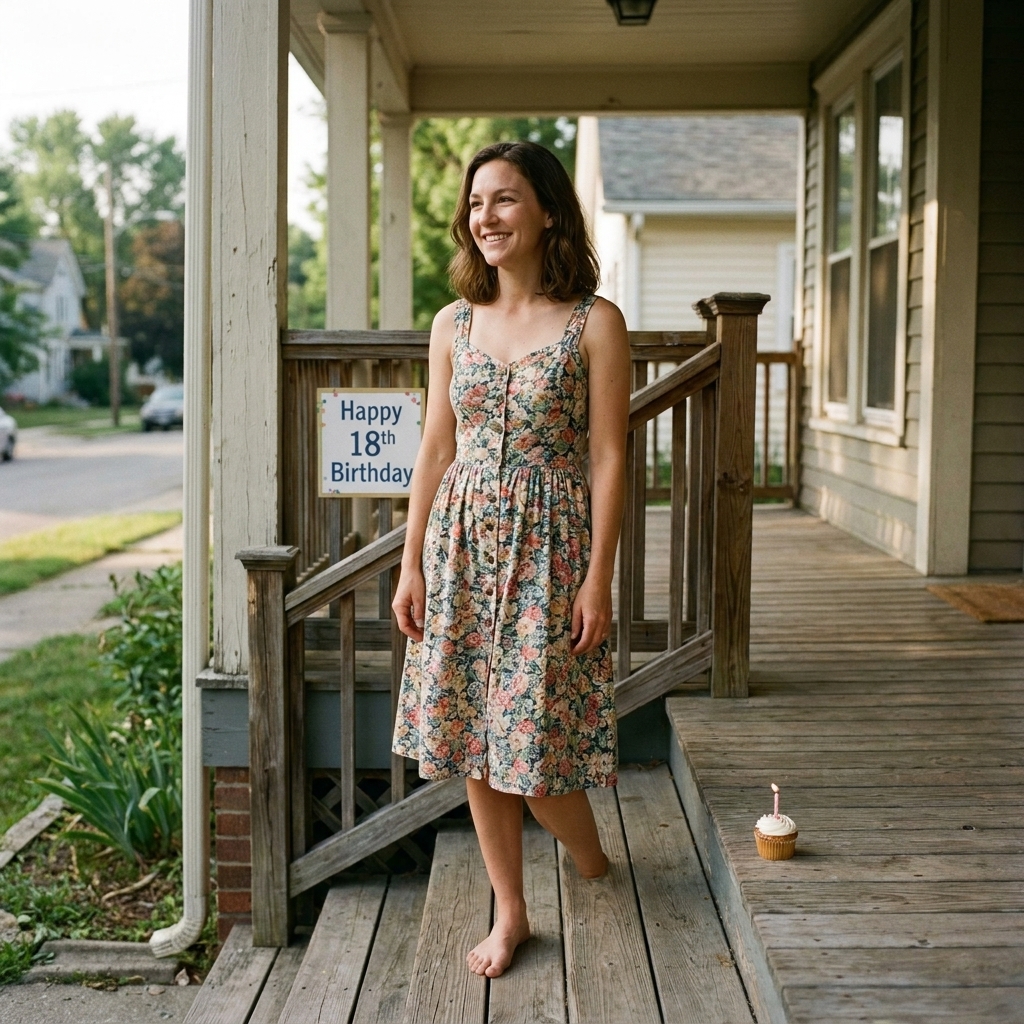
8) Take the “18th birthday portrait” in the same spot every year
Choose a porch step, a favorite tree, a kitchen doorway. The tradition is not the perfect photo, it is the continuity. Over time, it becomes a visual story of becoming.
Make it easy: Same location, same time of day, one photo. Done.
9) Share an “18 things we love about you” book
Create a small photo book with one page per “thing.” Add a snapshot, a sentence, and a date. Invite siblings, grandparents, coaches, and chosen family to contribute.
Shortcut: Use a shared online form to collect messages, then paste them into a template.
Budget version: Skip printing and make a simple digital album, or do 18 index cards tied with ribbon.
10) Cook their “birthday menu timeline”
Recreate a few favorite foods from different eras: the mac and cheese phase, the sushi obsession, the late-night pancake years. Food is memory you can taste.
- Plan: Pick 3 items, not 18.
- Bonus: Include one family recipe and teach it hands-on.
11) The first “adult table” seat
If your family does big holidays, designate a symbolic shift: at the next major gathering, they sit at the adult table or host one course. It is simple, but it signals trust and belonging.
Keep it kind: Pair the seat change with support, not pressure. “We are glad you’re here” lands better than “Now you’re an adult.”
12) A “future letters” set for ages 21, 25, and 30
Write three letters now. Seal them and label when to open them. Include encouragement, a few practical reminders, and a snapshot of who they are at 18.
What to include: a printed photo, a favorite recipe, a small article or poem, and a note about what you hope they remember when life feels loud.
13) Plan one meaningful service hour together
Coming-of-age is also about becoming part of the wider world. Volunteer together in a way that fits them: an animal shelter shift, a park cleanup, a community pantry.
Tradition idea: Do the same service activity every year, then grab lunch after and talk about the year ahead.
14) Gift a “starter kit” with a life skill lesson
Instead of more stuff, give one well-chosen kit and teach the skill: a basic tool set plus how to hang a shelf, a sewing kit plus how to fix a button, a fire extinguisher plus how to use it.
- Best kits: car emergency kit, renter’s basics, simple home first-aid, cookware essentials.
- Budget tip: Thrift stores and buy-nothing groups can cover a lot of the basics, especially kitchen gear.
15) Set up a “grown-up dinner” with conversation cards
One candle, their favorite meal, and a few questions that go deeper than small talk. This is especially lovely for teens who do not want a big party.
- Ask: “What do you want more of this year?” “What do you want less of?” “What kind of friend do you want to be?”
- Rule: Everyone answers, including parents.
16) Do a family “values reflection”
Choose three family values to name out loud: kindness, courage, curiosity, faith, humor, honesty. Share one example of how they already live each value, then invite them to add their own.
Why it works: It honors character, not achievements. And it feels different from the Circle of Blessing because it is a focused, family-led moment rather than many people speaking.
17) Create an 18th birthday “playlist capsule”
Ask them to pick 18 songs that define this season of life. You add 3 to 5 songs that remind you of them or of your hopes for them. Save it with the date and revisit it every birthday.
Long-distance option: Build it as a collaborative playlist so siblings and faraway friends can add a song and a short note.

18) The midnight “welcome to 18” moment
This is small, but it sticks. Right at midnight or first thing in the morning, offer a simple ritual: a hug, a short blessing, and one sentence of trust.
Try: “I believe in you, and you do not have to have it all figured out to be worthy of love.”
How to choose the right one
If you are feeling stuck, use this quick match-up:
- Sentimental and private: future letters, playlist capsule, time capsule, life binder.
- Outgoing and social: Circle of Blessing, 18 notes of affirmation, “18 things we love about you” book.
- Practical and independent: starter kit with lesson, life binder, heirloom with provenance note.
- Values-driven: service hour, values reflection, grown-up dinner conversation.
And if you choose only one thing, choose the one that says, clearly: We see you. We’re proud of you. You’re not doing this alone.
Simple low-stress timeline
- 2 to 3 weeks out: Pick 1 to 3 traditions. Invite any letter writers or Circle of Blessing speakers.
- 1 week out: Gather supplies (envelopes, keepsake box, photo prints). Confirm time and place, including any video call details for long-distance family.
- Day before: Prep food, charge phone/camera, set a 10-minute buffer before the main ritual.
- Day of: Do the anchor moment early, before the day gets busy.
FAQ
What can you do besides a party?
A meaningful ritual can be the whole celebration: a family dinner with a Circle of Blessing, opening a time capsule, writing future letters, or doing a service activity together followed by lunch. The best alternative is one that fits your child’s comfort level and your real-life budget.
Should parents give a speech?
Only if your child is comfortable with it. If they are, keep it short and specific. Aim for 2 to 3 minutes, one story that shows their character, and one clear message of trust and love.
What is a good keepsake?
A small heirloom with its story, a box of letters from loved ones, a photo book of “18 things we love about you,” or a sealed set of future letters for ages 21, 25, and 30 all age beautifully and do not end up in a junk drawer.