There are few moments that feel as quietly monumental as the day someone becomes a citizen. It is paperwork, yes. It is also belonging, hard-won hope, and a brand-new chapter with a very full heart. A citizenship celebration party does not need to be big to be unforgettable. It just needs to be intentional.
Below is the exact approach I use when I help families celebrate milestone transitions: start with meaning, build a plan, and let connection do the heavy lifting. Perfection is not the goal. Honoring the journey is.
Start with what they want to feel
Before you pick a menu or a color palette, ask the guest of honor one simple question: How do you want this to feel? Proud and patriotic? Tender and reflective? Big and joyful? Quiet and close-knit?
If you are planning as a surprise, ask a spouse, sibling, or best friend. For many new citizens, there can be complicated emotions mixed in with the joy, including grief for distance from family, long waits, or difficult chapters. A good party makes room for all of it without putting anyone on the spot.
A quick “meaning map” you can use
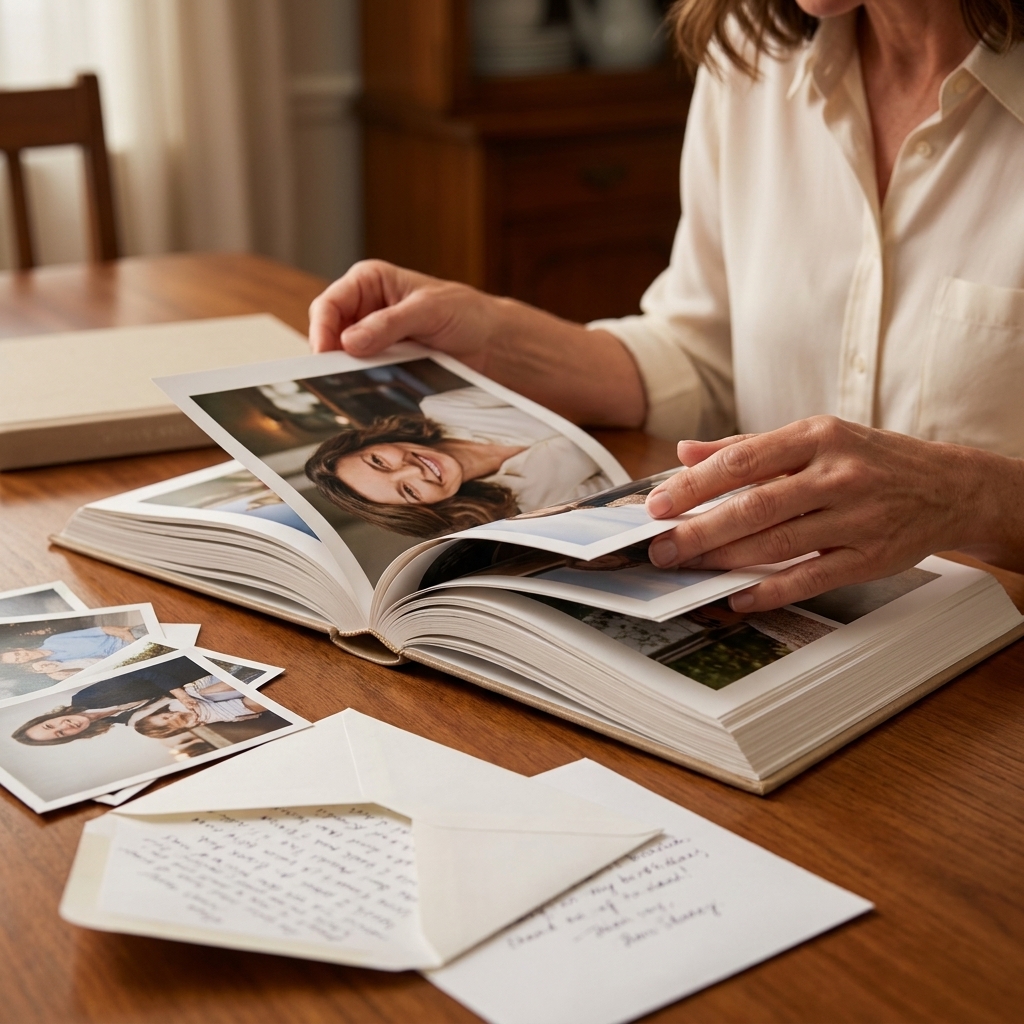
- Honor the journey: a short toast, a photo table, or a few printed memories
- Honor the culture they carry: favorite foods, music, or a tradition from their country of origin
- Honor the new beginning: a small flag moment, a community-style meal, or a welcome-home feeling
Choose a format that fits
Citizenship celebrations work beautifully in a few reliable formats. Pick the one that matches the person, the guest list, and your capacity.
Easy formats (all excellent)
- Post-ceremony brunch: light, upbeat, and perfect for daytime schedules
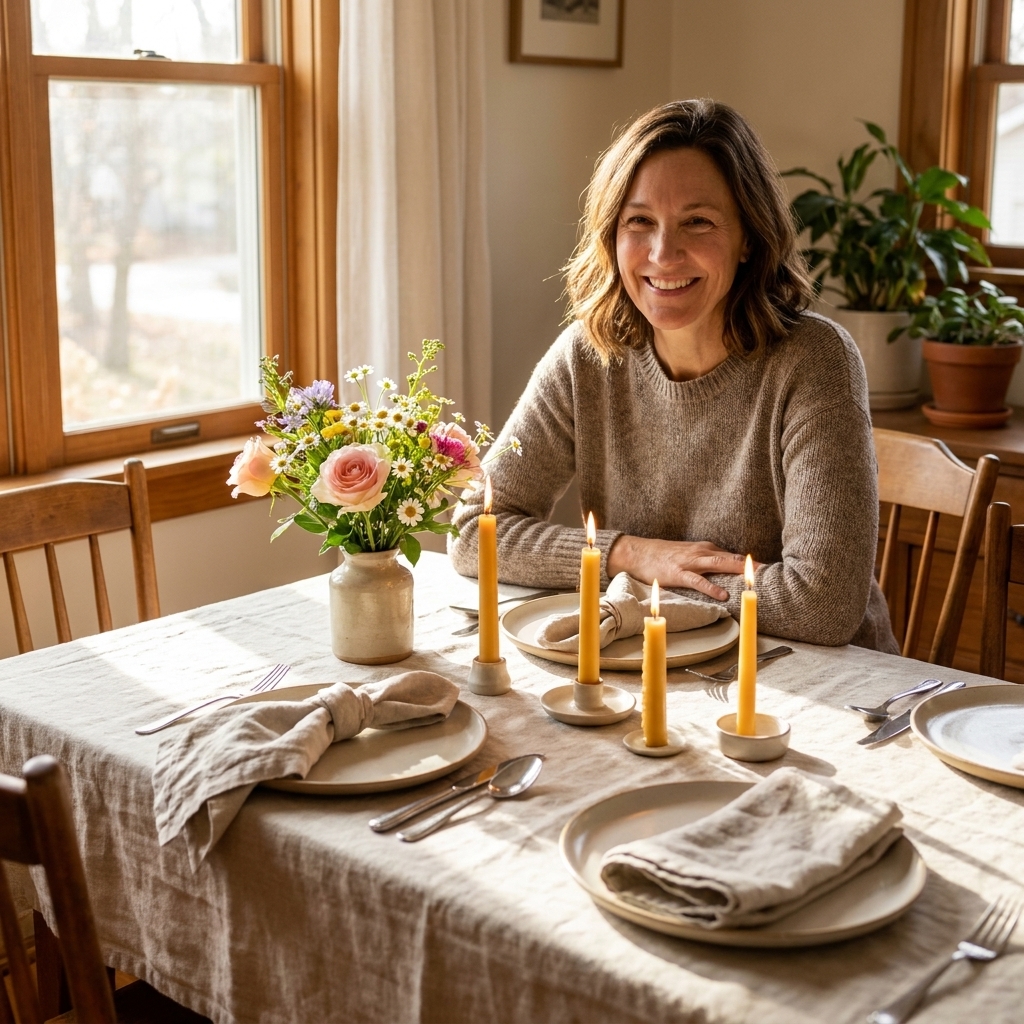
- Dinner at home: intimate and meaningful, especially for close family
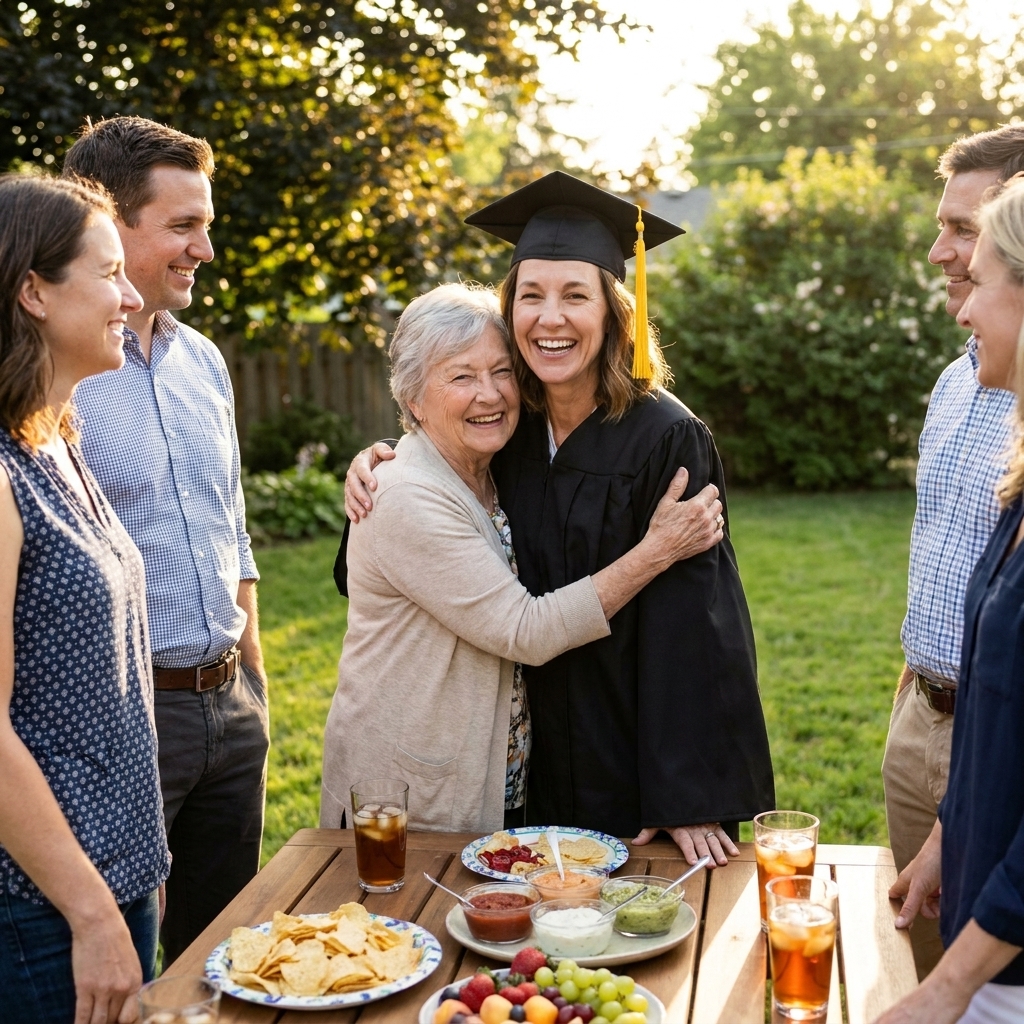
- Backyard open house: flexible arrival times, great for larger groups
- Restaurant toast: minimal setup, maximum focus on the milestone
- Potluck “welcome table”: guests bring a dish that represents “home” to them
My planning rule: if the naturalization ceremony is the same day, keep the party simple. People are often emotionally spent afterward, in the best way.
Guest list and invitations
Citizenship is personal, and privacy matters. Do not assume the guest of honor wants their immigration story shared widely. When in doubt, keep invitations warm and general.
Who to invite
- Close family, chosen family, and friends who supported the process
- Mentors, neighbors, or colleagues who genuinely showed up
- Kids are welcome if the tone is family-friendly and the timing is right
Invitation wording you can copy
Option 1: “Join us to celebrate [Name] and their exciting new chapter as a U.S. citizen. Come for a toast, a meal, and a whole lot of pride.”
Option 2: “We’re gathering to honor [Name] and the journey that brought them here. Drop in for food, photos, and a heartfelt celebration.”
Option 3 (post-ceremony): “After the ceremony, we’d love to celebrate together. Simple bites, sparkling drinks, and big feelings welcome.”
If guests may not know the details, you can add: “If you’d like to bring a card, a note of encouragement is the perfect gift.”
Patriotic, but personal
A citizenship party is not the Fourth of July. Think less “theme party,” more “honor and welcome.” A few thoughtful nods to the new country paired with genuine respect for the culture they bring creates the richest, most beautiful atmosphere.
Decor that feels elevated
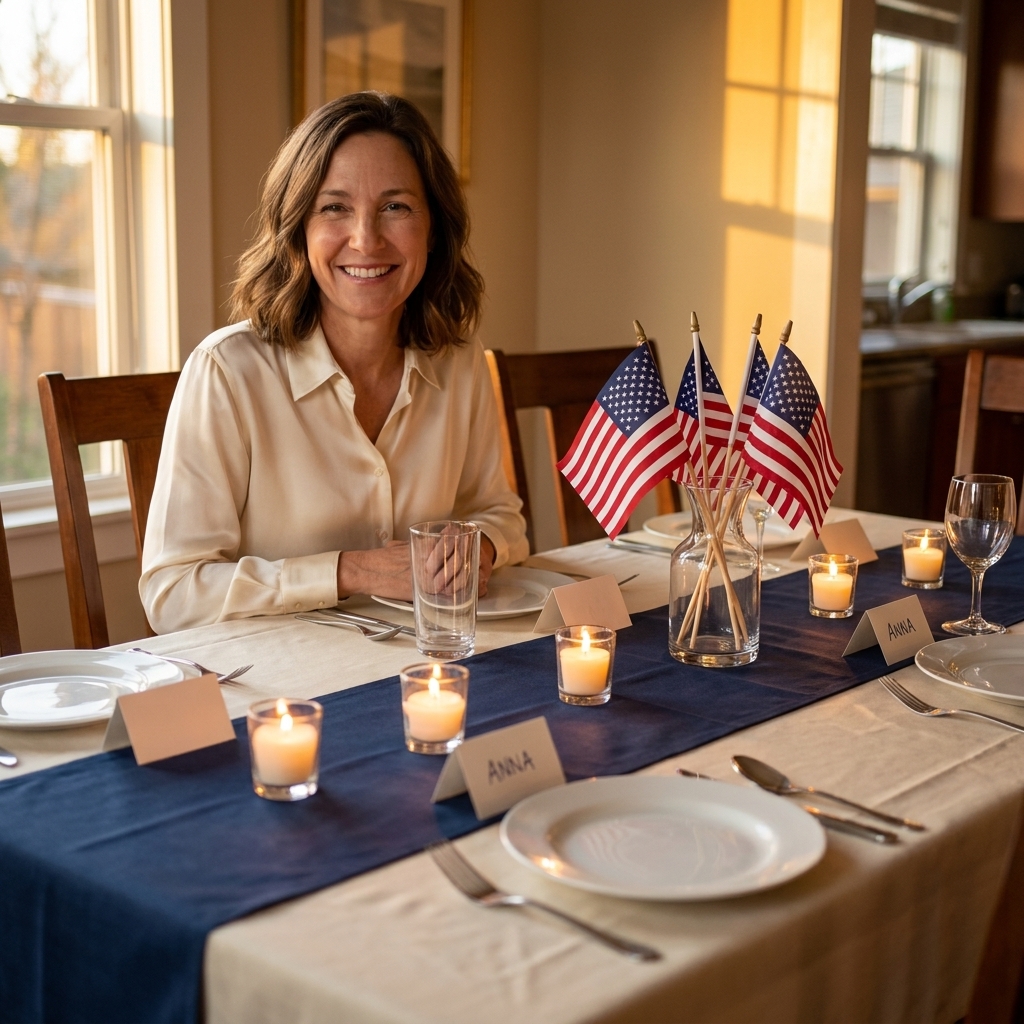
- Color palette: cream, soft navy, and muted reds with warm metallics
- Flags: small handheld flags in a vase or basket near the entry, not everywhere
- Florals: white blooms with greenery, or flowers that reflect their heritage
- Table details: vintage glassware, simple linen napkins, and place cards with one meaningful word like “Welcome,” “Home,” or “Belonging”
Build a menu that honors both homes
The most unforgettable citizenship parties I have planned always include food that tells the truth: where they came from and where they are now. You do not need an elaborate spread. You need a few anchor dishes that carry meaning.
A simple, meaningful menu formula
- One heritage favorite: the dish that tastes like their childhood or family gatherings
- One “new home” classic: a beloved American comfort food or regional favorite
- One shared crowd-pleaser: something everyone loves, like a big salad, roasted vegetables, or a build-your-own station
- One sweet finish: dessert with symbolism, even if it is store-bought and plated nicely
Menu ideas that work for almost any group
- Welcome brunch: bagels and smoked salmon, a heritage pastry, fruit salad, mini quiches, coffee and sparkling juice
- Taco bar meets family recipe: a taco station plus one cherished dish from their culture, with a big bowl of rice or salad
- “Two homes” dinner: roasted chicken or vegetarian main, heritage side dish, seasonal vegetables, and a simple cake
- Dessert table: apple pie bars next to a heritage sweet, both labeled on small cards
If you are unsure what is appropriate, ask the guest of honor: “What dish would make you feel most celebrated?” You will get a better answer than any Pinterest board can give.
One hosting note I always include: offer non-alcoholic options by default, not as an afterthought. It is a simple way to make more guests feel cared for.
Moments that make it memorable
You only need one or two planned moments. Any more, and it starts to feel like a program. Choose pieces that feel natural to your group.
1) A short toast (under two minutes)
Use this simple structure:
- We honor your journey.
- We are proud of your courage.
- We are grateful you are here.
- Welcome home.
2) A “notes of welcome” station
Set out cards and pens and invite guests to write one sentence: a memory, a hope, or a promise of support. Collect them in a keepsake box. This becomes a keepsake they will reread for years.
3) A photo moment that feels natural
Skip the heavy props. Instead, set up a simple corner with great light and a clean backdrop. A vase of flowers, a small flag, and a chair are plenty. Ask one friend to be the designated memory-catcher so the guest of honor is not managing their own moments.
If privacy is a concern, add a gentle line near the entry: “Please ask before posting.” It protects the guest of honor without making anything feel tense.
A practical planning timeline
If you love a checklist, you are my kind of person. Here is a no-stress timeline that works for most celebrations.
2 to 3 weeks before
- Confirm the date, time, and vibe with the guest of honor
- Choose your format and location
- Start the guest list and send invites
- Pick the one meaningful “moment” you will include (toast, notes station, photo table)
- Do a quick inclusion check: dietary needs, mobility access, language preferences
1 week before
- Finalize menu and assign potluck items if applicable
- Order cake or dessert, or choose a simple homemade option
- Plan seating, even loosely, if it is a sit-down meal
- Gather supplies: plates, napkins, cups, serving utensils, a few small flags
- Decide your posting plan: will you share photos online or keep it private?
2 days before
- Shop for groceries and beverages (include great non-alcoholic options)
- Prep what you can (chop vegetables, make dips, set out serving pieces)
- Create a small playlist that blends favorites from both cultures
- If needed, print a simple bilingual sign or menu card so everyone feels included
Day of
- Set up the welcome area and one focal point (table, buffet, or photo corner)
- Light a candle, put on music, and take a deep breath
- Do the toast early, before everyone scatters into conversations
Same-day ceremony tips
If your celebration happens right after the ceremony, plan for the day to run a little unpredictable. It often does.
- Build in buffer time: ceremonies can start late or run long
- Make parking easy: text guests a simple plan or recommend ride share
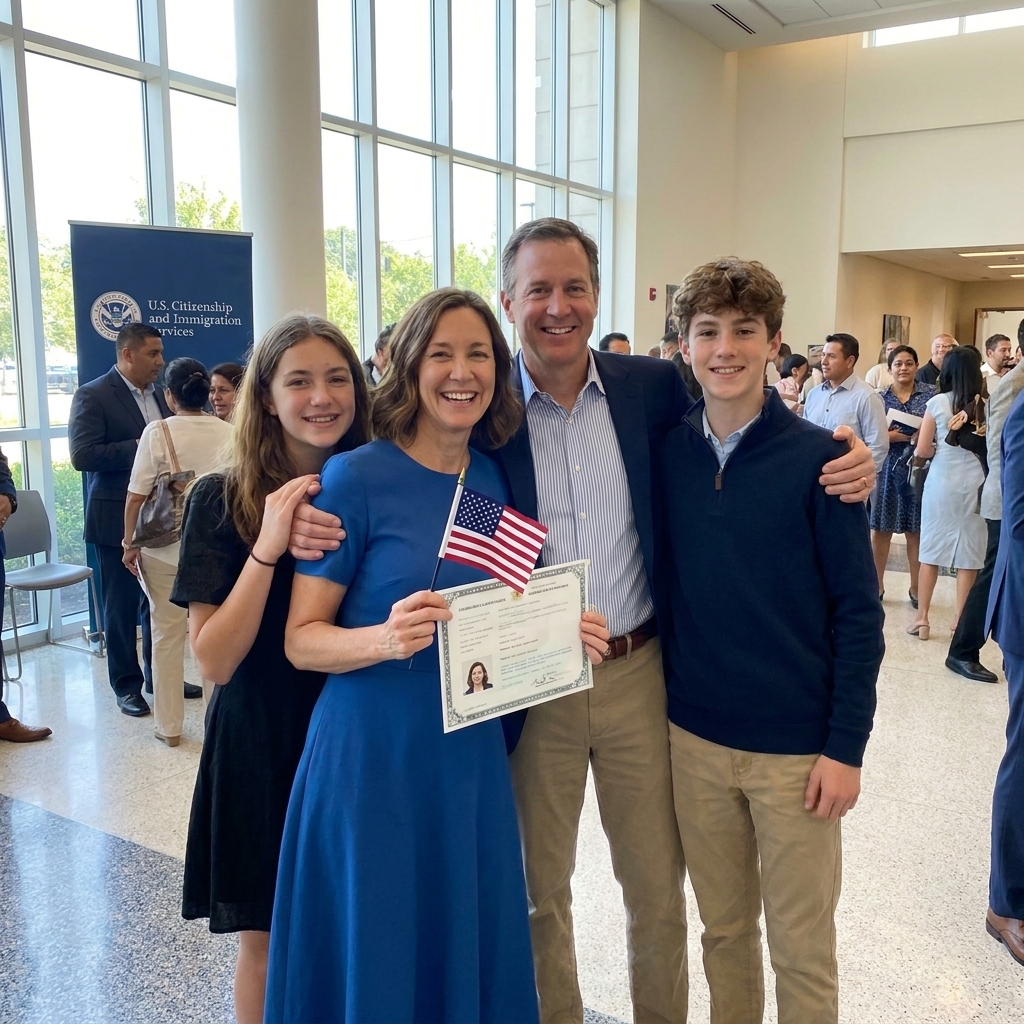
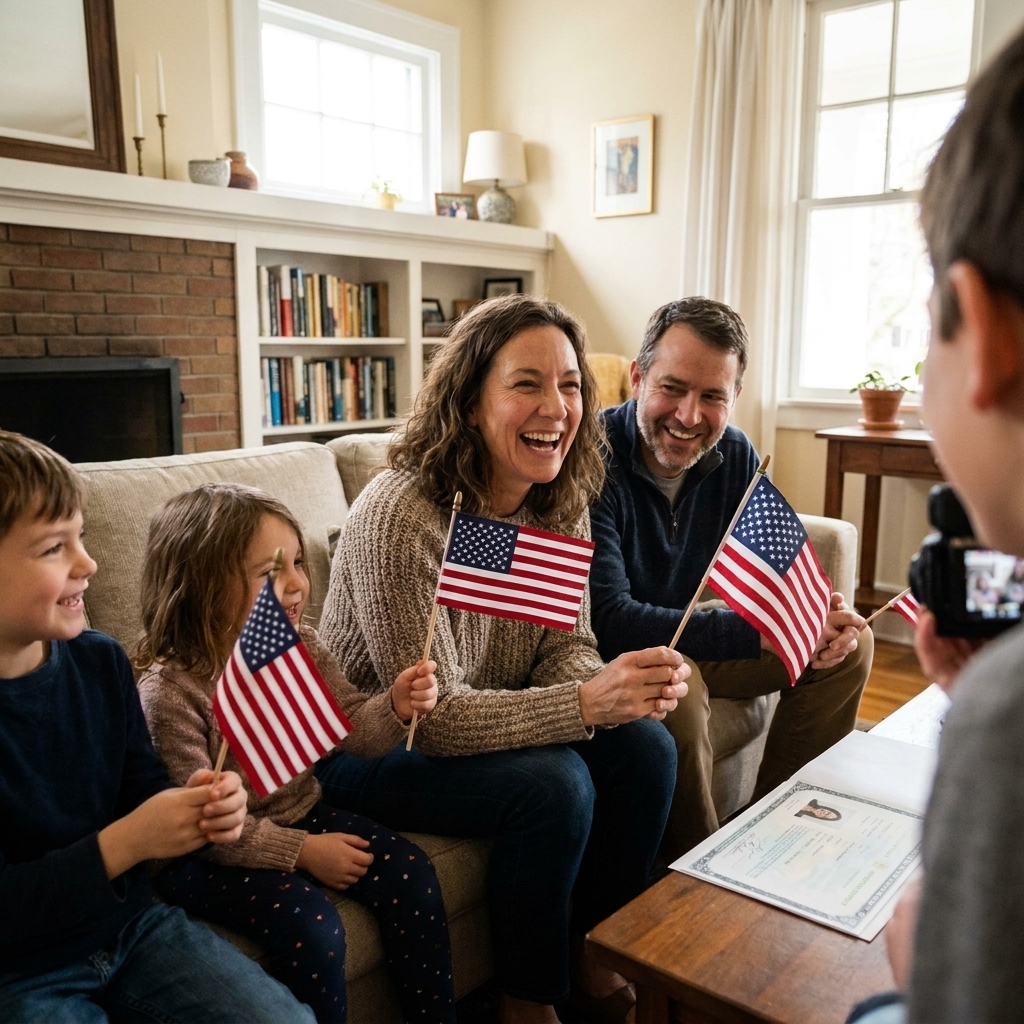
- Protect documents: designate one person to safely hold the Certificate of Naturalization and any paperwork during the meal
- Keep comfort first: water, snacks, and a quiet corner go a long way
And if you schedule the party for another day, that is not “less special.” It can be more relaxed, especially if the new citizen has administrative tasks ahead (like applying for a passport or updating records).
Thoughtful touches that cost little
- A printed timeline: a single page with 5 to 8 milestones, like “first day in the U.S.” or “interview day”
- A signature mocktail: name it after their hometown, a meaningful date, or a family nickname
- Library-style book stack: display a few books that reflect the journey, like cookbooks from their culture or a well-loved novel in their first language
- A simple favor: a small wrapped cookie, a tea sachet, or a handwritten thank-you card from the host
Family dynamics, handled kindly
Milestones can bring out big feelings. If there are complicated relationships, plan for comfort and dignity.
- Use “soft structure”: an open house or buffet reduces seating tension
- Assign allies: ask two friends to help greet guests and keep the atmosphere warm
- Keep speeches limited: one toast is often enough
- Protect the guest of honor: if someone starts probing into details, redirect with kindness: “Today is about celebrating. Let’s save the interview stories for another time.”
Gifts and cards
Gifts are not required. If people ask, steer them toward something meaningful rather than expensive.
Great gift ideas
- A framed photo from the day, or a simple frame for displaying their Certificate of Naturalization
- A journal and a note: “For your next chapter”
- A small flag folded in a display case (if they would appreciate it)
- A cookbook that reflects their heritage or their new region
- A heartfelt letter, which is truly the best gift
If you are gifting a frame, keep it gentle and practical: do not laminate the certificate, and consider a frame that will not damage it. Many families prefer to store the original securely and display a copy.
One gentle note: avoid anything that jokes about immigration or stereotypes, even if you think it is “funny.” This is sacred ground for many families.
FAQ
Is it okay to host something before the ceremony?
Yes, as long as you frame it as support and encouragement. You can call it a “good luck dinner” or “we’re cheering you on” gathering. Since citizenship is not official until the oath is administered, keep the language warm and hopeful rather than congratulatory.
Should we use a lot of American flag decor?
A little goes a long way. A few small flags and a thoughtful color palette read as celebratory without turning the party into a holiday theme.
What if the guest of honor hates attention?
Choose a cozy format, keep the toast short, and focus on shared conversation. A notes station or a memory table honors them without putting them on a stage.
What do we celebrate if they have dual citizenship?
Celebrate belonging, community, and expanded identity. Include elements from both countries and use language like “honoring your journey” and “welcoming this new chapter.”
A final note from me
If you take nothing else from this: make it warm. Make it safe. Make it true. Citizenship is a legal milestone, but it is also a love story between a person and a place, and the people who stood beside them.
Light a candle, feed people well, say the brave things out loud, and let the evening be imperfect in all the human ways that matter.