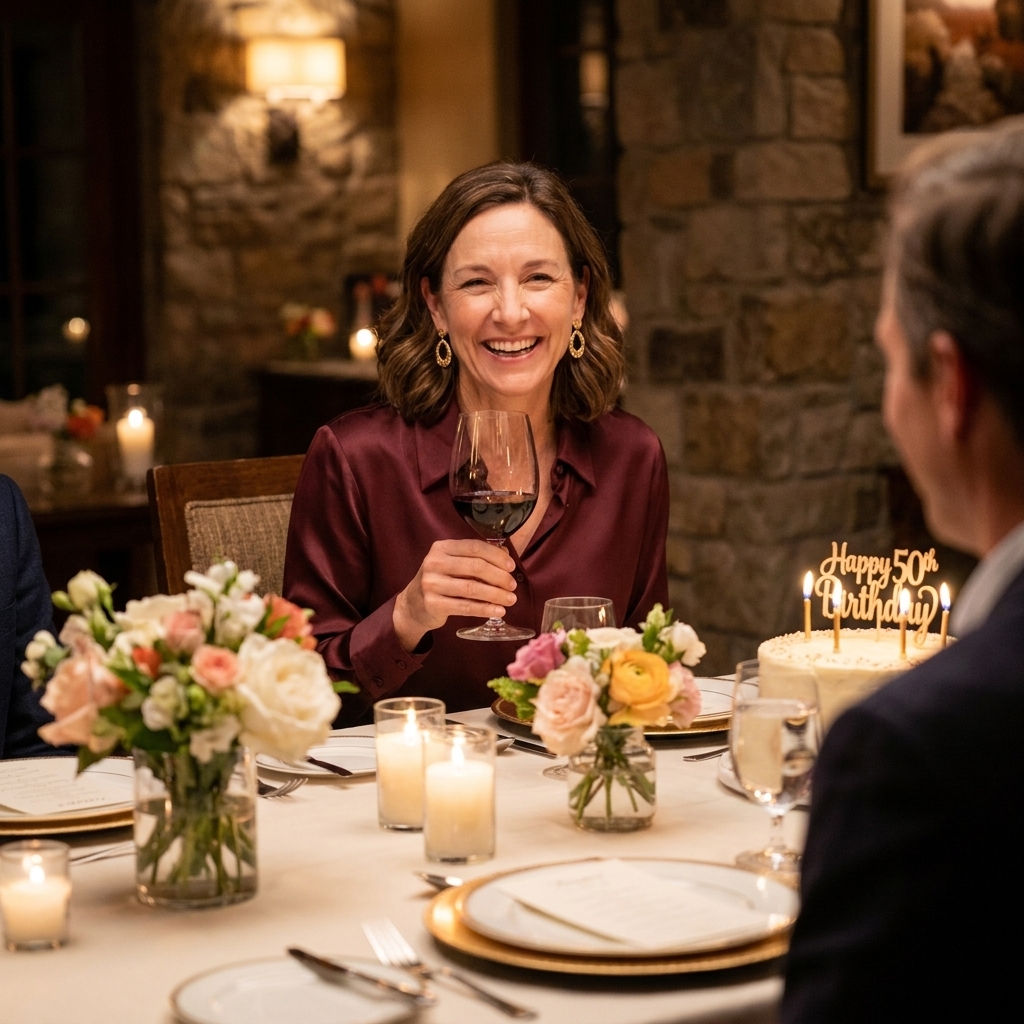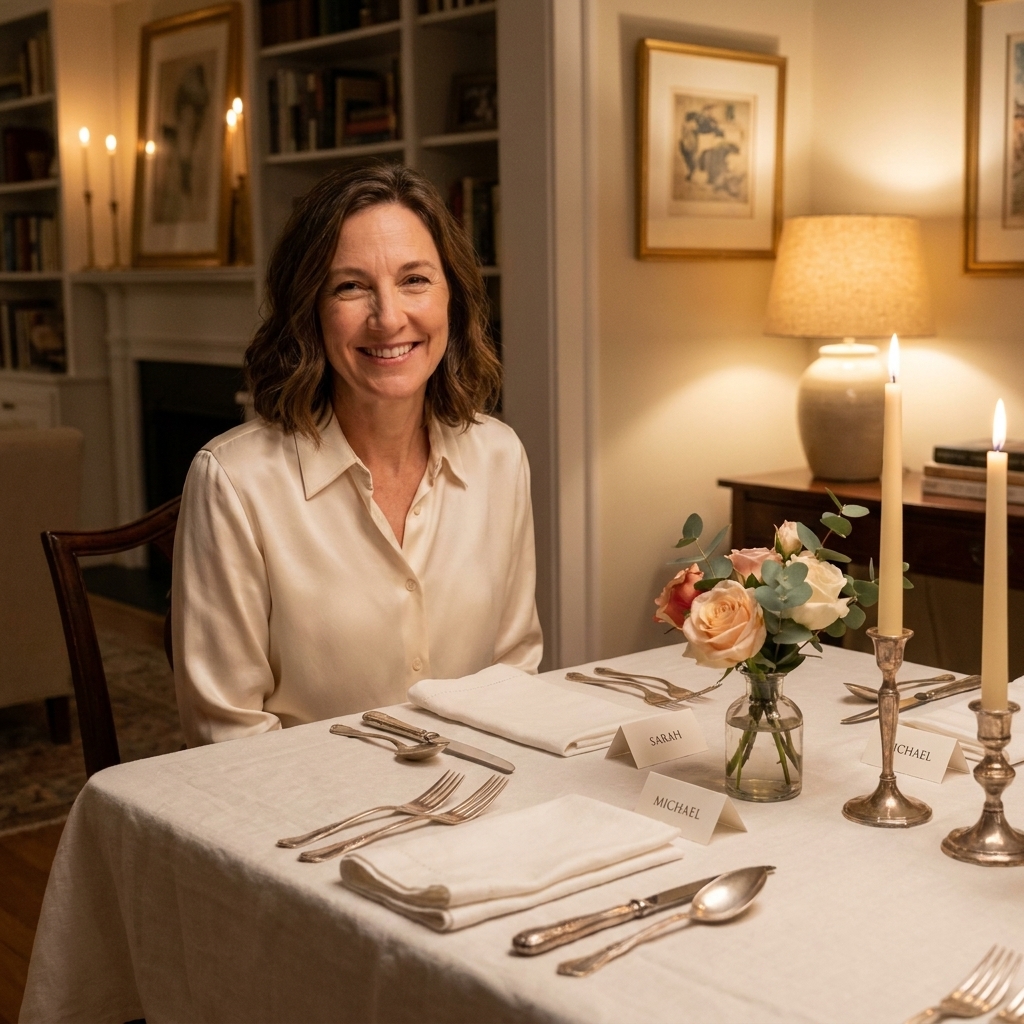
Thirty is one of those birthdays that quietly asks for intention. Not necessarily a huge production, but a moment that says, we see you. A surprise party can do that beautifully, as long as you treat the secret like a living thing that needs a little care. That care looks like one clear plan, one clear story, and one clear place for updates so nobody “helpfully” improvises.
Below is my event-planner timeline for a truly smooth surprise 30th, complete with decoy strategies, venue tips, and the little details that keep everyone calm and the guest of honor genuinely surprised.
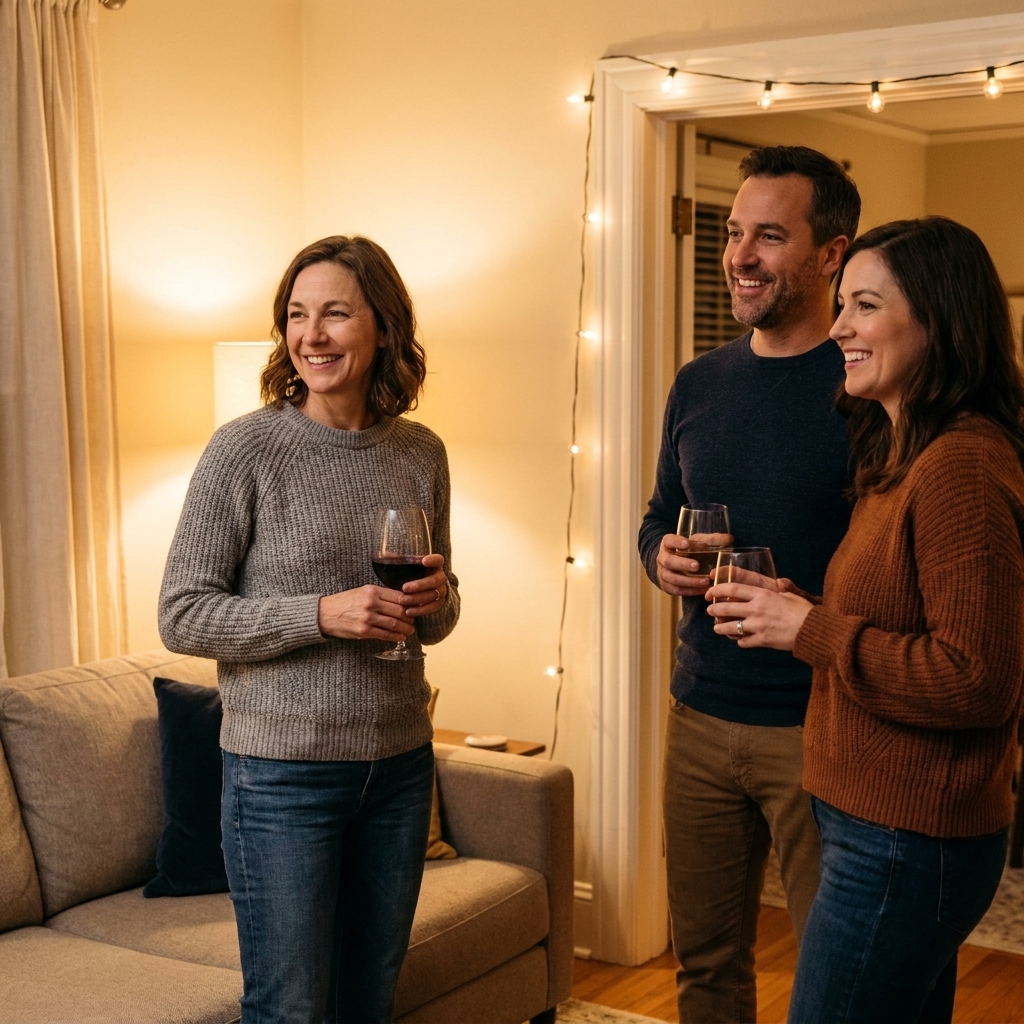
Start here: three decisions
1) Choose the surprise style
Not all surprises are the same. Pick the one that fits their personality and your group’s logistics.
- Classic “Surprise!” at home: Cozy, budget-friendly, easiest to control.
- Dinner reservation surprise: Feels grown-up, minimal setup, perfect for smaller groups.
- Activity-based surprise: Bowling, cooking class, karaoke, escape room. Great for guests who hate being the center of attention while standing still.
- Open house surprise: Guests arrive in waves so it feels social, not spotlight-y.
2) Make sure a surprise is actually welcome
Some people love surprises. Some people don’t, and some people feel anxious when they’re “walked into” a big moment. If you’re not 100 percent sure, check with a partner, sibling, or best friend. You can always do a semi-surprise: they know when you’re celebrating, but not the who and how.
3) Pick your core team
Surprises work best when one person is clearly in charge, with a tiny circle of helpers. In planning terms, this is your inner ring.
- Planner (you): the only person tracking the full plan.
- Decoy Captain: the person who’ll be physically with the guest of honor before arrival.
- Venue Lead: whoever can access the space early and coordinate setup.
- Photo Friend: the one who actually remembers to take photos without turning it into a photoshoot.
4) Set a budget with two lines: fixed and flexible
Write two numbers:
- Fixed: venue, food minimums, cake, activity tickets, bartender.
- Flexible: décor, favors, upgraded dessert, late-night snacks.
When stress hits, you’ll be grateful to know what you can trim without affecting the experience. If you want a simple cost reset: do BYOB, keep décor minimal, and make it snack-forward instead of full-meal formal.
Timeline (6 weeks to day-of)
6 weeks out: date, time, cover story
- Choose a date window when the guest of honor is least likely to book something else. If they’re a planner, consider the weekend before or after the actual birthday.
- Pick the arrival moment and build everything around it. Example: Surprise happens at 7:30 pm sharp. Guests arrive at 6:45 pm.
- Decide the decoy event (more below) and draft a short, believable narrative you can repeat consistently.
Pro tip: The cover story should be simple enough that guests can repeat it without improvising. Improvising is how secrets leak.
4 to 5 weeks out: guest list and invites
- Get the guest list from one trusted source (partner, sibling, best friend) so you don’t need to ask the birthday person “innocent questions.”
- Send invites via text or email and label it clearly as a surprise.
- Add two rules to every invite:
- No posting on social media, including “subtle” stories.
- Arrive on time, or you might miss the reveal and tip them off.
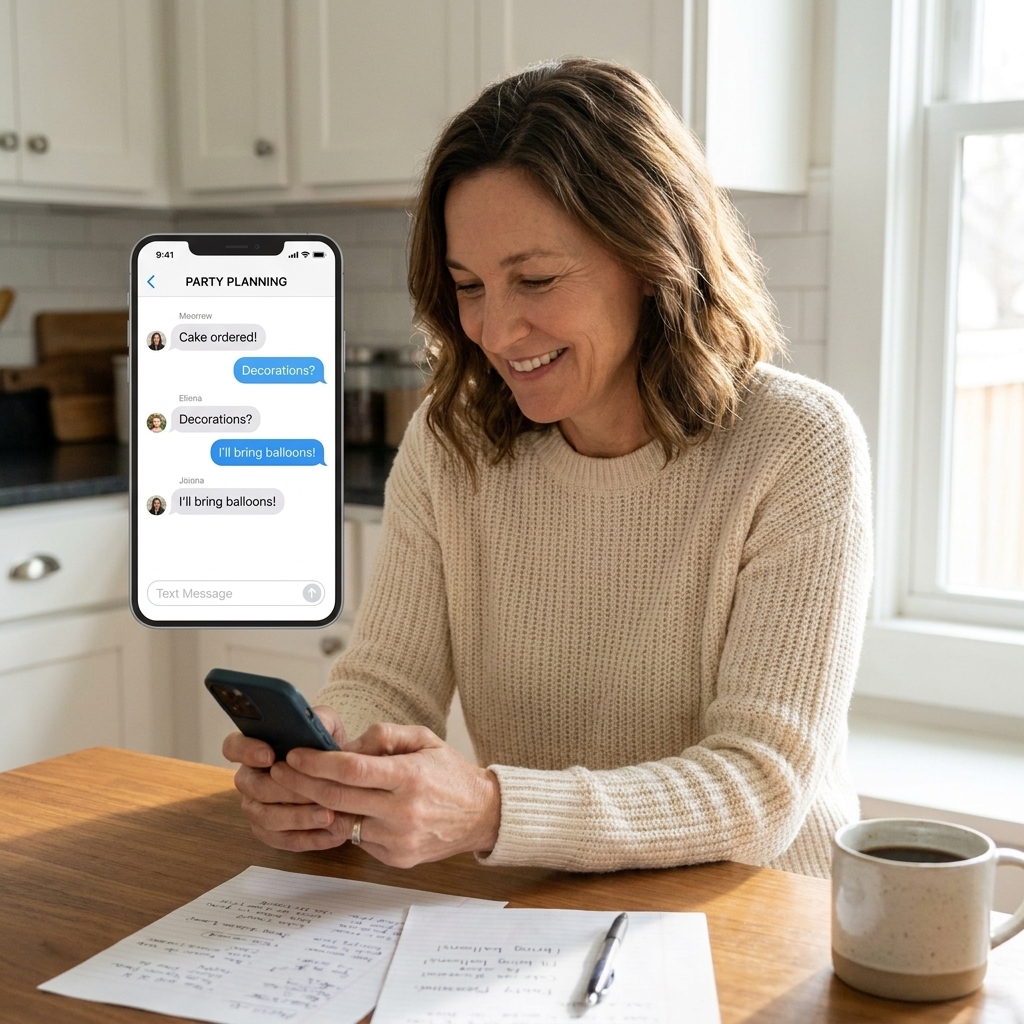
- Create one group chat for updates, then mute it for yourself if notifications stress you out. You can still run it like a pro.
3 to 4 weeks out: venue and layout
Your goal is a space with a clean reveal path. You want the guest of honor to enter in a predictable way, with guests already positioned.
Venue tips that protect the surprise
- Private room restaurants: Ask for a back entrance or a host-led route so the birthday person doesn’t pass the entire party on the way in.
- Home parties: Use a garage, backyard, or neighbor’s house for guests to gather if the guest of honor returns early.
- Rented spaces: Confirm when you can access the venue and whether staff can help with timing.
Ask venues these exact questions:
- “Can we enter 60 to 90 minutes before guests arrive?”
- “Can staff seat the guest of honor last?”
- “Can we dim lights or cue music for the moment they walk in?”
- “Where can we store gifts discreetly?”
If they say no to any of this, don’t panic. You can usually solve it with a slightly earlier guest arrival, a different entry route, or a plan where guests wait out of sight until you get the text that they’re two minutes away.
2 to 3 weeks out: menu, cake, signature touch
For a 30th, I love a menu that feels elevated but still easy. Think: one signature cocktail, one signature mocktail, and a comfort-forward appetizer spread.
- Food: Keep it mostly grab-and-go. The more “served” your menu, the more timing pressure you create.
- Cake: Choose a design that travels well. Buttercream on a hot day is a heartbreak you don’t need.
- Signature touch: Pick one meaningful detail that says “this is you.” Examples: a playlist of their high school favorites, a photo display of “30 moments,” or a toast where guests share one-sentence memories.
10 to 14 days out: headcount and decoy rehearsal
- Confirm RSVPs and remind people that timing matters for a surprise.
- Assign arrival windows if the venue has limited parking or a narrow entry.
- Walk through the decoy plan with your Decoy Captain. You’re not overthinking it. You’re preventing panic.
7 days out: checklist week
- Create a day-of run sheet (a simple timeline, down to 15-minute increments).
- Confirm vendor times: food delivery, balloons, photographer.
- Prepare a parking and entry text for guests with clear instructions.
- Do a quick accessibility sweep: dietary restrictions, mobility needs (stairs, bathrooms), sensory considerations (volume, lighting), and whether anyone needs childcare timing.
- Buy the boring essentials: tape, scissors, lighter, phone charger, disposable wet wipes, stain remover pen.
48 hours out: calm, quiet prep
- Charge speakers, cameras, and portable lights.
- Pre-chill beverages and prep the ice plan.
- Pack everything into labeled bins: Decor, Table, Bar, Emergency.
- Send the final guest reminder: time, address, secrecy, and what to do if they arrive early.
Morning of: protect your energy
This is my favorite planning rule: connection is always more important than perfection. If the balloons are slightly uneven but the room is full of people who love them, you did it.
- Eat something.
- Wear shoes you can move in.
- Review the run sheet once, then stop obsessing.
Decoy strategies that work
The decoy isn’t a lie for the sake of lying. It’s gentle misdirection so the guest of honor can arrive relaxed and happy, not suspicious and scanning.
Option 1: birthday dinner for two
Why it works: It feels intimate and believable, and it sets the expectation that the evening is already “the plan.”
- Book a real reservation.
- Have the Decoy Captain dress appropriately so it feels consistent.
- Build in a quick stop that explains why they’re arriving at the party location. Example: “My friend asked us to swing by to pick something up.”
Option 2: low-key drinks with one or two friends
Why it works: It lowers suspicion and allows flexible timing.
- Use a bar near the venue or host home.
- Plan a natural departure line: “Let’s head to the next place.”
Option 3: help me with something
Why it works: People love being needed, and it explains unusual routes.
- Keep it small: returning something, picking up a gift, dropping off food.
- Never make the guest of honor carry big items. It’s a birthday, not a moving day.
Option 4: family dinner (use with care)
Why it works: It’s believable. Why it fails: it often triggers suspicion if family dynamics are complicated.
If the guest of honor has a history of tense family gatherings, choose a different decoy. A surprise should feel safe, not emotionally loaded.
My decoy rule: If the cover story would stress them out, it’s not a good cover story.
Venue setup
Home party layout
- Staging zone: Have guests gather in the living room or backyard, lights low, music off or very soft.
- Buffer person: Put one calm friend near the entry to quietly direct late arrivals.
- Reveal point: Clear a 6- to 8-foot path from the door so the guest of honor can step in without tripping over shoes, gifts, or pets.
Restaurant or bar layout
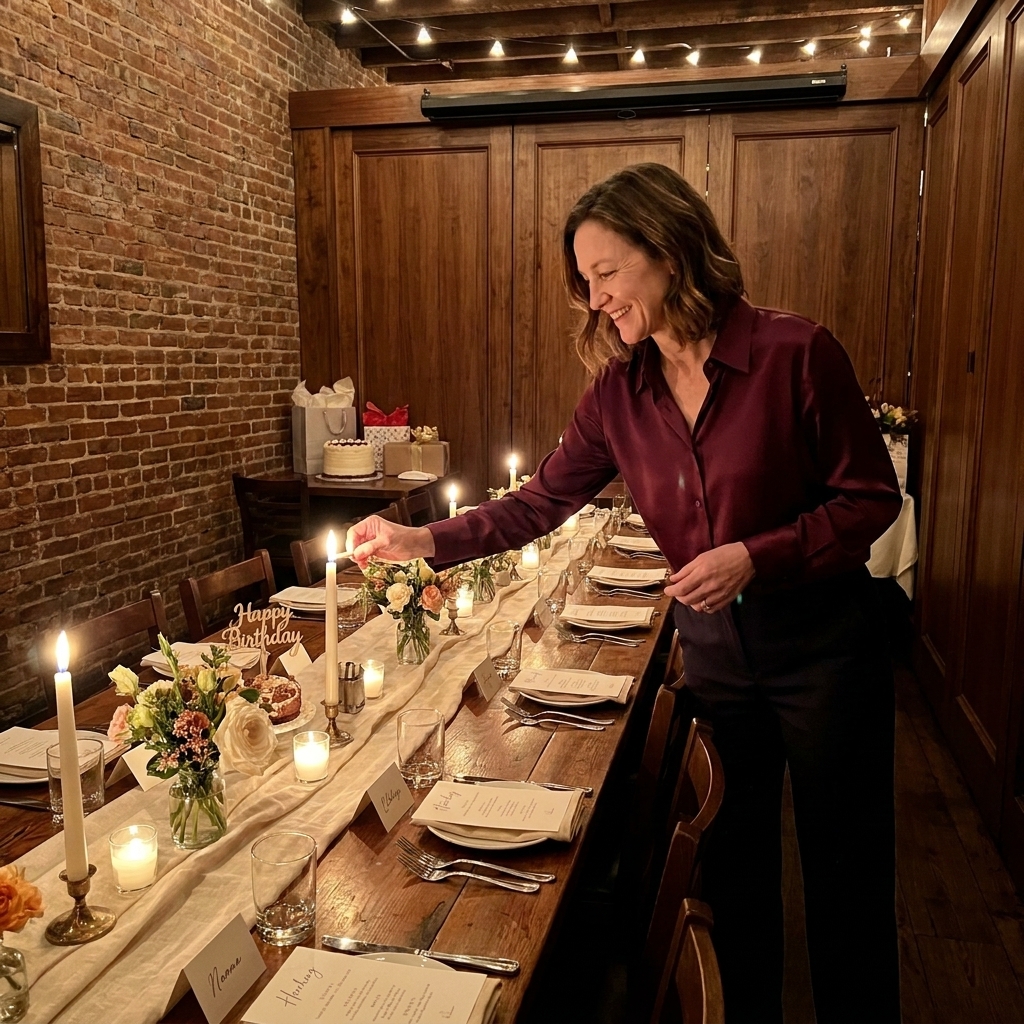
- Seat placement: Put guests facing the entrance, with space for the birthday person to walk in.
- Sound: Ask staff to keep music steady until the moment, then let your group do the rest.
- Check-in: One person should greet guests and guide them to the right room so no one wanders into the main dining area and tips off the surprise.
Keeping the secret
Rule 1: no social posting, not even close friends
Ask guests to silence story habits for one day. A single tagged location can undo weeks of planning.
Rule 2: one communication channel
Use one group chat or email thread. Multiple side conversations create conflicting details, and conflicting details create suspicion.
Rule 3: early arrival really matters
In my experience, telling guests to arrive 45 minutes before the planned entrance gives you the buffer you’ll want. If your group runs late, consider building in 60 to 75 minutes and calling it “please don’t make this the one time you’re casual about timing.”
Rule 4: if someone can’t keep a secret, they don’t get specifics
This is especially useful with well-meaning family members who over-explain. Share the time and place, not the decoy details.
Day-of run sheet (copy and paste)
Adjust times to fit your plan. The structure is what matters.
- T-4 hours: Venue access begins. Set tables, chill drinks, confirm restroom supplies, hide gifts.
- T-3 hours: Decor goes up. Music playlist queued. Lighting tested.
- T-2 hours: Food setup begins (or confirm delivery window). Put out anything that can sit safely, and keep perishable items chilled until close to serving.
- T-90 minutes: Final sweep. Trash bags placed. Extra ice ready.
- T-60 minutes: Guests begin arriving. Assign someone to greet and whisper: “Phone on silent. Stand over here.”
- T-20 minutes: Text guests: “Quiet time starts now.” Dim lights if needed.
- T-10 minutes: Decoy Captain confirms location and ETA. Everyone goes to positions.
- T-0: Surprise moment. Let it be messy and joyful.
- T+10 minutes: First drink served, first hug finished, take a quick group photo before people scatter.
Quick food safety note: As a general rule, don’t leave perishable foods sitting out for more than 2 hours (less if it’s very hot). When in doubt, keep it chilled, serve in smaller batches, and refresh.
If things go sideways
If the guest of honor arrives early
- Have a Neighbor Plan: guests wait at a nearby home or in cars, lights off at your place.
- Use the Decoy Captain to stall: a quick errand, a wrong turn, or a parking issue.
If guests are late
- In many cases, you can delay the entrance by 10 to 20 minutes without raising suspicion.
- If it’s more than that, proceed. A surprise with 80 percent of guests is still a surprise. Keeping the guest of honor calm matters more.
If someone spills the secret
Shift the goal from surprise to warmth. Keep the details hidden so the reveal still feels special: the people, the room, the toast, the photos. A lot of birthdays are “suspected surprises” and still deeply moving.
If family dynamics flare
Plan a small reset moment: a toast, a game, or dessert served sooner. Structured moments gently redirect attention.
Meaningful 30th touches
- A short audio message: Ask 5 to 8 loved ones to send a 10-second voice note. Play them back-to-back before cake.
- Memory cards: Put small cards at each place setting: “My favorite thing about you is…” Collect them in a keepsake box.
- Photo timeline: A handful of framed prints from childhood to now. Keep it curated, not overwhelming.
- Late-night comfort snack: Pizza slices, bagels, or cookies and milk. It’s charming and practical.
Photo tip: Have your Photo Friend stand facing the entry, a few feet behind the guest of honor’s likely stopping point, so they catch the reaction without blocking the moment. Afterward, ask before tagging or posting anyone.
Quick FAQ
How many people is best?
For most adults, 12 to 30 guests is a sweet spot: big enough to feel celebratory, small enough to feel personal. If they’re more introverted, aim smaller and choose an activity-based surprise.
What time should guests arrive?
I usually plan for guests to arrive 45 to 60 minutes before the guest of honor. If your group is reliably late, build more buffer so you’re not sweating in the dark, whispering at people to hurry.
Is it rude to ask people not to post online?
Not at all. It’s thoughtful. You’re protecting someone’s moment. Just ask kindly and clearly, and repeat it once on the day-of.
Do I need party favors?
No. If you want something, make it edible or practical: a cookie, a mini candle, a matchbook-style pack of mints. The best favor is a good photo shared later.
A final note
The goal of a surprise 30th isn’t to execute a perfect script. It’s to give someone the rare gift of walking into a room and realizing they’re loved on purpose. If you keep the plan simple, the communication clear, and the vibe warm, the surprise will feel flawless even if the frosting smudges and the playlist shuffles at the wrong time.
And honestly, those are usually the parts everyone remembers.